REVIEW · SPLIT
Controversies behind Split and Croatia-Anthropologist guide
Book on Viator →Bookable on Viator
Split has an argument under every doorway. This 2-hour anthropological walk uses Split’s landmarks to explain real local controversies, especially around Diocletian’s Palace. I like that it focuses on people and identity, not just pretty buildings, and I also like the way guide Marin uses maps and visuals on his iPad to make the history make sense.
One thing to plan for: it’s a walking tour and you’ll often be standing to listen. Add warm weather and it can feel like a lot—so good shoes and some patience help, especially since the tour works best in good weather.
In This Review
- Key things to know before you go
- Split’s controversies, explained like a real city argument
- Price and logistics you should actually care about
- Getting oriented: where you meet and how the walk flows
- Diocletian’s Palace: when a landmark becomes a controversy
- The promenade where public life happens: Obala Hrvatskog narodnog preporoda
- Venetian square and Ottoman-era memory: Trg Braće Radić
- Narodni trg: walking over remains and uncomfortable stories
- Šperun ulica: a popular tourist area with a deeper backstory
- Trg Franje Tuđmana: naming a square after a president
- Matejuška finish: the view and the modern takeaway
- Why Marin’s style can change the whole experience
- Is it worth $35 for a Split walking tour?
- Who should book this, and who might skip it
- Should you book the Split controversies and anthropology tour?
- FAQ
- How long is the Split center anthropology tour?
- What is the price per person?
- Is the tour offered in English?
- How big is the group?
- Where do we meet and where does it end?
- Do I get a mobile ticket?
- Are any admission tickets included?
- Does the tour run in poor weather?
- What’s the cancellation flexibility?
- Is it suitable for most people?
Key things to know before you go
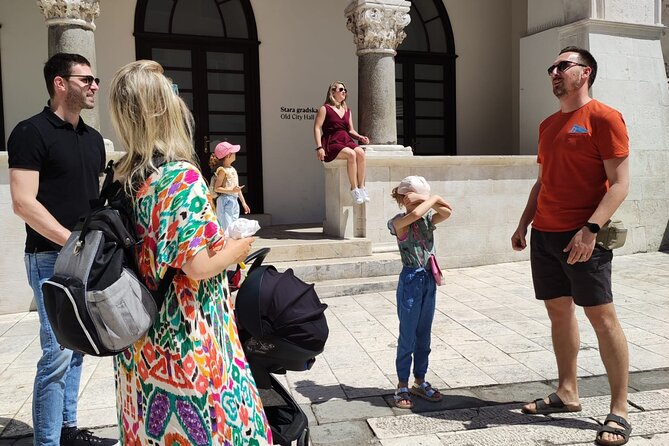
- A small group (max 12) keeps the pace human and gives you room for questions.
- Marin’s iPad maps and visuals make the story clearer than the usual facts-on-a-signs tour.
- Diocletian’s Palace gets treated as a living controversy, not just a site to admire.
- You’ll hear how Ottoman-era memories and modern politics still shape identity in Split.
- Narodni trg is described as a spot above older human remains, with stories that feel uncomfortable in a good way.
- The tour ends at Matejuška for a classic view of Split plus a final look at the modern city.
Split’s controversies, explained like a real city argument
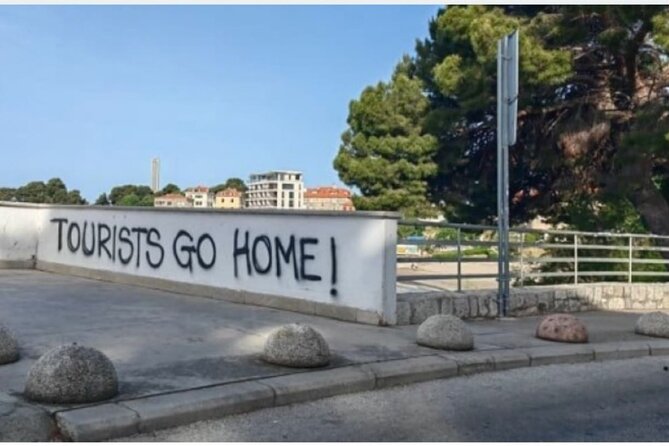
This isn’t a standard walk where you get dates and photos. It’s more like learning how a city thinks. In Split, stone changes hands, stories get rewritten, and communities argue about what the past means today. That’s the core idea of this anthropology-shaped tour: the “history” isn’t locked in the past. It’s used, challenged, and argued over in the present.
What makes it genuinely useful is the way the guide ties place to identity. You’re not just shown where something happened; you learn how locals interpret that moment and how the interpretation affects today’s politics and local mindset. That approach makes Split feel less like a museum and more like a living conversation.
And yes, the city center is compact enough that you can follow it on foot. In practice, that means you get context fast—without spending your whole day on transport.
You can also read our reviews of more guided tours in Split



Price and logistics you should actually care about
The cost is $35 per person for about 2 hours, offered in English. You also get a mobile ticket, and the group is limited to 12 people—a key detail for this style of tour. When you’re walking through emotionally loaded topics, the ability to ask a question without shouting matters.
The value is helped by the ticket structure. Admission tickets are included at the first stop (Palazzo di Diocleziano) and at the end (Matejuška). The other stops are free. So you’re not paying extra again and again while you’re already out in the city.
Practical tip: plan for a fair amount of standing and looking around. One past group noted standing while listening can get tiring. Bring water, wear shoes that don’t punish your feet, and don’t overpack your day. If you’re the type who likes to move your body between stops, this tour still works, but you’ll want breaks in your schedule.
Getting oriented: where you meet and how the walk flows
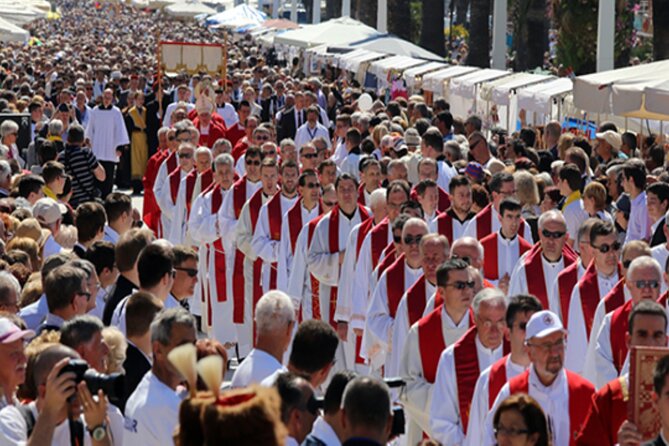
You start at Ul. kralja Tomislava 12, 21000 Split and finish at Trumbićeva obala 2, 21000 Split. The path is designed to cover major center points efficiently, which is great if your time is limited.
The pacing is built around short stop lengths: most segments run around 10 to 15 minutes, with one longer stop for the palace. That structure keeps the tour from turning into a long lecture. It also helps you keep your bearings—after a couple of turns, you can start connecting what you’re hearing to what you’re seeing.
Also, confirmation happens at booking time, and the tour allows service animals. It’s near public transportation, which helps if you want an easy pre- or post-tour meal plan.
Diocletian’s Palace: when a landmark becomes a controversy
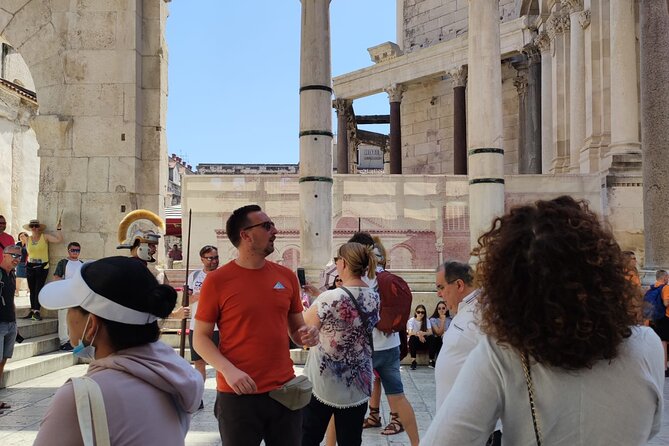
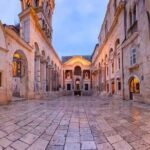
Your first big stop is the Diocletian complex, around 35 minutes with an admission ticket included. This is where the tour’s anthropology lens is most obvious.
Instead of treating the palace like a finished product—an object to admire—you’re encouraged to see it as a contested space. The guide explains how the palace has fascinated locals so much that it became a topic of debate in different historical periods. In other words: this isn’t only about Roman walls. It’s about who gets to interpret them and why.
If you care about the politics of memory—how communities decide which past matters—this stop is the reason to book. You’ll come away with a clearer sense of why locals might look at the same stone ruins and feel different things about them.
One caution: the topic can get heavy. If you prefer a strictly neutral, postcard-style explanation, this may feel too opinion-and-identity focused. But if you want the city’s arguments—why they exist and how they persist—you’ll likely find this part satisfying.
The promenade where public life happens: Obala Hrvatskog narodnog preporoda
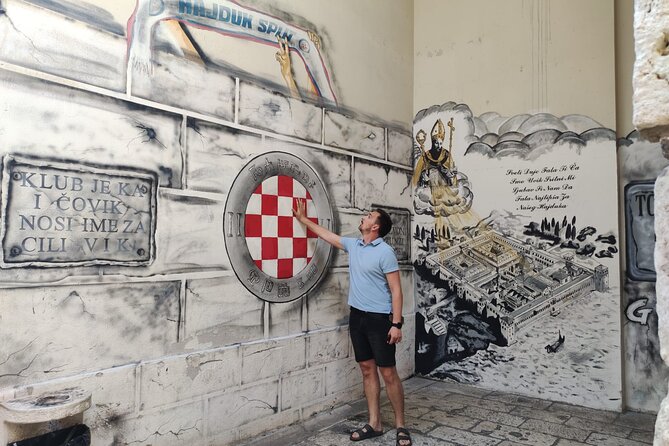
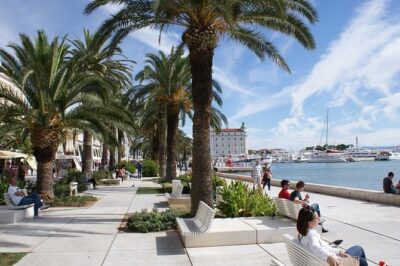
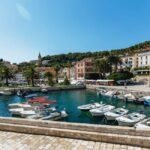
Next up is Obala Hrvatskog narodnog preporoda, the waterfront promenade where public life plays out and where important historical events took place. This stop works like a reset. You move from monumental walls into daily-city space.
Here, the tour’s method matters. The promenade isn’t just described as scenic. It’s treated as a stage—where events, crowds, and social energy shaped outcomes. You’ll understand the city’s relationship with the sea more clearly, and you’ll connect “history” to ordinary movement: walking, meeting, gathering, noticing.
Timing is short at about 15 minutes, so it’s not a long linger. Still, it’s useful because it sets up the next stops in the same way a good guide sets scene in a story.



Venetian square and Ottoman-era memory: Trg Braće Radić
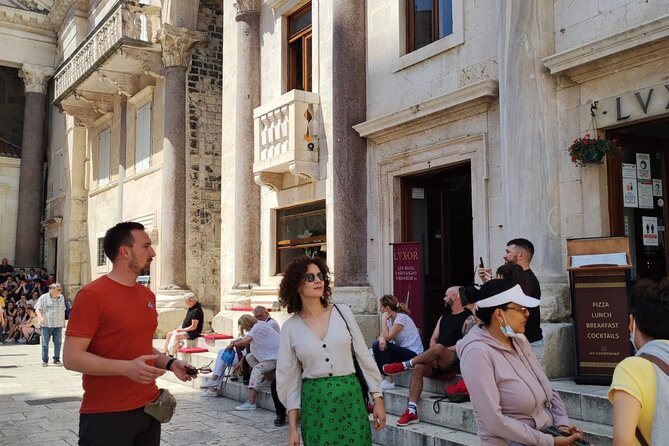
Then you reach Trg Braće Radić, described as an old Venetian square and framed as the setting for turbulent times when Split stood near the frontier fighting the Ottomans. What I like about how this part is handled is the shift from events to perception.
The point isn’t only what happened. It’s how that period is perceived nowadays, and why those memories still shape politics and local identity. That’s the tour’s through-line: the past as an active ingredient in modern life.
Because this is only around 15 minutes, the guide can’t cover everything. But the structure gives you a meaningful way to read the city. You start noticing how buildings and squares can act like anchors for group memory.
Narodni trg: walking over remains and uncomfortable stories
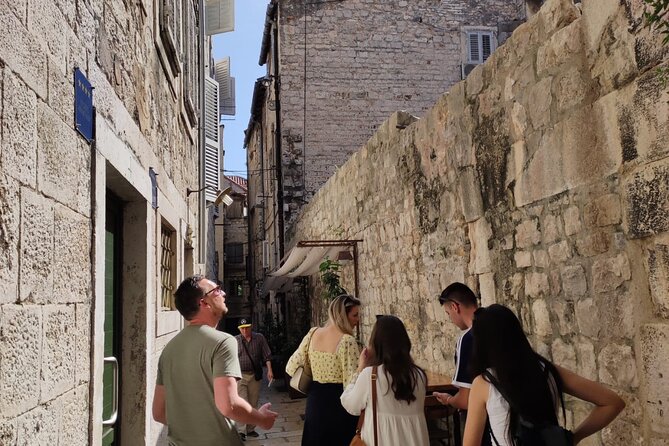
At Narodni trg, you’ll walk over a place where older human remains exist below your feet, because the location was once an ancient graveyard. This stop is about 15 minutes and it’s one of the more emotionally jarring segments—again, in a good way if you like honest context.
This is where the tour feels different from the usual “look at the architecture” approach. It pushes you to think about layers: the city keeps building, and people keep interpreting what lies underneath.
The guide also connects later events at this location, including infamous ones. That combination makes the area feel alive rather than tidy. You’ll likely leave with that sense that Split’s center is layered in more ways than one—time, purpose, and meaning.
Šperun ulica: a popular tourist area with a deeper backstory
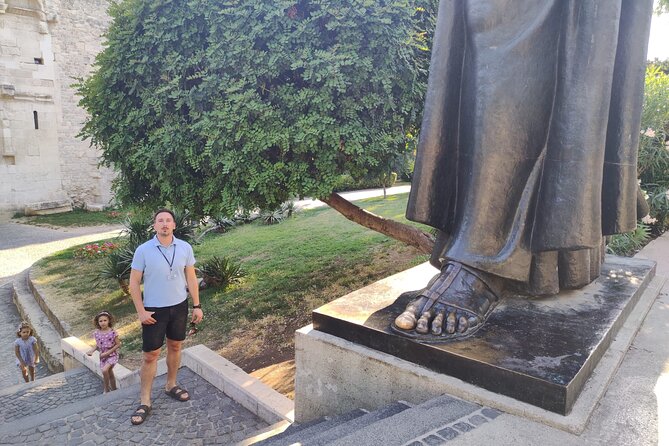
Next comes Šperun ulica, a neighborhood location that’s well known for visitors, but where the story behind it may not be obvious at first glance. It’s about 15 minutes.
This is one of my favorite kinds of stops: the “you’re here already, but you didn’t fully see it” moment. The guide uses the neighborhood to talk about the people and patterns that shaped it, so it becomes less of a set of streets and more of a living community story.
If you’ve ever felt that some parts of Split look familiar because they’re full of signs and souvenir energy, this segment helps you reconnect with the actual town logic underneath.
Trg Franje Tuđmana: naming a square after a president
Trg Franje Tuđmana is named after Croatia’s first president. The tour uses that naming as a doorway into the turbulent end of the 20th century—plus how issues from that era still divide Croatian society.
This stop is about 15 minutes, and it’s a reminder that politics isn’t only in parliament. It’s in street names. It’s in how public spaces get dedicated. And it’s in how people argue about what those dedications mean.
If you’re visiting with an interest in how modern Croatia formed, this is a helpful moment. It turns a square name into a short, understandable thread connecting the past to present tensions.
Matejuška finish: the view and the modern takeaway
You end at Matejuška, spending about 10 minutes there with an admission ticket included. This finish matters because the tour closes with a famous viewpoint over Split—so you get a visual payoff.
But it’s not only about the view. The guide uses this location for final words and insight into modern Split. That means you leave with two things at once: the big photo of the city and a sense of how the city explains itself now.
If you like walking away with a mental map—what areas mean, what stories connect—you’ll appreciate the way the tour frames this ending. It feels like the moment where all the earlier debates start clicking into place.
Why Marin’s style can change the whole experience
The guide matters a lot in a tour like this, where the subject isn’t just monuments but identity and interpretation. Marin has a track record of doing the preparation work. You can feel it in how he stays organized and answers questions without dodging.
One of the strongest signals from past participants: he uses humor and visuals to keep the tone moving, and he’s open to questions. People also noted he tries to find shade when conditions call for it. That kind of practical care is not a small thing. In Split’s heat, it turns the experience from tiring to manageable.
Another detail worth highlighting: Marin is described as strong on geography. That helps. When you understand how places relate to each other in the region, the stories feel more grounded.
Is it worth $35 for a Split walking tour?
For $35 you’re buying three things: time (about 2 hours), access to context (the anthropology framing and controversial themes), and group size (max 12).
If all you wanted was a relaxed stroll with the usual highlights, you’d have cheaper options. But if you want the city’s “why” behind the walls—how locals interpret Diocletian’s legacy, how Ottoman-era memory gets reused, and why late-20th-century divisions still matter—then the price feels fair.
The included admissions at the first and last stops also help. Two included ticket moments in a walking format is a sensible value equation.
My honest take: this is worth it when your goal is understanding Split as a society, not only seeing Split as a postcard.
Who should book this, and who might skip it
Book it if you:
- like history explained through people and identity
- want context about modern Croatia, not just ancient ruins
- enjoy a guide who answers questions and uses visuals
- prefer small groups for a more personal pace
Consider skipping (or pairing with a lighter day) if you:
- hate topics that can feel politically or emotionally charged
- get worn out by standing to listen in warm weather
- prefer purely neutral, “no interpretation” explanations
Also, this is offered in English and most people can participate. If you have mobility constraints, the walking nature and standing time would be the main factor to think about.
Should you book the Split controversies and anthropology tour?
If you’re spending only a short time in Split and you want to understand why the city feels argumentative in the best way, this is a smart pick. The small-group format, English delivery, and Marin’s iPad-mapped approach make the difference between a walk you forget and a walk that sticks.
You’ll get a structured path through the city center—from Diocletian’s Palace into squares tied to Ottoman-era memory, graveyard layers, neighborhood stories, and even a square named after a modern president. Then you land at Matejuška for the view and the modern wrap-up.
My call: book it if you want meaning, not just sights.
FAQ
How long is the Split center anthropology tour?
It lasts about 2 hours.
What is the price per person?
The price is $35.00 per person.
Is the tour offered in English?
Yes, it’s offered in English.
How big is the group?
The tour has a maximum of 12 travelers.
Where do we meet and where does it end?
You meet at Ul. kralja Tomislava 12, 21000 Split, and you end at Trumbićeva obala 2, 21000 Split.
Do I get a mobile ticket?
Yes. A mobile ticket is provided.
Are any admission tickets included?
Admission tickets are included at the Diocletian Palace stop and at the Matejuška stop. Other stops listed are free.
Does the tour run in poor weather?
The tour requires good weather. If it’s canceled due to poor weather, you’ll be offered another date or a full refund.
What’s the cancellation flexibility?
You can cancel for a full refund up to 24 hours in advance. If you cancel less than 24 hours before the start time, the amount paid is not refunded.
Is it suitable for most people?
Most people can participate, and service animals are allowed.