REVIEW · SPLIT
Small-Group Communist Tour of Split – Boutique group tour
Book on Viator →Operated by Pomalo tours · Bookable on Viator
Communism left real fingerprints on Split. This themed small-group tour strings together WWII fallout, Tito-era planning, and the architecture people still walk past.
I like two things most: learning from Boris, a local historian and history teacher guide, and getting private, air-conditioned transport that keeps the route realistic in one half-day.
The main catch is simple: the focus is politics and social systems, not classic postcard sightseeing, so you’ll want the theme to match your mood.
In This Review
- Key points before you go
- Communism in Split: how this 3.5-hour format works
- Meeting at Trg Franje Tuđmana: the WWII setup you need
- Poljud Stadium and the China Wall: sports plus socialist engineering
- Koteks shopping center: how Yugoslavia sold modern life
- Split 3 neighborhood walk: housing policy you can actually see
- Krstarica at Kopilica station: where the story turns to violence
- What’s included (and why the soda matters)
- Price and value: is $108.14 worth it?
- Logistics that affect your day more than you think
- Who should book this Communist tour of Split
- Should you book Pomalo tours for this theme?
- FAQ
- What time does the tour start?
- Where do I meet the guide?
- How long is the tour?
- What language is the tour offered in?
- How large is the group?
- What is included in the price?
- What if I need to cancel?
Key points before you go
- Max 8 people keeps the pace more personal and the questions easier
- English-led tour with a historian/history teacher guide
- Private vehicle links dispersed sites so you’re not racing Split on foot
- Stop-by-stop context ties buildings to daily life under Yugoslav communism
- Soda/pop is included, a small taste of communist-era consumer culture
- 3.5 hours is long enough for meaning, short enough to fit a busy day
Communism in Split: how this 3.5-hour format works
This is not a “walk the old town and point at walls” tour. It’s built as a short narrative ride through Split’s Communist past, with WWII context first, then Yugoslavia’s built environment, and finally the messy end of the 1990s.
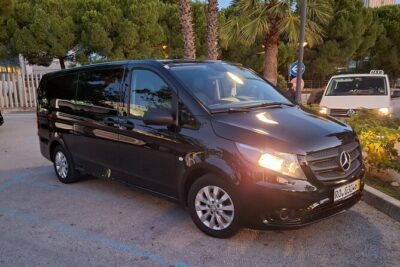
Because the story is spread across multiple locations, the private vehicle matters. You’re seeing sites that don’t sit next to each other, and the air-conditioned ride helps keep you comfortable for a half-day commitment.
The tour also signals what it is early on: you meet at Trg Franje Tuđmana, get the WWII setup, and then the stops connect back to how a new state formed and how daily life was reshaped.
You can also read our reviews of more tours and experiences in Split.
Meeting at Trg Franje Tuđmana: the WWII setup you need
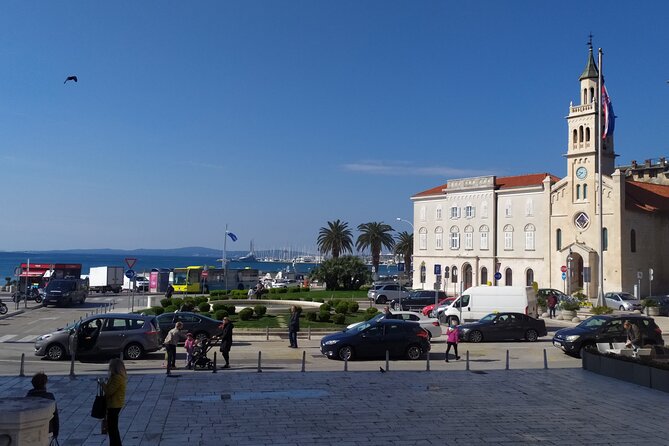
You start at the bus stop near Autobusno stajalište Sv. Frane on Trg Franje Tuđmana. The session begins with an introduction to what the Communist tour of Split will cover, and then it zooms out to the big WWII happenings in Split and Yugoslavia.
One practical reason this opener helps: it gives you the political timeline behind the places you’ll later walk around. Without that frame, Yugoslav-era structures can feel like architecture without stakes. With it, you start reading them as decisions made by a state, plus compromises made by ordinary people.
You’ll also see pictures of damage in Split during the war, which is a heavy visual anchor for what comes next. If you prefer a tour that stays light, this isn’t that. If you’re after context, it’s exactly what you want to hear first.
Poljud Stadium and the China Wall: sports plus socialist engineering
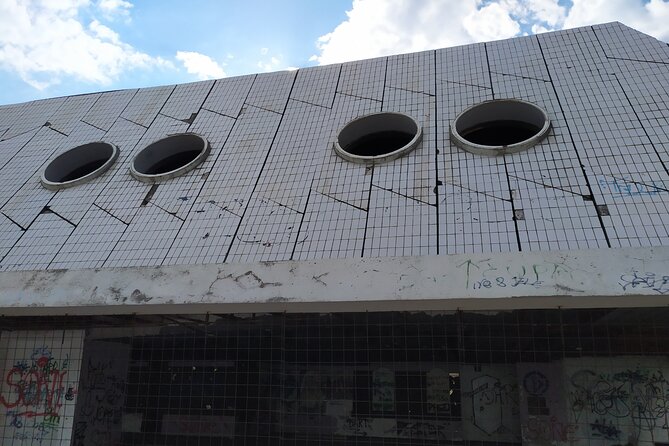
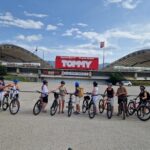
Stop two is a panoramic break focused on Poljud Stadium. The story here is about how a new Yugoslavia wanted to announce itself through big public events and ambitious building. Poljud was built to host the Mediterranean Games, and it quickly became a symbol of the era’s confidence.
What I find useful is how this stop connects architecture to reputation. Poljud Stadium was reportedly shown as part of a Yugoslavia architecture exhibition at MoMA in New York, which helps explain why the building is more than local hype.
Then the tour shifts to another long, design-forward landmark in the same area: the widest existing building in Split, nicknamed the China Wall. It’s presented as part of Yugoslav socialist architecture, and that matters because it changes how you see everyday structures. This isn’t just monumental design; it’s mass housing and mass-scale urban thinking.
A drawback to note: this stop is short (around 10 minutes). You’ll get the main story, but if you love taking photos for long stretches, you may want to save extra time afterward.
Koteks shopping center: how Yugoslavia sold modern life
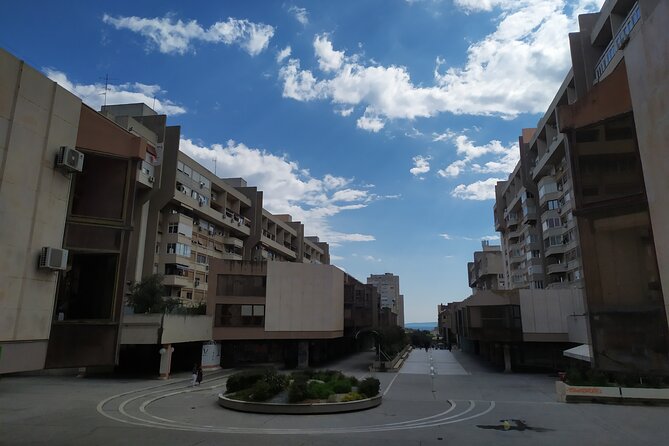
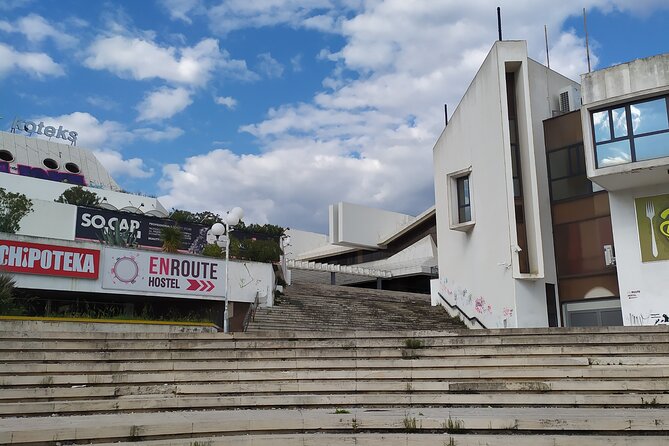
Next comes Prodajni centar Koteks, described as the first shopping mall concept in Yugoslavia. On paper, it sounds like a straightforward sightseeing stop. In practice, it becomes a lesson in economics, supply, and what people could actually get.
You’ll walk around and hear how the mall represented a modern idea of shopping in a Communist state. The tour also explains its short popularity and later decay, which is where the story gets real. Instead of pretending the system worked smoothly, it points out that the consumer dream had limits.
This stop also addresses the “in-between” position Yugoslavia lived in: consumer life between an open West and a closed East. You’re taught that people often had to be creative to supply different types of goods, because availability wasn’t as simple as it looks on a building directory.
If you like history that connects to everyday behavior, this is one of the best stops. It turns architecture into a question: who could buy what, and why?
Split 3 neighborhood walk: housing policy you can actually see
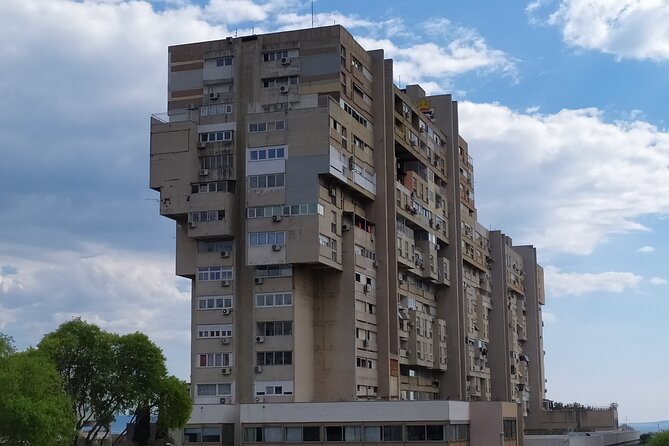
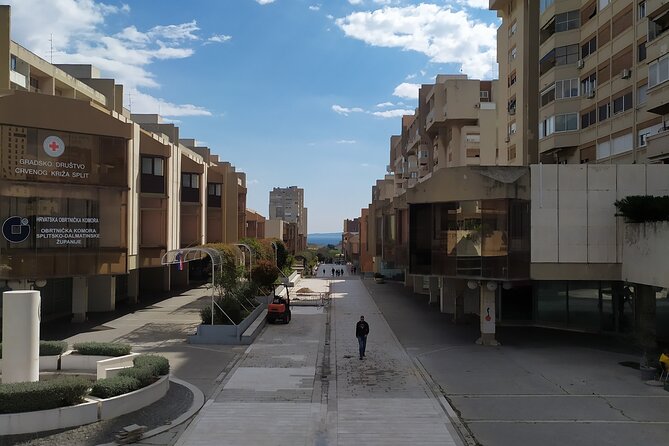
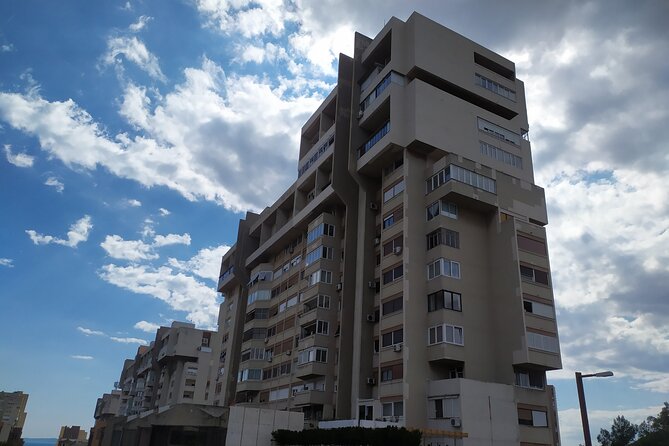
Stop four is the heart of the tour. You spend about 1 hour 10 minutes in Split 3, a modern neighborhood created during the Communist era for quality living, working, and resting. The tour frames it as a high-quality planned project, and it’s also described as internationally recognized for planned modern neighborhoods.
This is where the guide’s teaching style really matters. You’re walking around and checking different architecture styles from local architects, with specific signature buildings mentioned, including one called Cruiser. The buildings aren’t just described; they’re used as examples while the tour explains how the system aimed to shape daily life.
You’ll hear about:
- housing policy
- the educational system
- the health system
- economy
- social life
- politics, with emphasis on the dictatorship of Tito
I like that the tour uses places to explain systems. It’s one thing to read about governance. It’s another to see how a neighborhood layout supports social planning. Even if you don’t agree with the politics, you’ll understand why these designs were attractive to planners at the time.
One more detail that gives this stop extra weight: Split 3 is described as one of the top exhibits in a MoMA in New York presentation of Yugoslavia architecture. That international recognition helps you see these buildings as more than local curiosities.

Krstarica at Kopilica station: where the story turns to violence
The final stop is Split Predgrađe, tied to Kopilica railway station. This is where the tone shifts from building systems to asking what went wrong.
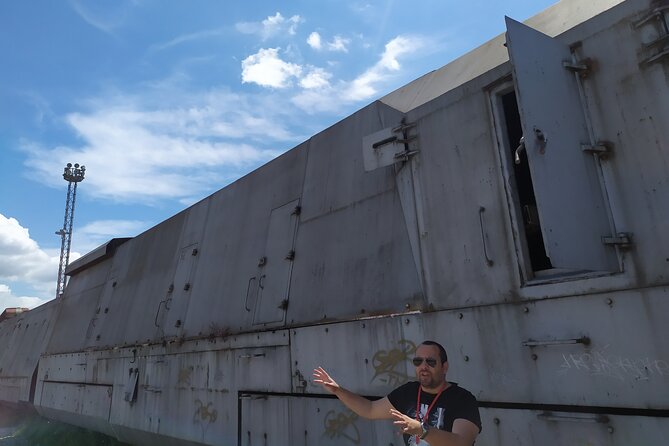
You’ll hear reasons Yugoslavia did not manage to survive, and why the end in the 1990s became violent, leading to a bloody war. The tour uses an important visual symbol: an armored train displayed on the railway.
The armored train is explained as a symbol for the start of the violent end of Yugoslavia. That’s not just symbolism-for-show; the tour connects it to consequences that changed relations between nations and religions across Southeast Europe.
This stop is around 30 minutes, which feels right. You get enough time to absorb the meaning of the object without dragging the emotions too long. Still, it’s the most intense part of the itinerary, so consider it when you plan the rest of your day.
What’s included (and why the soda matters)
The included extra is small but memorable: a typical soft local drink (soda/pop) that was popular in communist Yugoslavia and is popular today. It’s an easy touch, not a meal replacement, but it adds a human layer.
It also subtly reinforces one theme of the tour: the history isn’t only about state documents and buildings. It’s also about what people drank, what they tried to buy, and how everyday life worked in practice.
Everything else is practical rather than “extras”: private transportation and an air-conditioned vehicle are doing the heavy lifting for comfort and route efficiency.
Price and value: is $108.14 worth it?
At $108.14 per person for about 3 hours 30 minutes, the value question comes down to three things: group size, transportation, and depth of interpretation.
First, the group limit is maximum 8 travelers. That smaller number can make a thematic tour feel less like a lecture and more like a conversation you can steer with questions.
Second, you’re not just sightseeing on foot. The tour uses a private vehicle, which is a real cost driver and a real convenience. Split’s best architecture and most meaningful sites for a Communist-era story don’t all sit in one tight loop, so the car saves time and energy.
Third, the guide role matters. You’re led by a local historian and history teacher guide (Boris), and the itinerary is structured like a lesson plan: WWII setup, architectural symbols, consumer life, neighborhood policy, and then the endgame at an armored train site.
If you’re the kind of traveler who likes your travel with context—why places were built, how systems shaped daily life—this price feels more fair. If you mainly want panoramic city views and short stops for photos, you may feel like you’re paying for interpretation more than scenery.
Logistics that affect your day more than you think
This tour is offered in English, and it uses a mobile ticket. You start at 9:00 am and the day stays compact enough to combine with other plans later, as long as you don’t schedule something that requires you to rush out the door right after.
It’s also listed as requiring good weather. If the skies turn, it’s worth having a flexible mindset, since the experience can be rescheduled or refunded if it’s canceled due to poor weather.
One more practical point: the meeting spot is near public transportation, which helps if you’re already moving around Split by bus or walking between areas.
Who should book this Communist tour of Split
This tour fits best if you:
- want socialist architecture to mean something beyond style
- enjoy learning from a guide who teaches like a history teacher (Boris’s role)
- like structured stories with clear stops instead of a free-form wander
- are curious about Yugoslavia’s “in-between” life—open West versus closed East
It may feel less satisfying if you:
- want a classic “Top 10 Split sights” checklist day
- dislike political themes or heavy historical framing
- prefer very long free-time wandering at each location
Should you book Pomalo tours for this theme?
If your trip to Split includes at least one day where you want to understand how the city was shaped by WWII and Yugoslav communism, I think this is a smart pick. The combination of small group size, private transport, and an interpretive guide means you’ll spend your limited time with more meaning per stop.
I’d book it if you like architecture tied to real life, and if the idea of Poljud, the China Wall, Koteks, Split 3, and the armored train sounds like a story you want to follow in order. If that theme doesn’t match your curiosity, you might be happier with a more traditional old-town route.
Either way, it’s the kind of tour that changes how you look at Split’s buildings after you leave. And that’s the point.
FAQ
What time does the tour start?
The tour starts at 9:00 am.
Where do I meet the guide?
You meet at Autobusno stajalište Sv. Frane, Trg Franje Tuđmana, 21000 Split, Croatia.
How long is the tour?
It runs for about 3 hours 30 minutes.
What language is the tour offered in?
The tour is offered in English.
How large is the group?
The tour has a maximum of 8 travelers.
What is included in the price?
It includes a soda/pop (a soft local drink) plus air-conditioned private transportation.
What if I need to cancel?
Free cancellation is available. You can cancel up to 24 hours in advance for a full refund, and cancellations within 24 hours of the start time are not refunded. If the tour is canceled due to poor weather, you’ll be offered another date or a full refund.