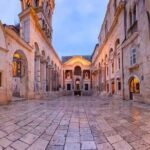
Night stories in Split turn alleys into evidence.
This 90-minute Dark Tour of Split uses the city’s own stone to tell the darker, stranger sides of life here, from Diocletian’s Palace to Old Split and the Riva Harbor promenade.
I especially like the guide storytelling, often credited as Dasen/Dusen, which keeps things factual but still fun.
I also like the practical pace and the small group size (max 10), which makes it easier to look closely as you walk.
One thing to think about: the tour requires good weather, so if it’s canceled for rain or poor conditions, you’ll need to adjust.
In This Review
- Key points to know before you go
- Why a dark-themed Split walk is actually a good plan
- Diocletian’s Palace: where the stones do most of the talking
- Old Split on the west side: narrower streets, sharper stories
- Riva Harbor at night: sea air and a calmer ending
- Route logic, timing, and what that means for you
- The guide style is the real value here
- Price and value: what $34.24 buys you in Split
- Who should book the Dark Tour of Split
- A few practical tips before you go
- Should you book the Dark Tour of Split?
- FAQ
- FAQ
- How long is the Dark Tour of Split?
- How much does the Dark Tour of Split cost?
- Is the tour offered in English?
- Where do I meet the guide?
- Where does the tour end?
- Is there an admission ticket included for Diocletian’s Palace?
- How big is the group?
- Do I need a paper ticket?
- What happens if the weather is bad?
- Can I cancel for a full refund?
Key points to know before you go
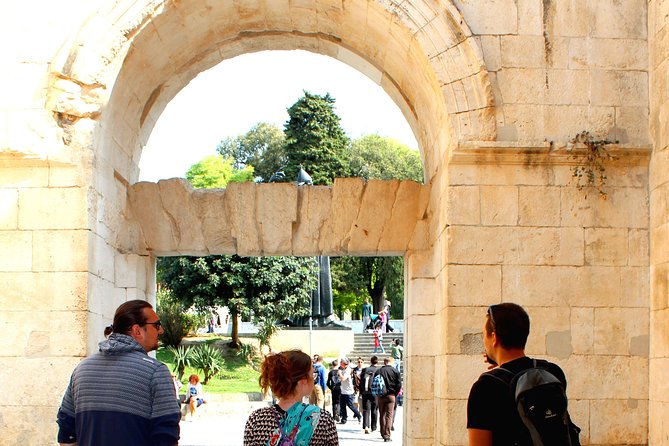
- Small group (up to 10): easier questions, less crowd pressure, better attention to details.
- English guide and walking pace: built for people who want history without feeling rushed.
- Diocletian’s Palace stop with free admission ticket: you spend your time inside the big showpiece.
- Three classic Split zones in 90 minutes: Palace, Old Split, then the sea front on the south side.
- Night-friendly format without over-the-top scare tactics: more historical stories than theatrical ghost stuff.
- Local drink at the end (often beer, with non-drinker alternatives): a nice closing touch if offered to your group.
Why a dark-themed Split walk is actually a good plan
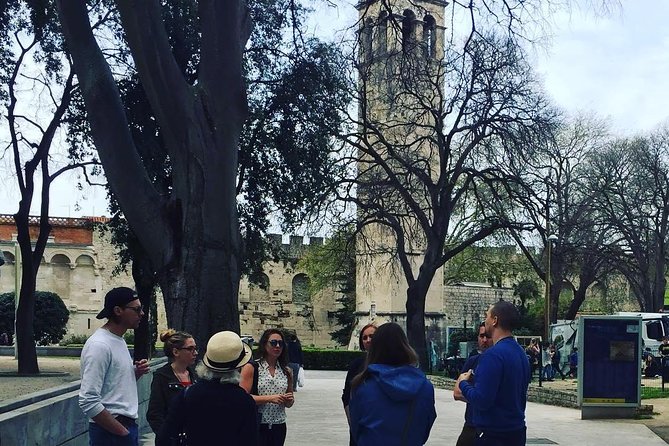
Split has a talent for mixing eras. Roman stone sits beside old stone houses, and the sea keeps everything moving. A dark-history themed walk works well here because you’re not being asked to imagine a haunted stage set. You’re reading the city the way locals did: by noticing what’s built, what was repurposed, and what people tried to survive.
This tour keeps it grounded. You’ll hear about the harsher edges of Split’s past, but the vibe stays friendly and straightforward. Think: stories you can take seriously without getting jumpy.
And the timing fits real travel life. Ninety minutes is long enough to get your bearings fast, but short enough that you’re still free to roam on your own after.
You can also read our reviews of more tours and experiences in Split.


Diocletian’s Palace: where the stones do most of the talking
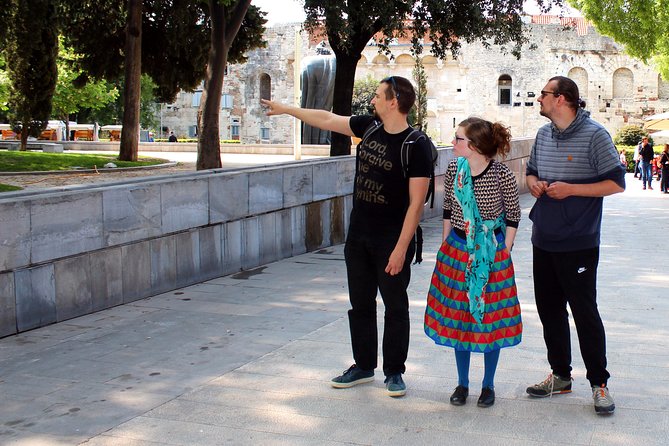
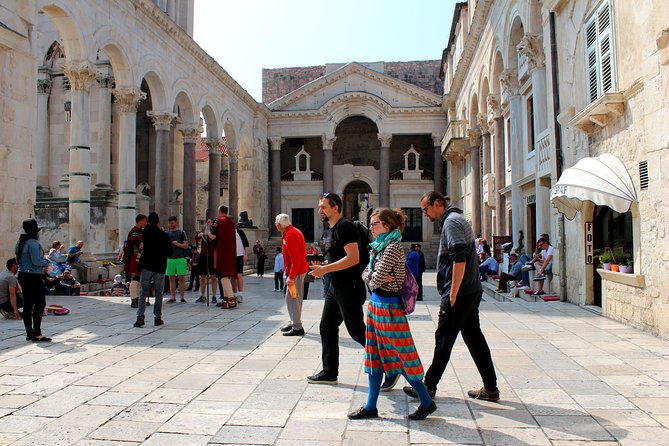
Stop 1 is Diocletian’s Palace (50 minutes), with admission handled for you (listed as free for this stop). This is the big one. The palace is around 1,700 years old and is often described as the late-Roman palace that survived best, plus it’s been on UNESCO’s heritage list since 1979.
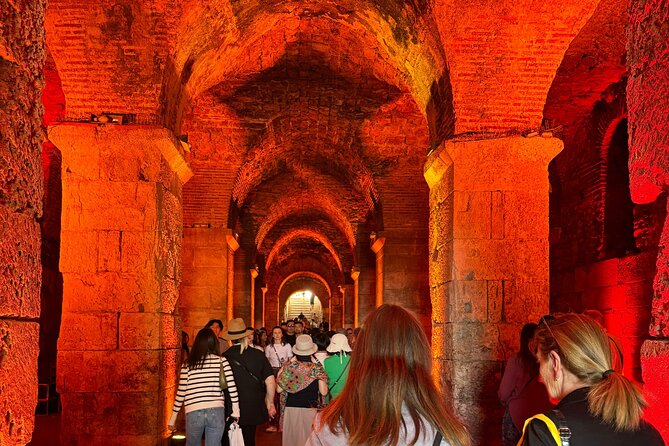
What I like about starting here is that the rest of the walk makes more sense. Once you understand the palace layout and the idea that this was built to house power, everything else feels less random. Even if you’ve glanced at Diocletian’s Palace before, guided time changes how you move through it. You tend to look for doorways, corridors, and reused spaces instead of just taking photos.
A potential drawback: this is the most “concentrated” portion. If you’re the kind of person who wants quiet time to wander, you might feel a little wrapped up in the group’s flow. Still, the payoff is that you get context early, before the tour turns into smaller, more atmospheric streets.
Old Split on the west side: narrower streets, sharper stories
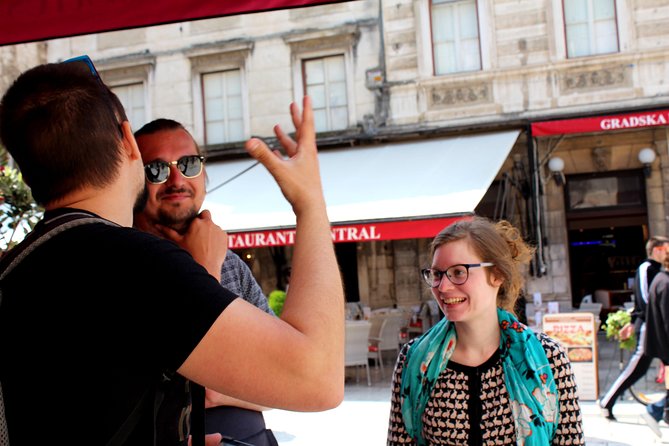
Stop 2 is Old Split (20 minutes) on the area west of the palace. This is where Split stops being a single monument and starts being a lived-in maze.
In a dark-history tour, Old Split matters because small streets make big themes feel personal. You get a sense of how people moved, hid, traded, and rebuilt across centuries. Even on a short segment, the walk helps you notice the city’s logic: where you’d expect activity, where you’d expect retreat, and where daily life could turn tense.
One practical note: twenty minutes goes fast here. If you want to linger on your own, use the guided stop to get the feeling and then break off afterward for a slower look.
Riva Harbor at night: sea air and a calmer ending
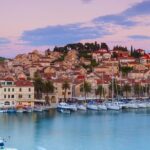
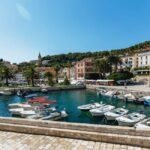
Stop 3 is Riva Harbor (20 minutes), specifically the sea promenade on the south side of the palace. This is a great end point because it flips the mood without erasing the day’s stories. The promenade gives you open space and views, and you can breathe after the tighter streets.
Riva Harbor also acts like a visual “reset.” You come from stone corridors and older neighborhoods, and then you reach a stretch where the sea front makes Split feel immediate again. It’s also an easy place to keep going after the tour, since the end point is on the promenade side.
If you’re taking photos, this is usually the most satisfying time. Even if night lighting isn’t perfect every day, the combination of water and historic architecture tends to look good fast.
Route logic, timing, and what that means for you
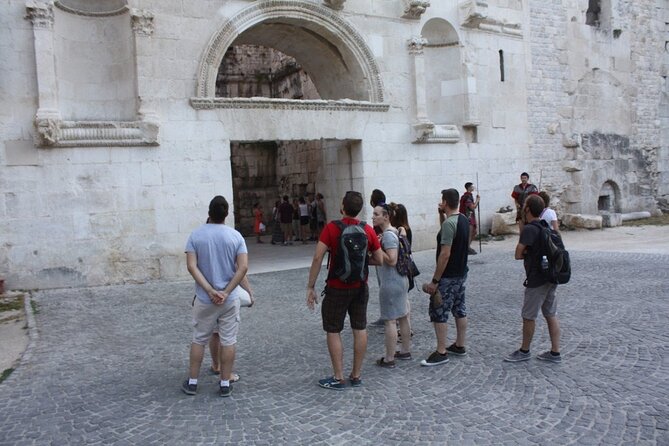
The whole tour runs about 1 hour 30 minutes. It’s set up as three short blocks: 50 minutes at Diocletian’s Palace, then two 20-minute walks outside it. That pacing is ideal for an evening program, especially if you’re trying to see “enough” without locking your whole night.
You’ll start at 4 CoffeeHrvojeva 9, 21000 Split, and end at Obala Hrvatskog narodnog preporoda 20, 21000 Split along the sea promenade. The fact that you start near a coffee spot is useful. You can grab a quick drink before you meet, then you’re ready to walk without fuss.
Group size matters too. With a maximum of 10 people, you get a better chance to ask questions and hear answers without waiting your turn. It also makes the walk feel less like a cattle line and more like a guided stroll through meaningful places.
One more practical point: the tour uses a mobile ticket, so you won’t need to hunt for printed papers.

The guide style is the real value here

The biggest theme in the strong ratings is the guide’s storytelling. You’ll hear the past as narrative, not as a lecture. In the accounts I read, the guide named Dasen/Dusen is described as exceptionally good at bringing Split to life, including the fun side and the darker side, without turning the whole thing into cheap theatrics.
What you’re likely to appreciate is the balance. Some ghost-style tours try to scare you with drama. This format leans toward historical concepts and accurate facts, then adds personality. That means you can bring teens too. In one note, a pair of 13- and 14-year-olds still found it interesting, which says a lot about how readable the stories are.
There’s also a human touch at the end. Several accounts talk about a free local beer to wrap things up. Another message notes the guide arranged a local soda alternative for someone who doesn’t drink beer. So if you’re picky about alcohol, you can feel hopeful that you won’t be stuck without a drink.
Price and value: what $34.24 buys you in Split
At $34.24 per person for about 90 minutes, this isn’t “cheap,” but it can be good value if you’re using it for orientation plus a story you wouldn’t get alone.
Here’s why it can feel worth it:
- Admission for Diocletian’s Palace is included for the stop (listed as free admission ticket for that segment).
- You’re paying for a guide who connects the dots across three areas, instead of collecting a pile of random facts.
- A small group (max 10) helps you actually hear explanations and not just shuffle behind someone.
If you’re already the type who loves reading plaques and wandering independently, you might do fine without a guide. But if you want to understand the city’s darker corners in a way that’s quick, clear, and actually fun, this price starts to make sense.
Who should book the Dark Tour of Split
I think this tour fits best if you:
- Want a night-friendly walking program with real context.
- Prefer stories that feel historical and accurate rather than scary-for-scary’s sake.
- Like small group walking tours where you can ask questions.
- Are curious about what people did to survive, not just who built what.
It also looks doable for many people. It’s listed as suitable for most travelers, service animals are allowed, and it’s near public transportation. If you’re traveling with a teen and you worry that “history tours” might become boring, this format has a good chance of landing well.
A few practical tips before you go
Here are the small things that help this tour feel smooth:
- Wear shoes you trust. You’ll be walking, and the streets can be uneven.
- Bring a light layer. Even in a good season, evenings by the sea can cool down.
- Plan to arrive a few minutes early so you’re not rushing at the start meeting point.
- If you’re sensitive to weather, check conditions. The tour requires good weather.
If you end up skipping one of the stops for your own pace, you’ll still come away with the main framework. But doing all three is what ties the palace to the streets to the sea.
Should you book the Dark Tour of Split?
If you’re deciding between the usual “highlights” version of Split and something that adds edge without going full theatrical, I’d book this. The strongest reason is the combination of small-group pacing and a guide who tells history as stories you can follow.
I’d skip or reconsider only if you hate walking at night or you’re worried about weather disruptions. Since the tour depends on good conditions, you’ll want a flexible evening if possible.
Bottom line: for a smart first or second night in Split, this tour is a solid way to understand what you’re seeing, then go back out on your own with better eyes.
FAQ
FAQ
How long is the Dark Tour of Split?
The tour lasts about 1 hour 30 minutes.
How much does the Dark Tour of Split cost?
It’s priced at $34.24 per person.
Is the tour offered in English?
Yes, it’s offered in English.
Where do I meet the guide?
The meeting point is 4 CoffeeHrvojeva 9, 21000 Split, Croatia.
Where does the tour end?
The tour ends at Obala Hrvatskog narodnog preporoda 20, 21000 Split, Croatia, at the sea-promenade on the southern side of the palace.
Is there an admission ticket included for Diocletian’s Palace?
Yes. The Diocletian’s Palace stop lists admission ticket free.
How big is the group?
The tour has a maximum of 10 travelers.
Do I need a paper ticket?
No. It’s a mobile ticket experience.
What happens if the weather is bad?
The tour requires good weather. If it’s canceled due to poor weather, you’ll be offered a different date or a full refund.
Can I cancel for a full refund?
Yes. You can cancel up to 24 hours in advance for a full refund.