REVIEW · SPLIT
Educational wine tasting in Split
Book on Viator →Operated by Split&Sip · Bookable on Viator
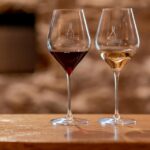
A good wine lesson should feel like good conversation. This one-hour Split wine tasting pairs Croatian wines with snacks, so you leave knowing what you tasted and why it matters. I like that it’s built around real flavors from the region, not vague wine talk, and it stays relaxed enough for both first-timers and wine nerds.
What I love most is the focus on Croatian culture through wine. You’ll hear how grapes, timing, and conditions change what’s in your glass. One more win: the setting is a proper little wine-shop experience, so it feels personal even with a group. The only caution: it’s about an hour, so if you want a long drinking session, you’ll finish pretty quickly.
With a max group size of 18, you get enough attention to ask questions and actually remember what you learned. The food pairing helps too: local cheeses, prosciutto with sun-dried tomatoes, olives, tapenade, and simple snacks that make the wine lessons stick. If you’re expecting a huge variety or a full dinner, adjust your expectations. This is an educational tasting, not a day-long wine crawl.
In This Review
- Key highlights you’ll care about
- Why this Split wine tasting feels easier than you expect
- The tasting flow: how the pours and snacks actually work
- Meeting at Trg Gaje Bulata 6: simple, central, and easy to find
- What you learn about Croatian wine (without the textbook vibe)
- The food pairing isn’t an afterthought
- Small group size means you can actually ask questions
- Price and value: what $57.93 buys in real terms
- Who should book this, and who might want a different plan
- Practical tips so your hour feels worth it
- So should you book this Split&Sip wine tasting?
- FAQ
- How long is the wine tasting in Split?
- Where does the tour start, and does it end nearby?
- What language is the tasting offered in?
- What does the tasting include?
- How many people are in the group?
- Is a mobile ticket used?
- Can I bring a service animal?
- Is there a cancellation window?
- Is it easy to get there using public transportation?
Key highlights you’ll care about
- A focused 60-minute education in Split, offered in English
- Wine + cheese/charcuterie pairings that match the lesson, not just filler snacks
- Small-group feel with a maximum of 18 people
- Regional storytelling, including how grapes and conditions shift flavor
- Generous pours paired with local bites
- Hosts like Sven or Kristina who guide tastings with real technique
Why this Split wine tasting feels easier than you expect
If wine intimidates you, this is a smart first stop. The format is short: about one hour, so you’re not trapped for hours while trying to figure out what you’re even tasting. You’ll get guidance on how to taste, how to think about flavor, and how pairings change the experience.
What I find refreshing is the tone. It’s not about sounding fancy. It’s about learning the basics in plain language, then tasting right away. One of the best takeaways is understanding how factors like the grape, timing, and weather can shift taste. That’s the kind of idea that makes you a more confident buyer back in your own country, not just a person who finished a tasting.
You can also read our reviews of more food & drink experiences in Split
The tasting flow: how the pours and snacks actually work
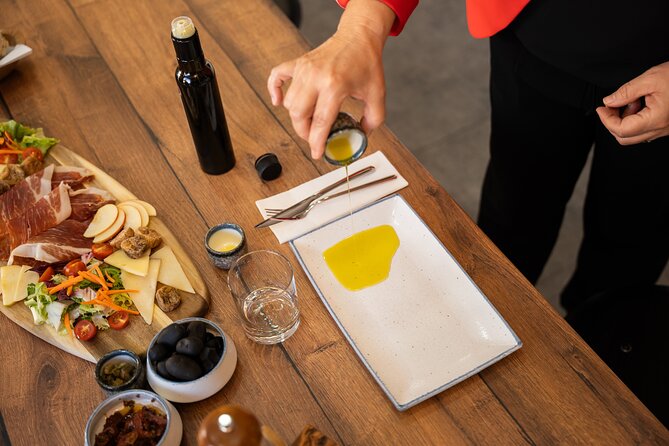
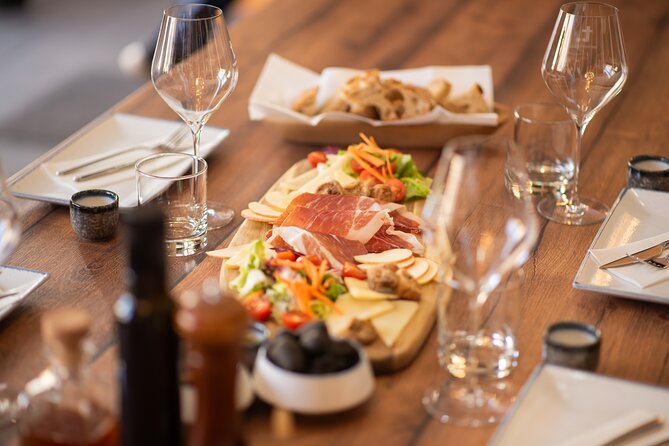
This experience starts with food, then moves into the wines in a way that keeps you from feeling empty-stomached. The starter is a spread of snacks designed to match what you’re tasting: local cheeses, prosciutto, sun-dried tomatoes, and olives. You’ll also find tapenade as part of the pairing mix.
Then comes the part you paid for: multiple wine pours led by the host. The exact number of wines can vary depending on how the tasting is set up, but plan for something in the three-to-six wine range rather than just one bottle-level sample. The key is that each pour is tied to the story you’re hearing—where the wine comes from, what it’s like, and how it changes with food.
Here’s how you can make the most of the hour:
- Start with smell before you drink, even if you feel silly. It helps you catch fruit vs. spice vs. something else.
- Try one bite of cheese or prosciutto between pours. You’ll feel pairing changes fast.
- Ask at least one question about regional differences. That’s where the lesson becomes personal.
Meeting at Trg Gaje Bulata 6: simple, central, and easy to find
The meeting point is Trg Gaje Bulata 6, 21000 Split, Croatia. The activity ends back at the same spot, so you’re not thinking about where to go next. You also have the advantage of it being near public transportation, which matters in a city where walking routes can be a maze if you’re arriving with luggage or jet lag.
One small practical note: this kind of wine-shop meeting works best if you arrive a few minutes early. You’ll settle in faster, get to the tasting table without rushing, and you’ll start with a calm head instead of a late-one scramble.
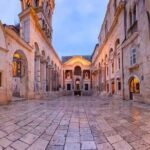
Also, the venue has the feel of an old-city neighborhood wine shop. Several people describe it as a wine shop right outside the walls, which is exactly the kind of location that makes you feel you’re seeing the real local side of Split, not just the most photo-friendly corner.
What you learn about Croatian wine (without the textbook vibe)
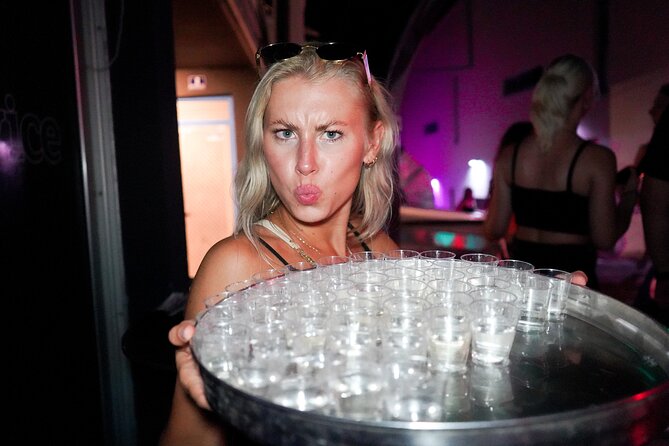
This tasting is built around regional wine knowledge and how to read what’s in your glass. You’ll talk about local production and the logic behind flavor—not in a lecture way, but in a story way that connects grape and land to the end result.
Hosts like Sven and Kristina come through in the way they lead the session: they explain how different soil types and regions show up in aroma and flavor. You’ll also hear how the grower’s realities—what happens during the season—can influence what the wine tastes like.
One of my favorite learning moments from this format is when the host connects pairing with the sensory lesson. For example, you might try a combination where cheese meets fig jam, or you’ll get suggestions on how to match white wine with lighter, savory bites. That kind of pairing isn’t just about taste. It trains you to notice textures and intensity.
If you’re a wine fan, you’ll like that it covers more than just one style. If you’re brand new, you’ll like that the host keeps bringing the conversation back to what you can taste right now.
The food pairing isn’t an afterthought
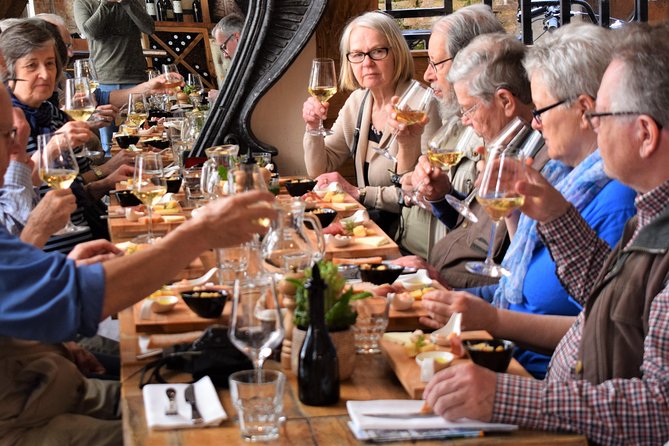
In many tastings, the snacks are there to keep you from getting too drunk. Here, the food is part of the teaching. You get a fine selection of local cheeses, along with prosciutto and sides like sun-dried tomatoes and olives. Tapenade adds a salty, herby bite that works well for comparing how wines handle savory flavors.
Why this matters: wine doesn’t taste the same with different foods. Fat from cheese can soften tannins. Salt from cured meat can make fruit feel brighter. Acid from tomatoes can sharpen certain wine notes. Once you taste with the pairing in mind, you start recognizing patterns rather than randomly guessing.
So if you tend to skip bites during tastings, don’t. Eat a little of each pairing. That’s where your learning clicks.
You can also read our reviews of more wine tours in Split
Small group size means you can actually ask questions
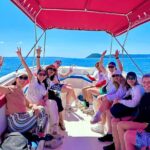
The maximum is 18 travelers. That number matters more than it sounds. In a larger group, wine can become background music. Here, you’re more likely to get personal answers to questions, and you’re less likely to feel like you’re just watching someone else enjoy.
It also helps that the host style comes through strongly in the way people describe the experience: engaging, friendly, and focused on explanation. If you enjoy meeting other people, a tasting like this often creates easy conversation at the table without it turning into a forced social event.
Price and value: what $57.93 buys in real terms
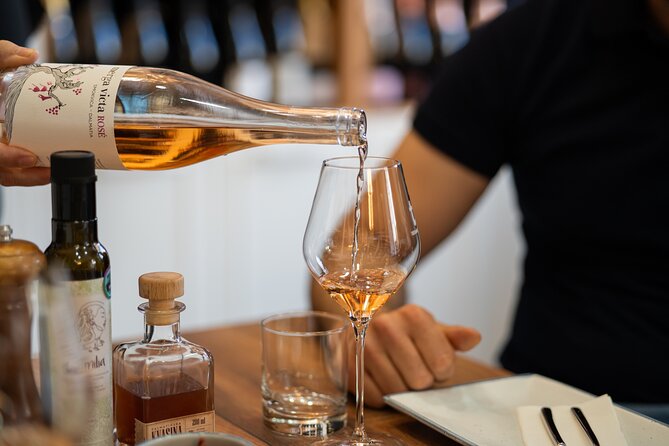
At $57.93 per person for about one hour, this isn’t a bargain tasting where you get watered-down pours and a tiny cracker. You’re paying for three things that add up fast:
- Expert-led guidance in English
- Multiple wine samples (often around the three-to-six range)
- Food pairings that include local cheeses and cured meats
You’re also paying for time. A short, structured hour can be better value than a half-day “maybe you’ll learn something” situation. If you’re visiting Split and want a first-night activity that sets the tone for the rest of your trip, this hits that sweet spot.
One more value point: some people leave with bottles to take home. Even if you don’t buy, you’ll likely be better at picking what to try next, because you’ll know which flavors you liked and why.
Who should book this, and who might want a different plan
This works especially well if:
- You’re in Split for the first time and want a smart intro to Croatian wine
- You like structured tasting with real food pairing
- You’re traveling as a couple and want a relaxed activity with plenty of conversation
- You want to learn even if you’re not a wine expert
It might not be the best fit if:
- You want a long evening or a full food-focused dinner experience
- You prefer self-guided wine shopping with zero instruction
- You expect a huge variety across many producers and styles in a single sitting
Practical tips so your hour feels worth it
Here are a few things you can do that don’t require wine jargon.
- Come hungry enough for snacks. The tasting includes food, but you’ll enjoy it more if you’re not starting with a totally empty stomach.
- Be ready with one question. For example: which region should you try next in Croatia, or what pairing surprised you?
- If you’re new to wine, focus on your notes in simple terms: fruit, spice, acidity, texture.
- If you’re an enthusiast, ask about what to look for beyond taste. Weather, timing, and region are part of the lesson here, so use that.
So should you book this Split&Sip wine tasting?
Yes, if you want a short, friendly way to understand Croatian wine in Split. It’s a solid choice for beginners because it’s paced for learning, and it’s a good choice for fans because the host explains what’s behind the flavors—grapes, conditions, and region.
It’s also the kind of activity that fits early in your trip. You’ll start paying attention at shops and restaurants after you’ve tasted, rather than ordering blindly.
If you’re the type who loves local food pairings with local drinks, this is a strong match. Just remember it’s only about an hour, so treat it as an education-focused tasting, not an all-night celebration.
FAQ
How long is the wine tasting in Split?
It runs for about 1 hour.
Where does the tour start, and does it end nearby?
It starts at Trg Gaje Bulata 6, 21000 Split, Croatia, and it ends back at the meeting point.
What language is the tasting offered in?
The experience is offered in English.
What does the tasting include?
You’ll taste wines and have snacks such as local cheeses, local prosciutto with sun-dried tomatoes and olives, and tapenade.
How many people are in the group?
The maximum group size is 18 travelers.
Is a mobile ticket used?
Yes. A mobile ticket is included.
Can I bring a service animal?
Service animals are allowed.
Is there a cancellation window?
Yes. You can cancel up to 24 hours in advance for a full refund.
Is it easy to get there using public transportation?
The meeting location is near public transportation.