REVIEW · MUSEUM OF ILLUSIONS SPLIT
Split: Museum of Illusions Entrance Ticket
Book on GetYourGuide →Operated by Museum of Illusions Split · Bookable on GetYourGuide
Optical tricks start fast in Split. For $14 you get hands-on rooms that challenge your senses, like the water flowing uphill and the photo setup where you look big or small. One possible snag: if you want French explanations, the captions offered are English, German, Italian, and Croatian, so French isn’t listed.
What I like most is the mix of “wow” installations and play-based learning. You’re not just looking at posters; you’re trying things, walking into the illusions, and letting the room do the convincing. The only drawback I’d plan around is that unaccompanied minors aren’t allowed, so bring a parent or guardian if kids are coming.
This is a simple ticket experience. You show your voucher at the museum’s main entrance, then you’re free to explore at your own pace within your visit window.
In This Review
- Key highlights at Split’s Museum of Illusions
- Split Museum of Illusions ticket: what you really pay for
- Before you go: timing and how to plan your day
- The impossible rooms: gravity, size changes, and mirror tricks
- Photo-ready moments that work for everyone (even if you’re not “a museum person”)
- Playrooms with games and puzzles: learning without the lecture
- Captions and language support: what to expect on-site
- Practicalities: camera, service animals, and the rules for kids
- Meeting point and entry flow at the main entrance
- Is it worth $14 in Split, Croatia? A fair value verdict
- Who this museum suits best
- Should you book the Split Museum of Illusions entrance ticket?
- FAQ
- How much is the Split Museum of Illusions entrance ticket?
- How long is the experience?
- Where do I meet the activity at the museum?
- Is a camera required or recommended?
- What languages are available for captions?
- Is the museum wheelchair accessible?
- Are service animals allowed?
- Are unaccompanied minors allowed?
Key highlights at Split’s Museum of Illusions
- Uphill water and gravity-defying rooms that make your brain fight reality
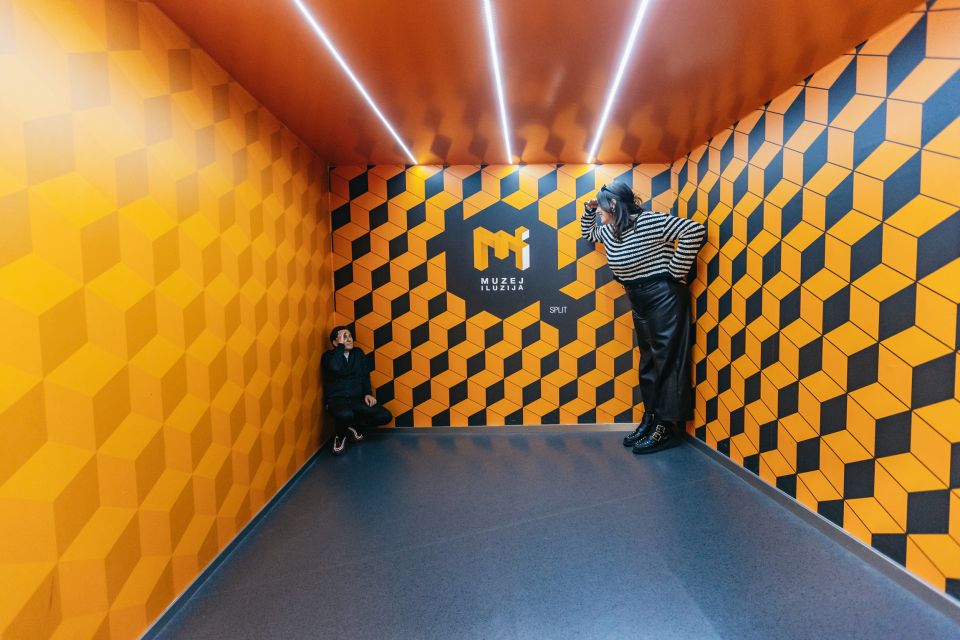
- Big-and-small photo area designed for instant laughs and great shots
- Mirror maze and size-change moments that keep you moving
- Hands-on playrooms with games and puzzles that feel more like fun than lessons
- Captions in English, German, Italian, and Croatian for support while you explore
- Wheelchair accessible layout for visitors who need step-free access
Split Museum of Illusions ticket: what you really pay for
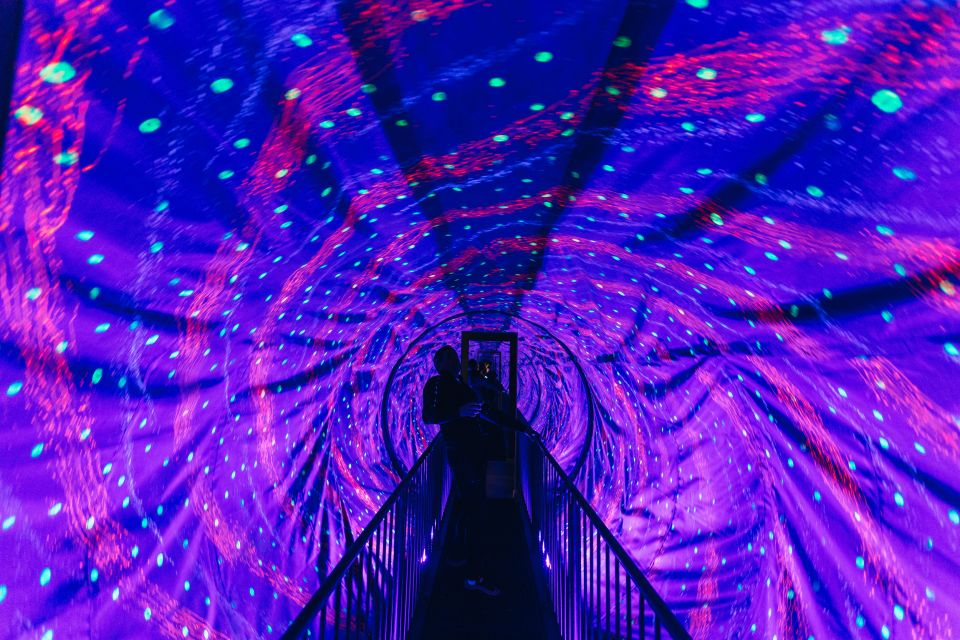
You’re paying for a one-day pass to a hands-on optical illusion museum in Split, in Croatia’s Dalmatia region. The price is listed as $14 per person, and the included item is just the entrance ticket—no complicated add-ons, no hidden “tour fee” surprise.
The value here isn’t “content” in the traditional museum sense. It’s the experience of watching your perception break and then rebuilding it with evidence from your senses. That matters because illusions can feel silly until you understand the trick—then they feel smart. This museum leans hard into that moment.
Also, with a 1-day validity (check the availability for starting times), this works well when you want something indoors that still feels active. On a day with heat, rain, or just too much walking already, this is an easy switch.
Before you go: timing and how to plan your day
The ticket is valid for 1 day, and you’ll want to check what starting times are available. That’s the practical side: build it into your day so you’re not rushing from another site and trying to enjoy illusions at half attention.
Plan for a relaxed pace. These installations work best when you’re willing to pause, look carefully, and re-check what you think you saw. If you’re the kind of person who likes to compare “what it looked like” vs “what it should have looked like,” you’ll do well here.
One more small tip: you’re encouraged to bring a camera. Even if you don’t care about photos, having your phone ready helps you review what you saw—especially for the rooms that distort size and angles.
The impossible rooms: gravity, size changes, and mirror tricks
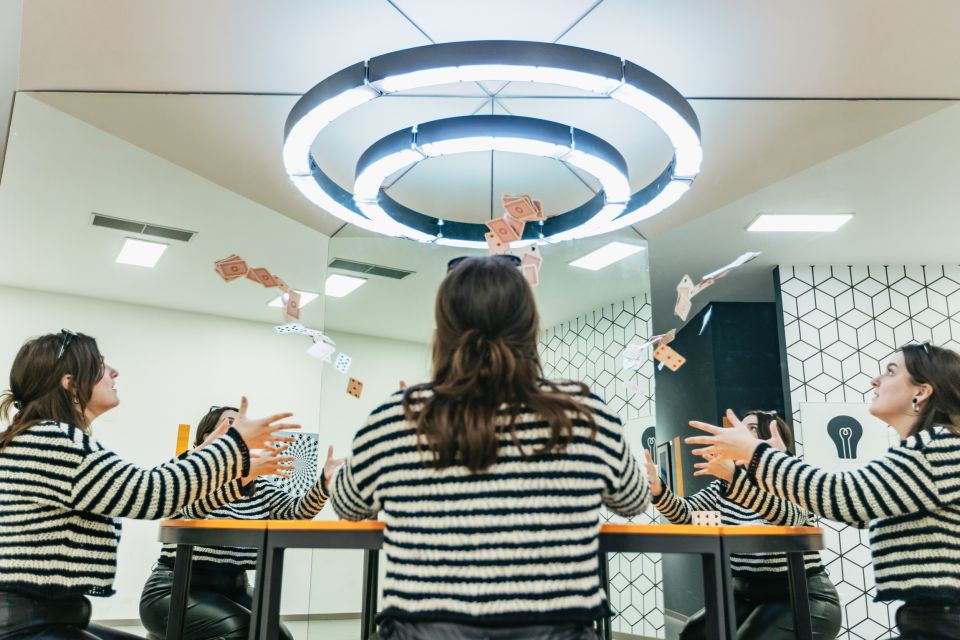
This museum is built around the idea that your brain interprets the world more than your eyes do. The exhibits are designed to test that pipeline: what you see, what you assume, and what the installation proves is wrong.
Here are a few highlights you should look out for as you move through the space:
Water flowing uphill
This is the classic “wait, what?” setup. Rooms like this aim to make you question gravity first, then your sense of direction and cause-and-effect second. The key is slow observation—let your eyes settle before you decide the effect is a trick.
Friends growing or shrinking right before your eyes
This one is perfect for groups. Your brain expects a person to stay the same size in the same room, so when the installation changes the apparent scale, your reaction is immediate. It’s also a good reminder that perception isn’t just sight—it’s how your brain calculates distance and size.
Maze of mirrors
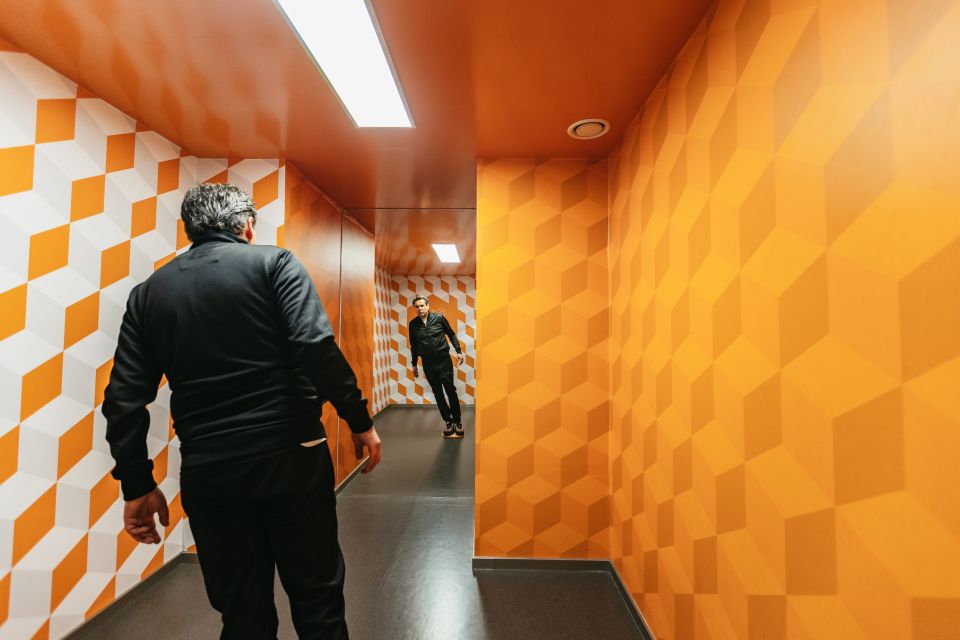
Mirrors are used to bend space and confuse depth. Expect multiple false “paths,” and don’t rush through. The best results usually come from stopping at a few decision points and taking a clear look from different angles.
Climb up onto the ceiling
This kind of exhibit plays with orientation. If you stand where you’re told and let your camera help confirm the perspective, you’ll get the point fast. It can be disorienting if you’re prone to motion sickness, so take your time.
Serve somebody’s head on a tray
This is more playful and theatrical than “science lab.” It still supports the bigger theme—your brain accepts what it expects to see. Here, the museum turns that expectation into a funny performance moment.
You’ll notice a pattern: lots of these work because they combine a visual trick with a physical action. You don’t just watch. You move. That’s why it sticks.
Photo-ready moments that work for everyone (even if you’re not “a museum person”)
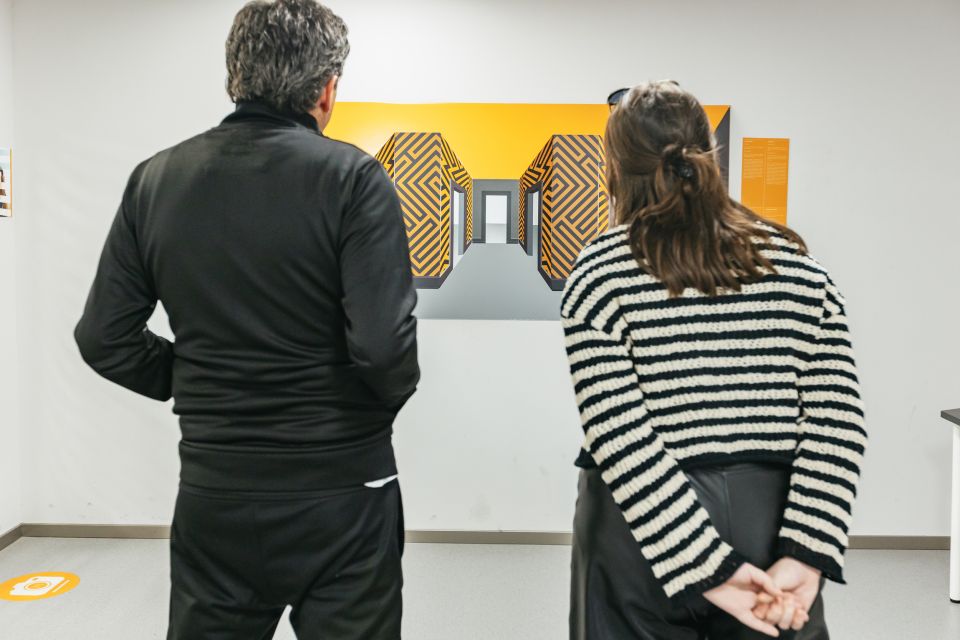
A highlight from a recent booking experience points to a very specific reason this place is popular: the photo room where you appear big and small. That’s smart design. You get instant feedback from your camera, and the illusion is easy to understand in the same second you capture it.
If you like sharing photos, this museum gives you multiple chances without forcing you into one “selfie line” style setup. You can also take your time. The illusions aren’t “one glance and walk away” installations. They ask you to line up, view, and compare.
This is where the museum earns its wide appeal. For kids, it’s the fun of surprising effects. For adults, it’s the chance to test how your mind fills in gaps. And for anyone in between, it’s a chance to laugh at how confidently we misread the world.
Playrooms with games and puzzles: learning without the lecture
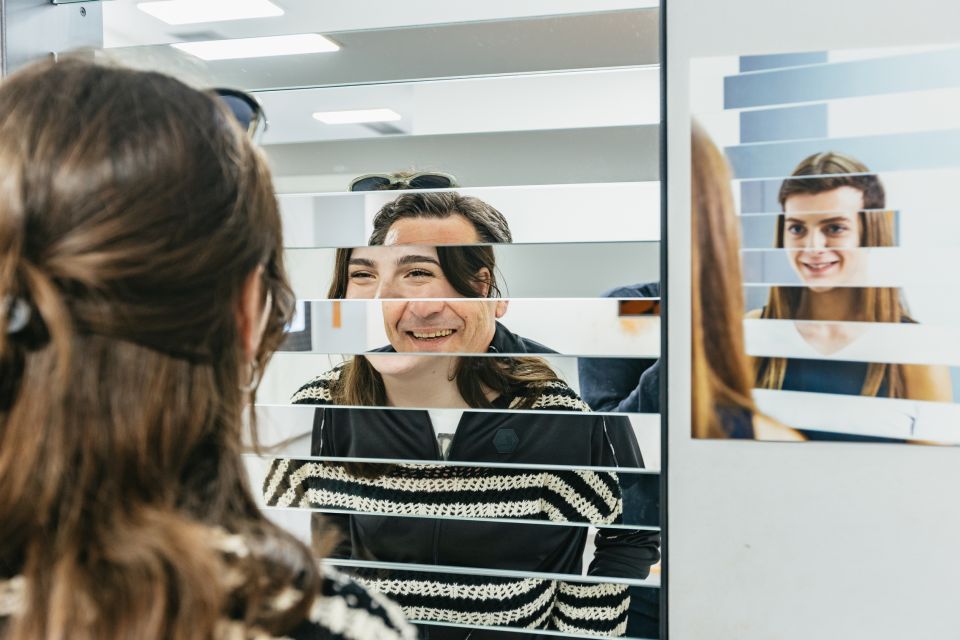
Not every illusion museum includes play areas, but this one does. You’ll find playrooms with intriguing games and puzzles designed to delight both children and adults who still enjoy solving things.
What I think makes these playrooms valuable is that they help you switch from passive watching to active experimenting. Instead of only seeing the science explained, you start practicing the logic yourself—how perception can be tricked, how patterns can mislead, and how your brain reacts to visual input.
This also helps if you’re traveling with mixed ages. Adults might want to linger in the optical zones, while kids get their energy out in the games and puzzle areas. Everyone stays engaged, which is often the real goal on a day trip.
Captions and language support: what to expect on-site
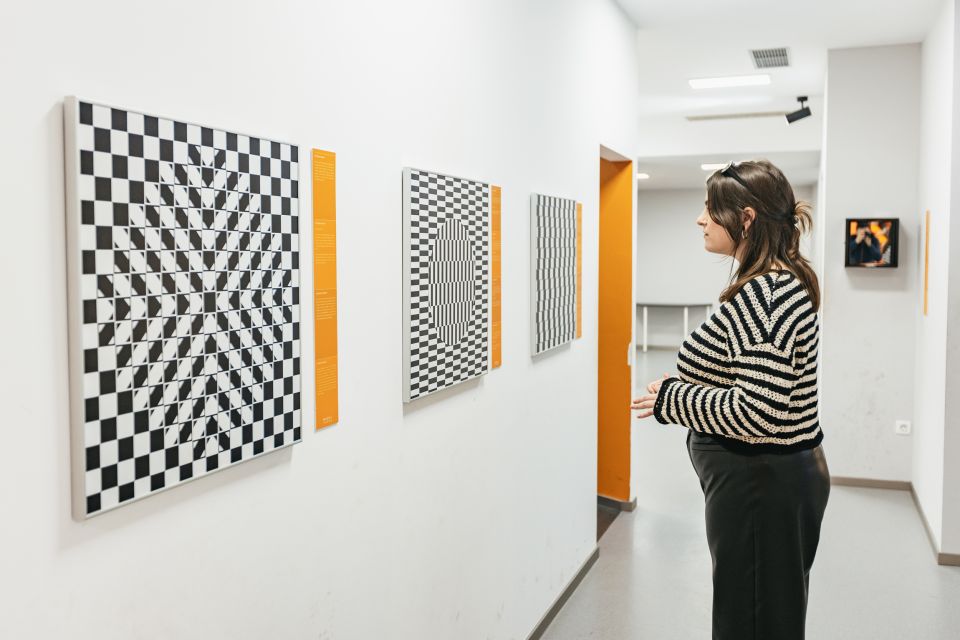
The museum offers captions in English, German, Italian, and Croatian. A booking note in the feedback specifically mentions disappointment about not having explanations in French, so I’d treat French as not available based on what’s listed.
If you speak one of the supported languages, that caption system makes it easier to connect each illusion to the idea behind it—vision, perception, the human brain, and science. Even if you don’t, you can still enjoy the installations. Many people get the effect just from watching and trying the setups.
The host or greeter is listed as English and Croatian. That helps if you need directions to the entrance, the general flow, or help with how to use your voucher at the main entrance.
Practicalities: camera, service animals, and the rules for kids
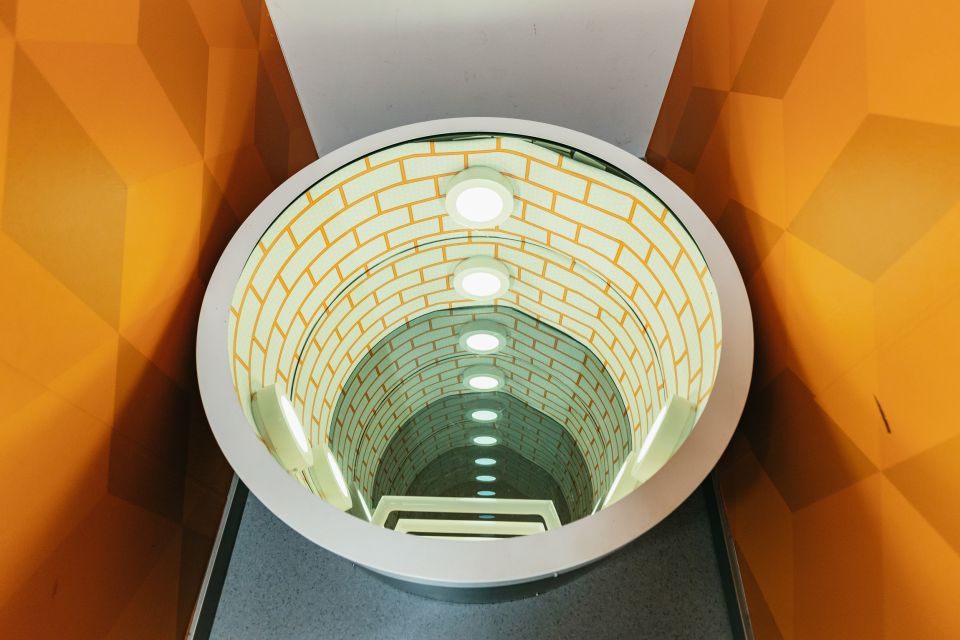
Bring a camera. The museum’s most memorable moments tend to be the ones you can show later—size distortion, mirror effects, and gravity-defying setups. If you don’t want to take photos, a camera still helps you confirm what happened when your brain says it didn’t.
A few important rules are worth knowing:
- Service animals are permitted.
- Unaccompanied minors aren’t allowed.
Wheelchair accessibility is listed, so you can plan around step-free access. If you’re traveling with someone who uses a wheelchair or needs accessible routes, this matters for comfort—not just convenience.
Meeting point and entry flow at the main entrance
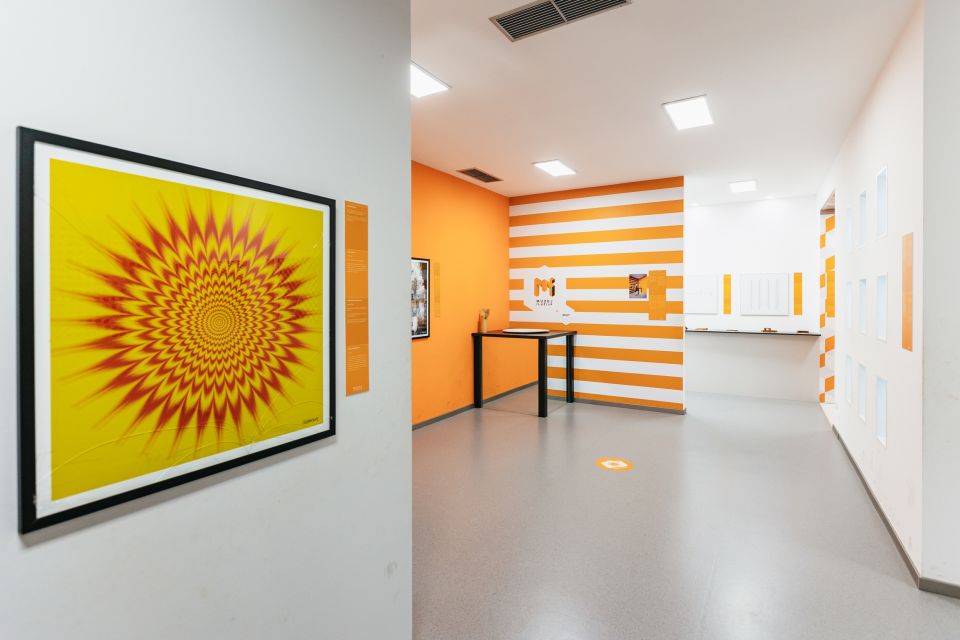
This one is straightforward. Your job is to show your voucher at the museum’s main entrance. There’s no separate check-in point described beyond that.
That simplicity is a travel win. When you’re in Split, you don’t always want another complicated timetable or an extra pickup step. Here, the museum keeps the start clean: arrive, show voucher, and go inside.
Is it worth $14 in Split, Croatia? A fair value verdict
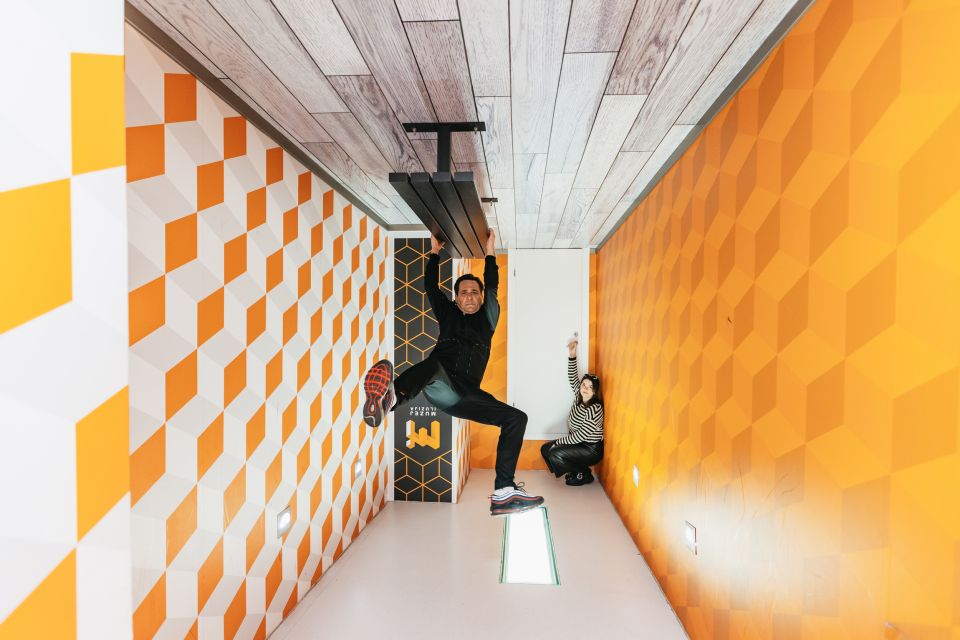
At $14 per person, this is priced like a fun activity you can fit into a holiday without overthinking budget. The value comes from variety: multiple optical rooms plus play areas, all designed to keep you moving rather than standing still reading.
The biggest “value” question isn’t cost. It’s your mood. If you enjoy hands-on, silly-smart experiences that make you question what you’re seeing, you’ll likely leave feeling entertained and a bit more aware of how perception works. If you want a quiet, traditional museum with artifacts and deep historical context, this isn’t that kind of place.
Also think about language. Captions are listed in four languages, so if your language needs aren’t covered, plan to enjoy the visual side first and use captions as optional support rather than the main guide.
Who this museum suits best
I’d point you here if you want:
- A rainy-day plan in Split that still feels active
- Something fun for families where kids and adults can enjoy the same rooms
- A short “wow” break between bigger sightseeing days
- A hands-on science angle without homework
It also fits solo travelers who like interactive experiences. You can treat it like a set of visual puzzles: pick a room, test what you think is happening, and see what the installation proves.
Should you book the Split Museum of Illusions entrance ticket?
Book it if you want a one-day, indoor activity that’s built for hands-on surprise, with plenty to keep you occupied and photo-friendly moments along the way. The $14 price makes it easy to justify, and the mix of optical illusions plus playrooms gives it more depth than a simple trick gallery.
Skip it only if you strongly prefer traditional museums, or if you need French-language explanations (since French isn’t listed among the caption options). If you’re okay with captions in English/German/Italian/Croatian and you’re ready to trust your eyes less than usual, this is a solid choice for Split.
FAQ
How much is the Split Museum of Illusions entrance ticket?
The ticket price is listed as $14 per person.
How long is the experience?
The ticket is valid for 1 day.
Where do I meet the activity at the museum?
Show your voucher at the museum’s main entrance.
Is a camera required or recommended?
You should bring a camera.
What languages are available for captions?
The museum offers captions in English, German, Italian, and Croatian.
Is the museum wheelchair accessible?
Yes, wheelchair accessibility is listed.
Are service animals allowed?
Yes, service animals are permitted.
Are unaccompanied minors allowed?
No, unaccompanied minors aren’t allowed.