REVIEW · SPLIT
Split: Private Walking Tour with Diocletian’s Palace
Book on GetYourGuide →Operated by www.splitwalkingtour.com · Bookable on GetYourGuide
Split feels like it was built in layers, then left to keep whispering. This private walk takes you through the living city—starting at the Golden Gate and weaving into the 1700-year-old palace complex and its best-preserved landmarks.
What I like most is the focus on both big stories and street-level details: you’ll connect Diocletian’s era to Roman life, medieval life, and later churches and palaces. Second, the tour is truly private and personalized, so your guide can match your tempo and interests instead of herding you with the next bus group.
One consideration: it’s a walking tour on uneven old streets, and it isn’t suitable for wheelchair users. If you’re sensitive to sun and long stretches on your feet, plan smart with breaks and water, and wear comfortable shoes.
In This Review
- Key things that make this tour work
- Why Diocletian’s Palace still shapes Split
- Golden Gate start: the quickest way to get your bearings
- Game of Thrones Museum: a fast stop that sets the mood
- People’s Square, Fruit Square, and Riva Harbor: where Split lives
- Walking into the palace core: cellars and the peristyle flow
- St. Domnius Cathedral (St Duje): Roman roots with deep meaning
- The medieval layer: fortifications, churches, and palace styles
- How long you should book: 90 minutes versus up to 5 hours
- Price and value: what $117 for up to 2 covers
- Guides make the difference: Vinka, Slavko, and Antonia
- What to bring (and what to expect on foot)
- Who should book this private Split walk
- Should you book this Split private walking tour?
- FAQ
- How long is the Split private walking tour with Diocletian’s Palace?
- Where do we meet for the tour?
- Is this a private tour or a shared group?
- What language(s) is the tour guide available in?
- What are the main sights included?
- Is the tour suitable for wheelchair users?
- What should I bring for the walk?
- How much does the tour cost for a group?
- What is the cancellation policy?
Key things that make this tour work
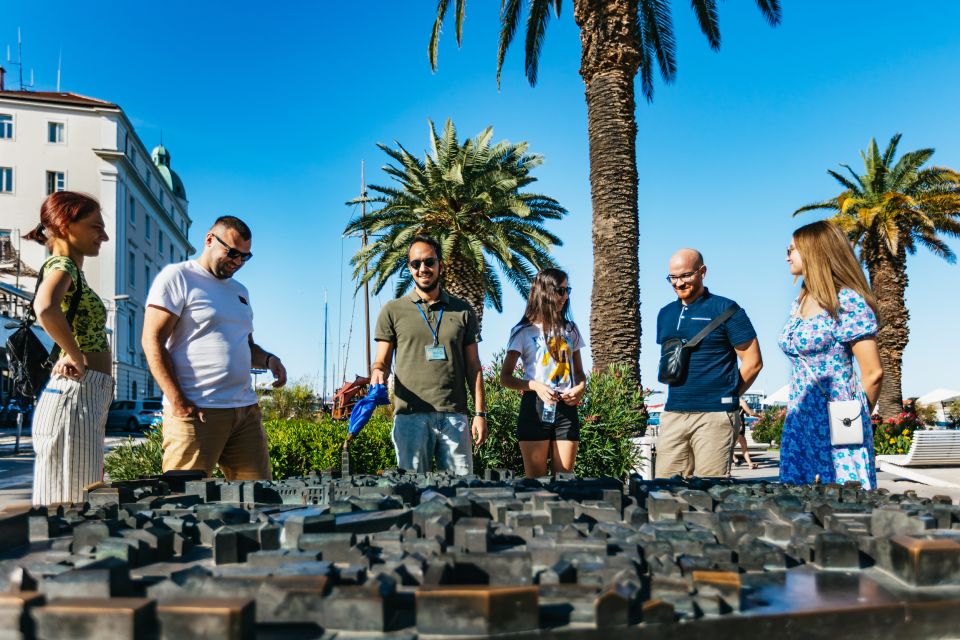
- Private guide, real local explanations: You get a professional guide with a passion for showing Croatia the practical way.
- Diocletian’s Palace in the right order: You move from gate-level city views into the palace core—cellars, peristyle, and more.
- You’ll see the squares and harbor area too: Stops like People’s Square, Fruit Square, and Riva help you understand everyday Split.
- Short, curated pop-culture stop: The Game of Thrones Museum is visited briefly, then history takes over.
- Best-preserved Roman landmark included: Cathedral of Saint Domnius (St Duje) is a major anchor.
- Flexible length from 90 minutes to 5 hours: You can slow down for questions or keep a brisk pace.
Why Diocletian’s Palace still shapes Split
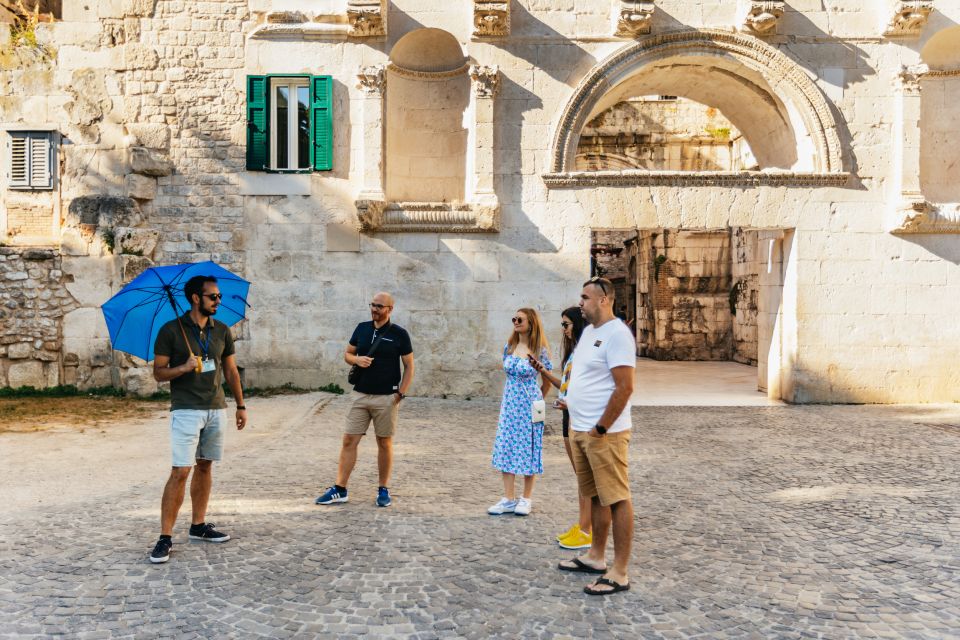
Split isn’t just a “historic site” town. It’s a city where ancient walls and Roman street layouts still influence where people walk, shop, and meet. That’s why Diocletian’s Palace matters: it’s not something sealed off behind a fence; it’s the skeleton underneath daily life.
The tour’s sweet spot is that it doesn’t treat the palace like a museum display. You get the story of Diocletian’s world, then you see how later centuries built on top of it—churches, fortifications, palaces, and the medieval quarter. It’s a lot to pack into one walk, but the private format helps keep it from turning into a blur.
You can also read our reviews of more walking tours in Split

Golden Gate start: the quickest way to get your bearings
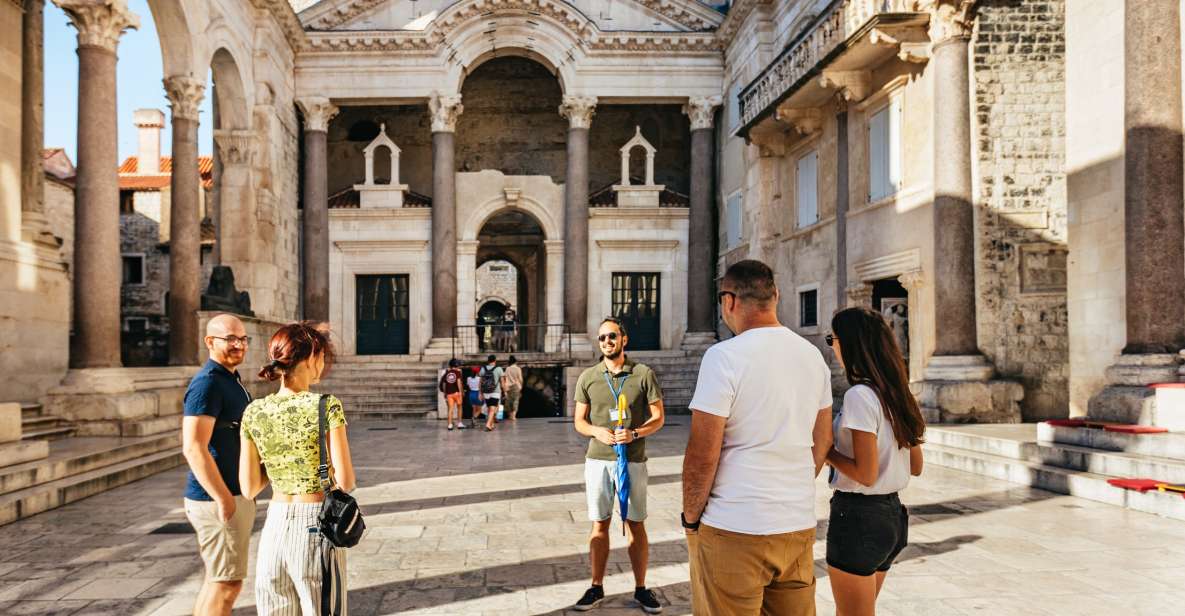
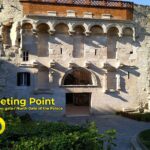
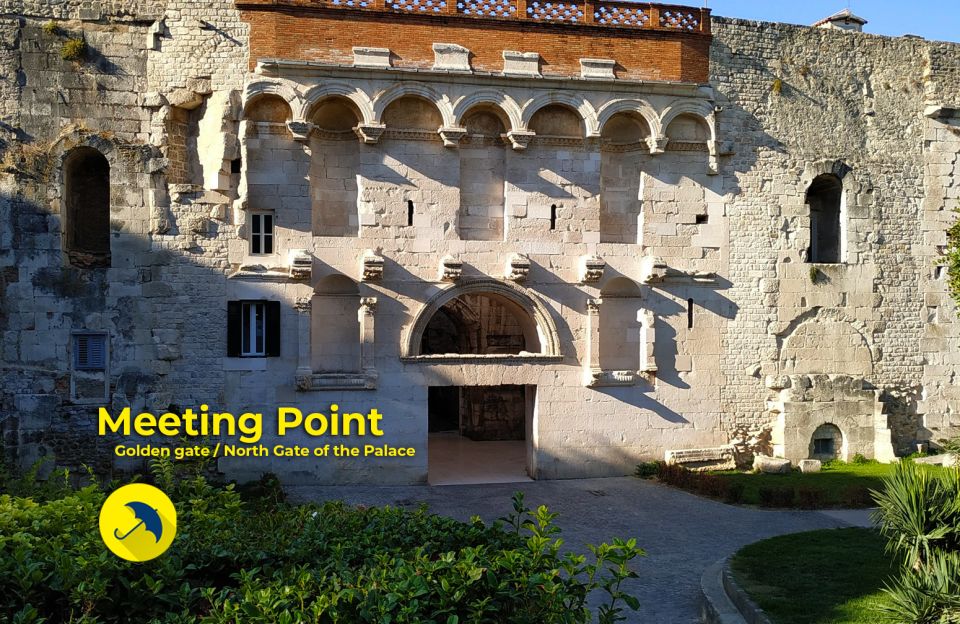
You meet at Golden Gate, the North Gate of Diocletian Palace. This matters more than it sounds. When you start at an actual gate, you naturally orient your route inside and around the palace complex, instead of guessing where everything fits.
Your guide will help you spot and understand key structures right from the beginning. The Golden Gate area also connects to the city’s layered timeline, including the tower-clock tradition that’s kept time in Split since the 15th century. If you’re the type who likes context before sightseeing, starting here is a smart move.
Practical tip: meet your guide early and keep an eye out for the blue umbrella. In this area, it’s easy to lose time waiting at the wrong corner.
Game of Thrones Museum: a fast stop that sets the mood
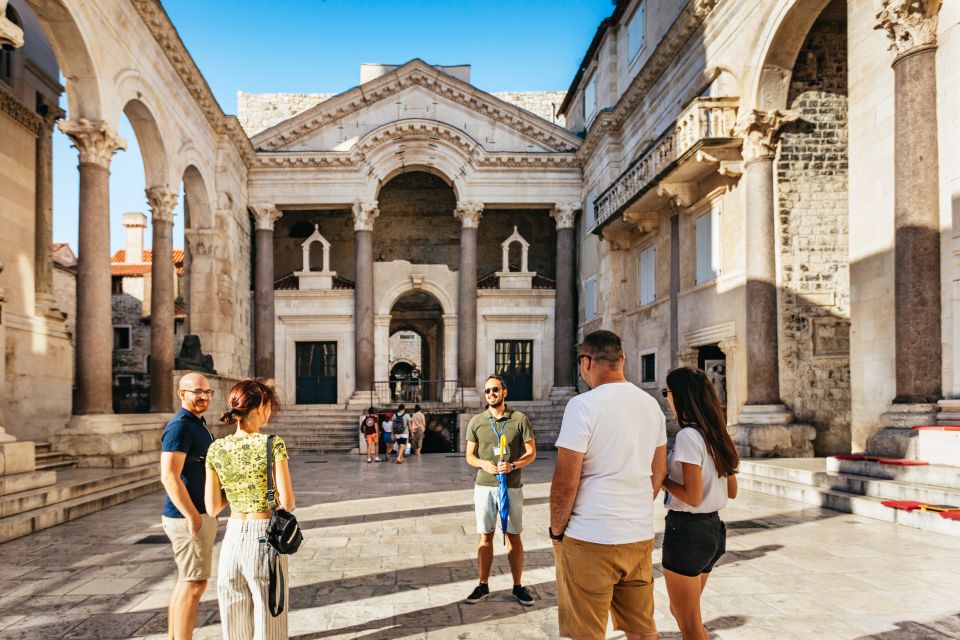
Right after Golden Gate, you’ll pass through a brief visit connected to the Game of Thrones Museum. The stop is short—about five minutes—so think of it as a palate cleanser, not the main event.
Here’s how it can help you: it gives you a modern reference point for a place that’s been filmed and reimagined. Then your guide steers you back toward what makes Split historically unique—Roman foundations and the way later styles wrapped themselves around them.
If you’re not into pop culture, don’t worry. The brief timing is built for people who want history first, not a long detour.
People’s Square, Fruit Square, and Riva Harbor: where Split lives
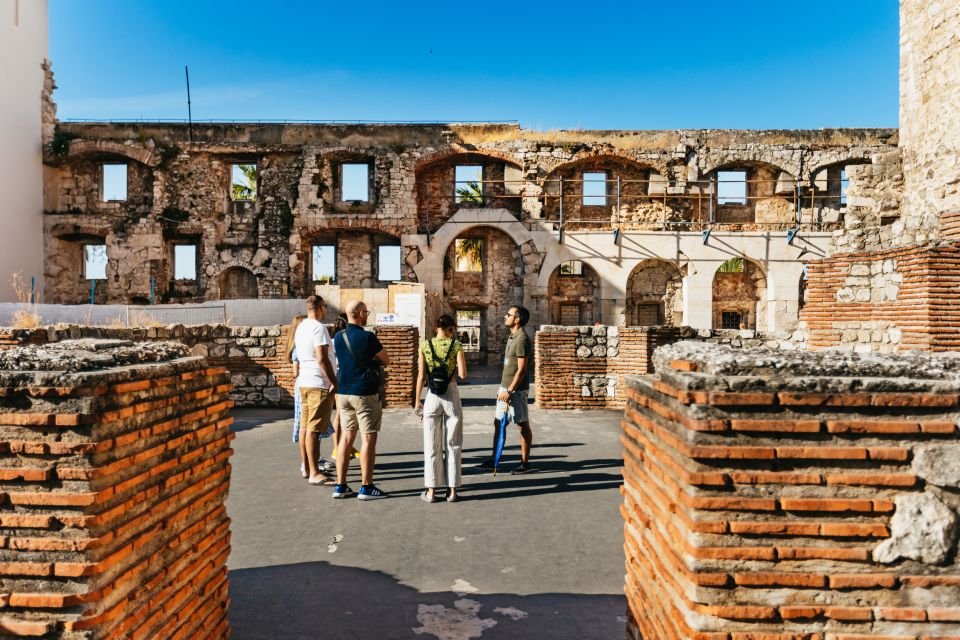
A lot of walking tours rush through squares like they’re just photo backdrops. This one uses them for orientation and atmosphere. You’ll spend time around People’s Square and Fruit Square, both quick stops that help you understand the medieval and civic rhythm of the city.
Then you move toward Riva, the harbor promenade—one of Split’s most recognized public spaces. The guide’s job here is to connect the dots: why people gather, what the market culture represents, and how the city’s layout reflects its past. Even if you’ve seen harbor views elsewhere in the Adriatic, Riva feels different because it’s tied to older civic life and the palace-adjacent core.
If it’s sunny, this stretch can heat up. Sunglasses and a hat aren’t optional here.
Walking into the palace core: cellars and the peristyle flow
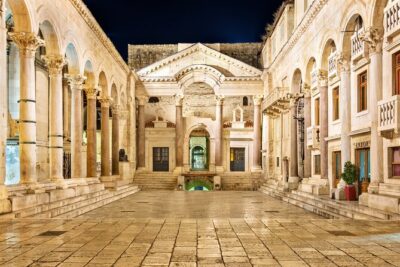
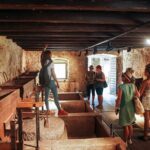
The big moment comes when you shift from city streets into the palace’s interior bones. You’ll visit Diocletian’s Cellars (about 15 minutes) and then the Peristil (around 10 minutes). These stops are more than “cool stone rooms.” They help you understand how the palace worked as a designed environment.
Diocletian’s Cellars are the kind of place where your imagination does the heavy lifting. You’re not just looking at walls—you’re seeing the infrastructure behind the palace’s grandeur. Then the Peristil gives you the open, central space feeling, so you can picture movement, gathering, and the layout logic of the complex.
Drawback to expect: because it’s a walking tour built around real-world sights, you’ll be moving in and out of different atmospheres quickly. If you like long pauses for photos and quiet reading, it helps that the overall tour length can stretch up to 5 hours.
You can also read our reviews of more private tours in Split






St. Domnius Cathedral (St Duje): Roman roots with deep meaning
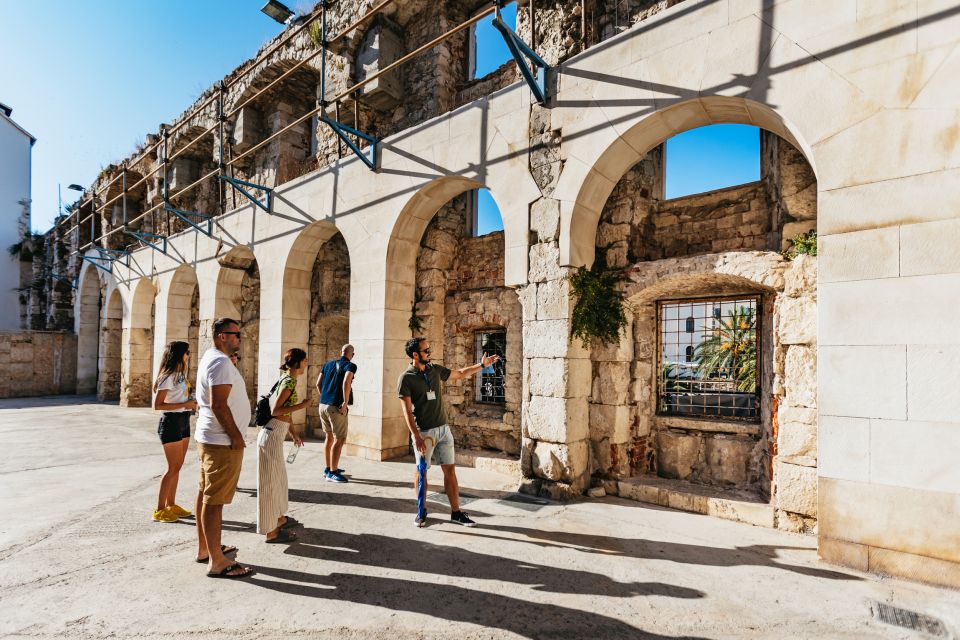
Next up is the Cathedral of Saint Domnius—known locally as St Duje. This is one of the best-preserved ancient Roman buildings still standing. It was built in the 5th century, and it sits on the site where Diocletian was interred in 311 AD.
That detail changes how you experience the stop. It’s not just a church you walk past. The guide uses the place to explain the transition from Roman persecution narratives to later Christian presence, all tied to one specific site and one specific burial story. Whether you’re into religion or just history, it’s the kind of anchor point that makes the entire walk feel connected.
You’ll also visit the Vestibul (about 10 minutes). This stop adds architectural glue between the palace world and the cathedral space—like seeing the connective tissue instead of only the headline rooms.
The medieval layer: fortifications, churches, and palace styles
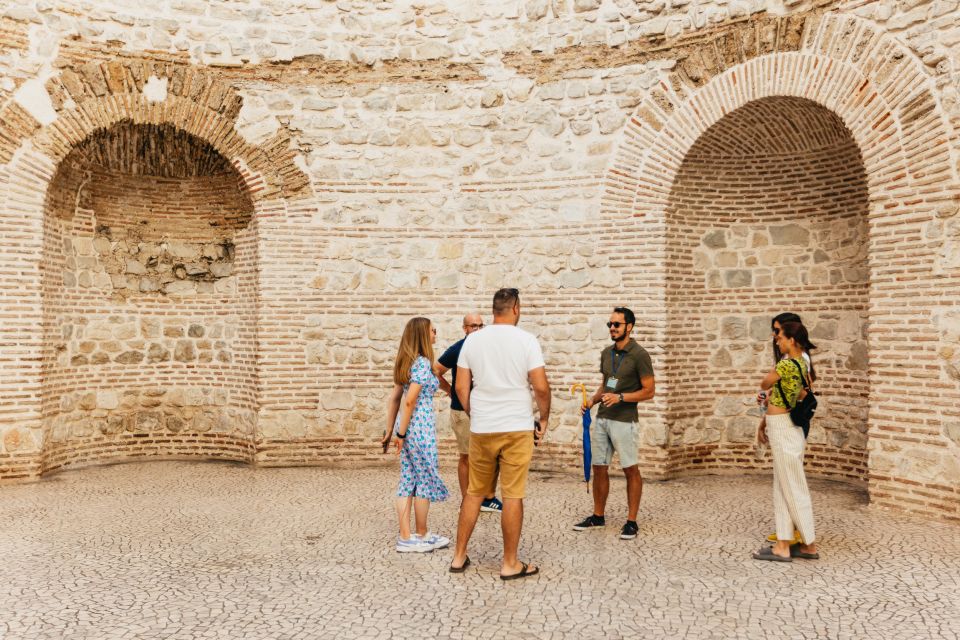
Outside the palace interiors, your guide weaves in the city’s other eras: 12th- and 13th-century Romanesque churches, medieval fortifications, and later 15th-century Gothic palaces plus Renaissance and Baroque-style palaces. You don’t need a history degree for this. The private guide’s job is to keep the timeline clear and explain what to look for on each street and facade.
This is where the private part really pays off. Big group tours often flatten the experience into bullet points. Here, your guide can slow down for architecture details, explain why a building looks the way it does, or skip what doesn’t interest you.
One extra detail the guide may point out during this medieval walk: the statue of the medieval Croatian bishop, Gregory of Nin. Even a short stop like this can make the city feel more human and less like a set of ruins.
How long you should book: 90 minutes versus up to 5 hours
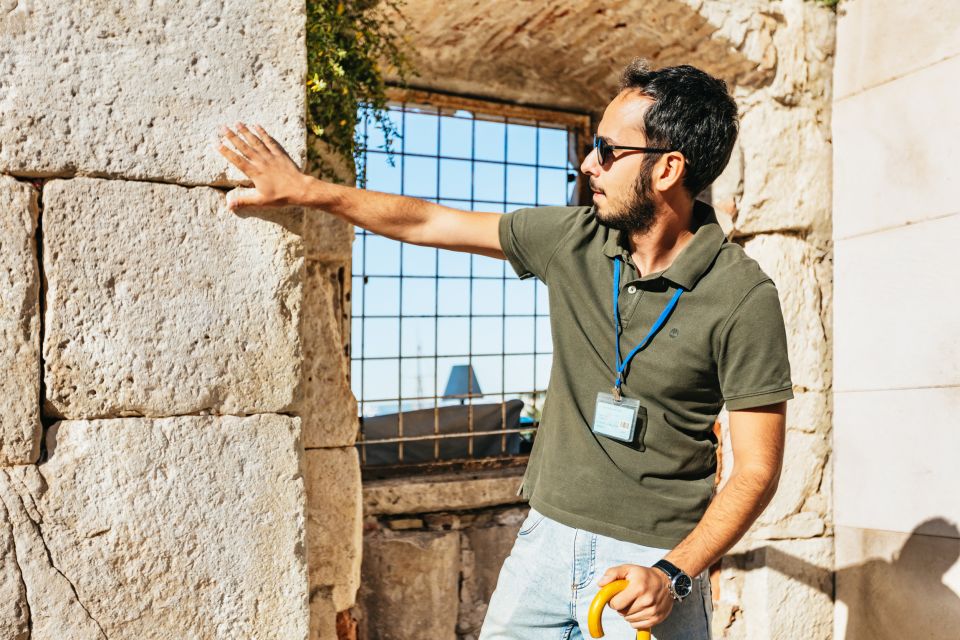
This tour can run from 90 minutes up to 5 hours, depending on start times and how you want to pace it. If you’re new to Split, I’d plan for at least 2–3 hours. That gives time for the palace core plus the civic squares and harbor segments without rushing.
If you’re short on time and want the highlights, 90 minutes can still work because the route is designed around major landmarks. But you’ll likely have fewer moments for questions, photo stops, and “wait, explain that again” curiosity.
If you do have the time, the longer end can be ideal. You’ll feel less like you’re sprinting from stone to stone and more like you’re building a story as you go.
Price and value: what $117 for up to 2 covers
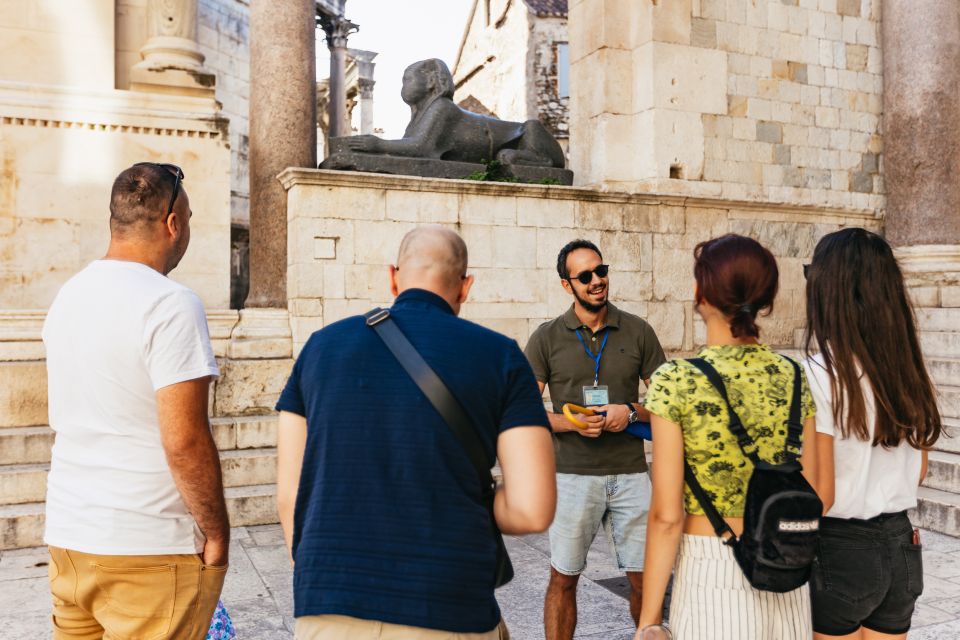
The price is $117 per group for up to 2 people. That pricing structure can be genuinely good value if you’re traveling as a couple, on a family mini-bubble, or you simply want one guide for your questions.
Here’s the practical way to think about it: private tours cost more than shared group options, but you’re paying for fewer bottlenecks—less time lost to crowd navigation, and more time where you actually want it. A 90 minutes to 5 hours range also helps because you can tailor how much you squeeze out of the experience.
The tour includes a professional local guide and taxes/fees, so you’re not juggling add-ons mid-walk.
Guides make the difference: Vinka, Slavko, and Antonia
One of the most praised aspects is the guide quality and how personal the experience feels. I’d put special attention on the names that keep showing up in positive experiences: Vinka, Slavko, and Antonia.
- Slavko is praised for being born and raised in Split and for helping people get historical perspective while avoiding huge tour groups for a more comfortable private flow.
- Antonia stands out for answering questions and taking extra time when needed, with a clear passion for Split’s architecture and the palace’s place in history.
- Vinka is specifically recommended as excellent and professional.
If you’re booking, treat this as more than a generic tour. The guide’s approach can turn Diocletian’s Palace from intimidating ruins into a story you can actually follow.
What to bring (and what to expect on foot)
Come prepared for a walking route through ancient stone, open areas, and city streets. Wear comfortable shoes—seriously, don’t plan to do this in fashion sneakers. Bring sunglasses and a sun hat, especially during warmer months.
Expect real city walking: you’ll move between palace spaces and open squares, with standing and short climbs/uneven surfaces typical of an old city core. That also explains why it’s not suitable for wheelchair users.
If you prefer minimal walking, this is where you may feel the strain. But if you enjoy purposeful strolls with a guide, it’s exactly the right format.
Who should book this private Split walk
This tour is a strong fit if you want:
- A private guide who can slow down for questions and customize your route
- A clear connection between Diocletian’s Palace and the living city around it
- Key highlights like St Duje without getting lost in a maze of “where do we go next?”
It also works well for the whole family, since the pacing can be adjusted for different energy levels. If you’re traveling with teenagers, the quick Game of Thrones Museum stop can be a friendly bridge into older history.
Skip it if:
- You need wheelchair access
- You hate walking in heat or bright sun
- You want a long indoor museum-style experience rather than an on-foot city story
Should you book this Split private walking tour?
If you’re aiming to understand Split instead of just collecting photos, I think this is worth it. Starting at Golden Gate, then moving into the palace core and finishing with St Duje, gives you a logical flow that makes the city’s layers easier to read.
Book it if you value private pacing, strong guiding, and a route that connects the Roman world to medieval and later Split in a way that feels human. If you’re okay with walking uneven old streets and you show up with comfortable shoes and sun protection, you’ll leave with a clearer sense of how Diocletian’s Palace still runs the city’s show.
FAQ
How long is the Split private walking tour with Diocletian’s Palace?
The duration can be 90 minutes to 5 hours, depending on availability and how the pace is set for your group.
Where do we meet for the tour?
You meet at Golden Gate (North Gate of Diocletian Palace), Split. Look for your guide with a blue umbrella.
Is this a private tour or a shared group?
It’s a private group tour, so you’ll have your own professional local guide.
What language(s) is the tour guide available in?
The tour guide is available in English, German, Spanish, and French.
What are the main sights included?
Key stops include Golden Gate, the Diocletian’s Cellars, Peristil, the Cathedral of Saint Domnius (St Duje), and the Vestibul, plus city squares and the Riva promenade area.
Is the tour suitable for wheelchair users?
No. The tour is not suitable for wheelchair users.
What should I bring for the walk?
Bring comfortable shoes, sunglasses, and a sun hat.
How much does the tour cost for a group?
The price is $117 per group up to 2.
What is the cancellation policy?
You can cancel up to 24 hours in advance for a full refund.