REVIEW · SPLIT
Split: Old Town Guided Bike Tour with Poljud Stadium
Book on GetYourGuide →Operated by Given2FlyAdventures · Bookable on GetYourGuide
Split from the saddle feels personal and fast. This guided bike tour strings together Old Town legends, big seaside views, and a real sports stop at Poljud Stadium, with a beer break to end it right.
I love how the ride is led with real care for the group pace. When my guide example is Ante, he stayed thoughtful during the uphill stretches and didn’t rush people, which made the whole experience feel relaxed even when the terrain got steeper.
I also love the mix of places you might skip on your own: the cliff viewpoints over islands, then the stadium tour that lets you see Hajduk Split’s fan culture from the inside. The one drawback to plan for is the biking has hills, so if you have mobility limits or struggle with steep climbs, this tour probably won’t fit.
In This Review
- Key highlights worth planning for
- Riding Split’s Old Town: legends, lanes, and the feel of daily life
- Sustipan Park and the Adriatic views you’ll actually remember
- Marjan Hill and Forest Park: hidden stops, real variety
- Poljud Stadium tour: more than a soccer stop
- The local pub finish: Croatian craft beer, low-pressure and friendly
- What you’re really paying for: value in a 3.5-hour guided loop
- Who should book this bike tour in Split
- Who should skip (or choose a different plan)
- Practical ride tips so the day feels smooth
- Should you book this tour?
- FAQ
- How long is the bike tour in Split?
- How much does the tour cost per person?
- What’s included in the tour price?
- Where do I need to meet, and when should I arrive?
- Is the tour in English?
- Is there a beer tasting, and who can participate?
- Can the tour start time change?
- What should I bring, and what can’t I wear?
- Is this tour suitable for people with mobility impairments?
Key highlights worth planning for
- Old Town stories on stone streets with a guide who connects sights to local life
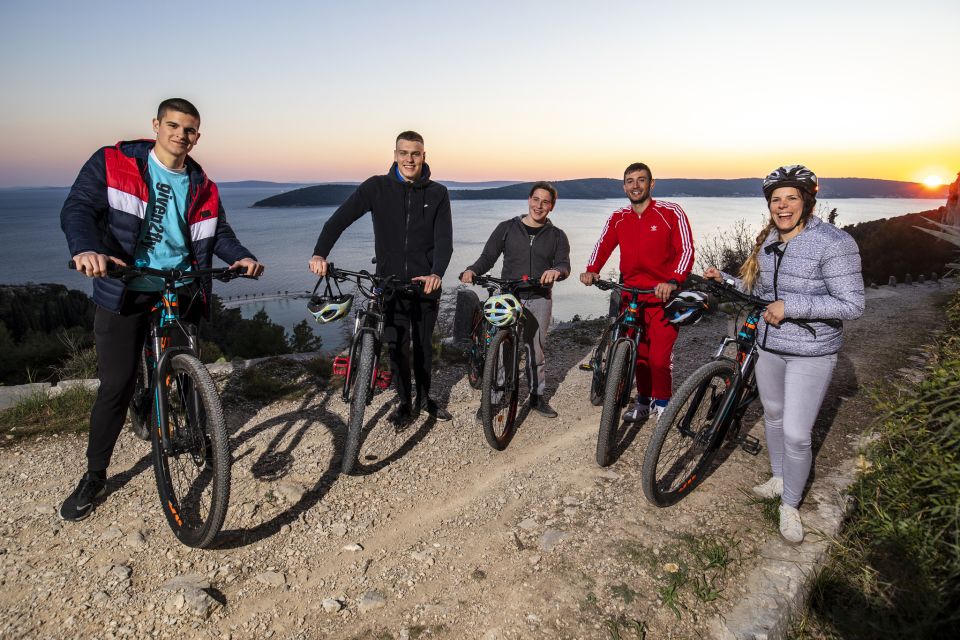
- Marjan Hill and cliff overlooks across Čiovo, Brač, and Solta
- Marjan Forest Park riding with chances to spot churches, galleries, and beach views
- Poljud Stadium guided visit in the seashell-shaped arena with Hajduk context
- Beer at the local pub with a soft-drink option for under-18 guests
- Everything you need to ride including bike, helmet, and licensed guiding
Riding Split’s Old Town: legends, lanes, and the feel of daily life
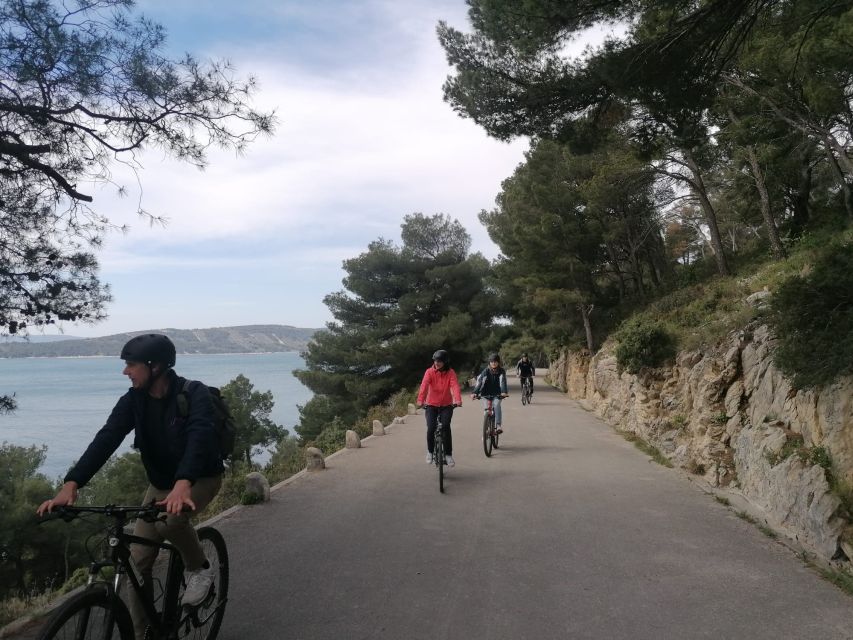
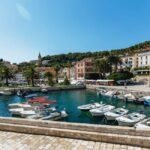
Your tour kicks off in Split’s city centre, where the streets turn into that classic stone-lane maze. The big win here is that you’re not just rolling past sights. You’re moving through the Old Town the way locals experience it: close-up, on foot-level, with buildings that feel pressed in and stories that grow out of the spaces themselves.
You’ll start with history and local legends as you pedal. That matters because Split’s Old Town can look like a museum from a distance, but on the ground it’s something else. It’s a working neighbourhood with history layered into everyday corners, from facades and alley angles to the way people gather.
One smart thing about a guided format is the flow. You get a logical arc from dense Old Town streets toward the city’s outlook points. That keeps your energy for the day instead of wasting it wandering for the “right view” on your own.
You can also read our reviews of more cycling tours in Split
Sustipan Park and the Adriatic views you’ll actually remember
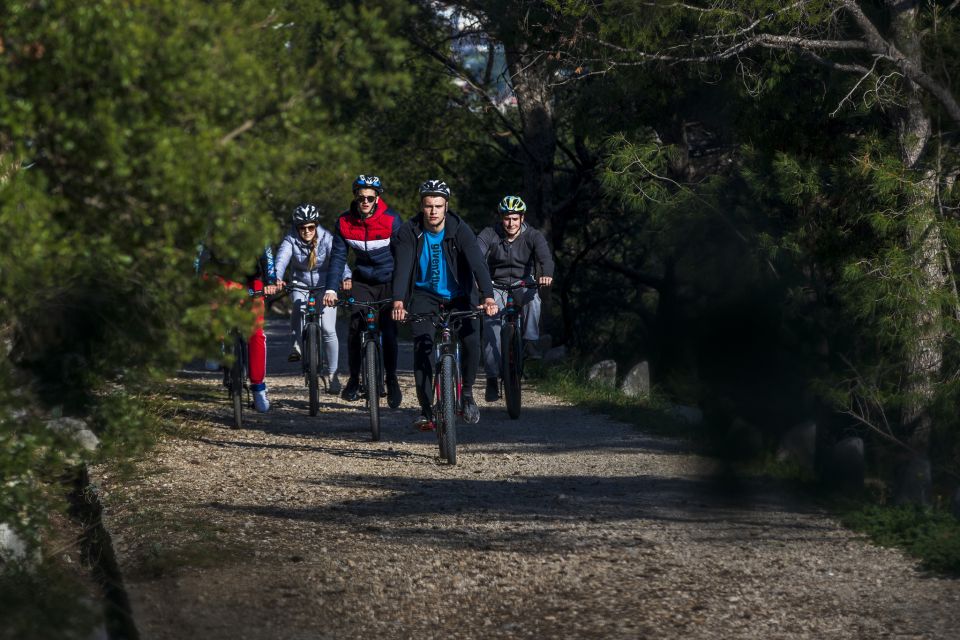
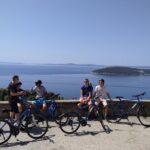
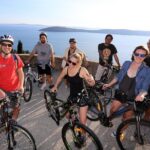
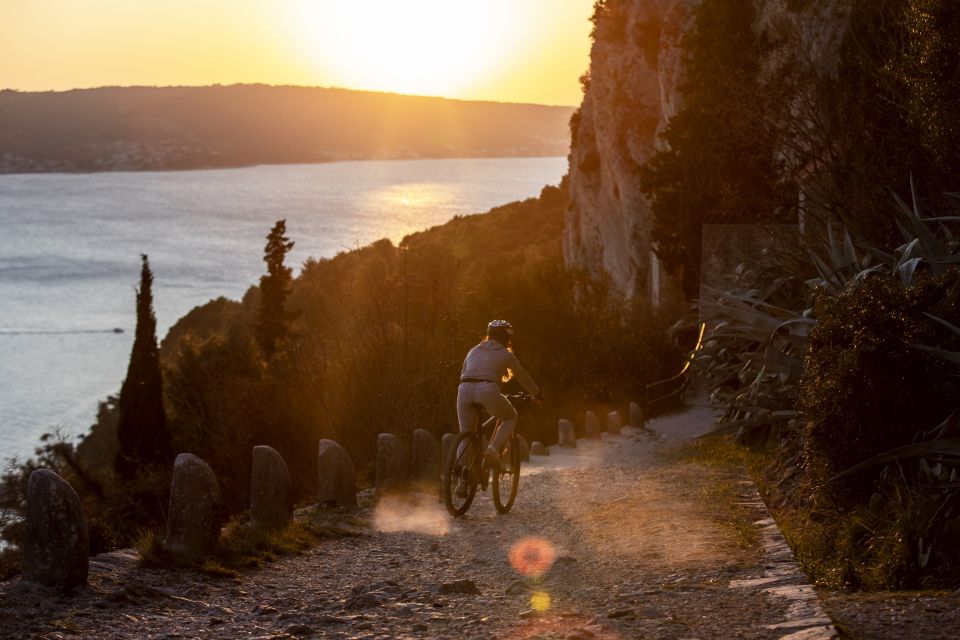
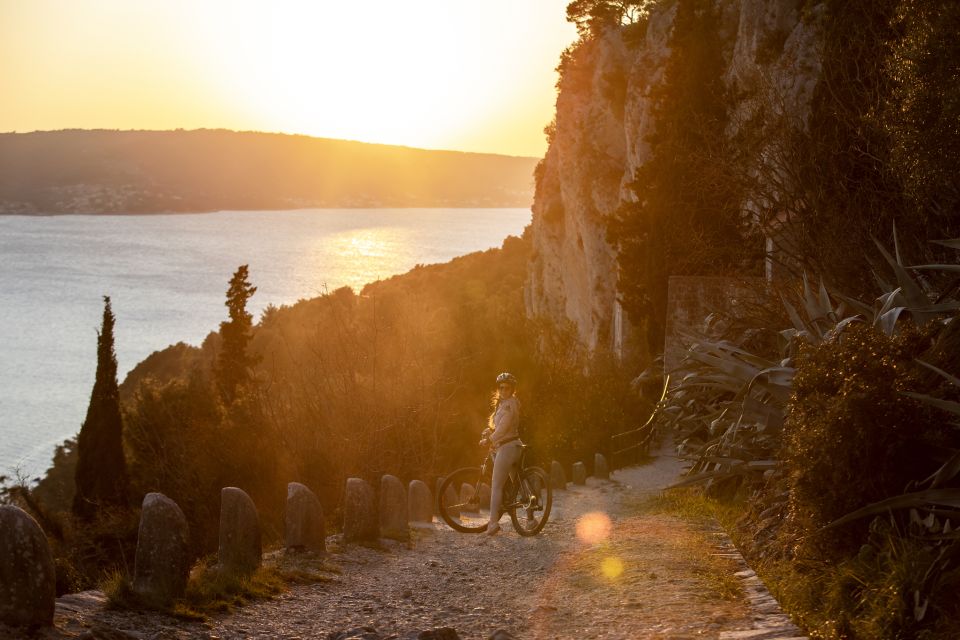
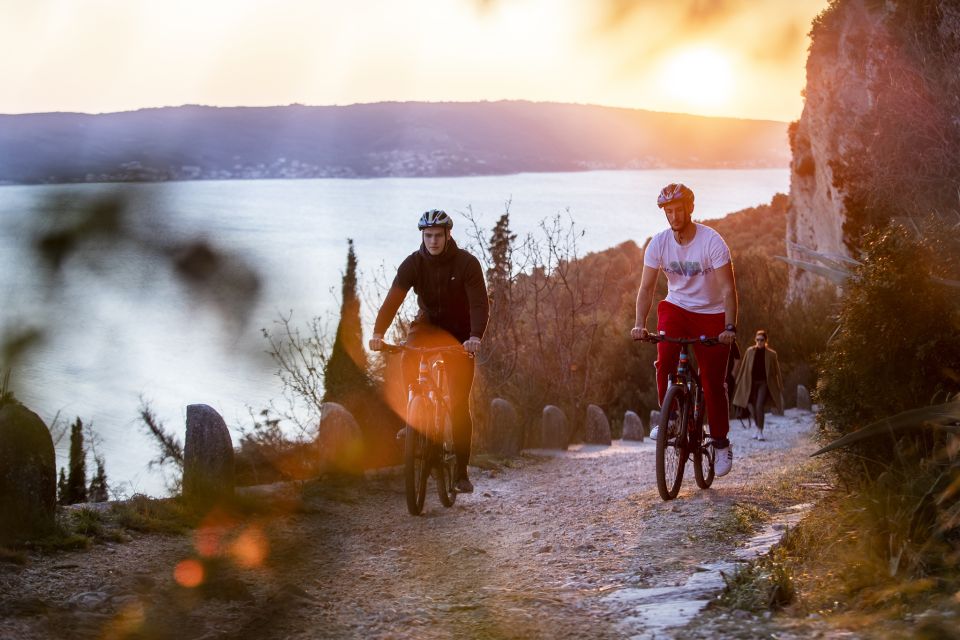
After you work your way out from the centre, the route climbs toward Sustipan Park. This is where the tour earns its reputation for scenery: you’re up on steep cliffs above the Adriatic, with panoramic views out across nearby islands.
Expect to see the islands of Čiovo, Brač, and Solta framed across the water. If you’ve only seen Split from the waterfront promenade, this angle changes the story. The sea becomes a backdrop you can measure and orient yourself with, and the coastline starts to make sense geographically.
The stop itself is a reset. You’re out in open air, the kind of place where you’ll naturally pause, look longer, and take photos that feel different from the typical “postcard” shot. It’s also a good moment to catch your breath before you start moving downhill through the next area.
Marjan Hill and Forest Park: hidden stops, real variety
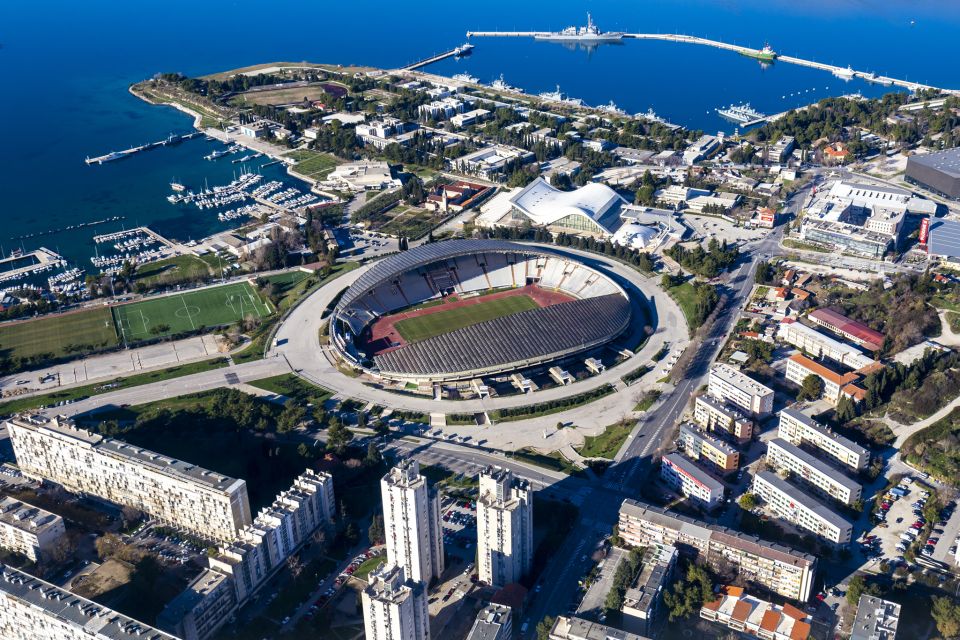
From the cliff viewpoint zone, you ride back down through Marjan Forest Park. The name says “forest,” but what you’ll feel on the ground is more variety than you’d expect. This is a pocket of green and changing views that sit between the city and the sea.
The tour description calls out that you’ll uncover hidden sights along the way, including galleries, churches, and beaches. Even if you’re not chasing each individual attraction, the effect is the same: the ride doesn’t become a single long “look at the view” moment. It changes rhythm, so your brain stays interested.
Here’s how I’d think about this section for planning: Marjan is where you get the payoff for riding a bike tour instead of doing a standard walking loop. You cover distance without it feeling like a workout marathon, and you get multiple small moments that would be hard to stitch together solo. On a bike, you can check boxes quickly, but the guide keeps it from feeling like a checklist.
Also, the uphill/downhill mix is part of the charm. That’s why you’ll want to wear comfortable shoes and take the climbs at a steady pace. With a thoughtful guide like Ante, the pace tends to be managed for the group, which can make the difference between a fun challenge and a stressful one.
Poljud Stadium tour: more than a soccer stop
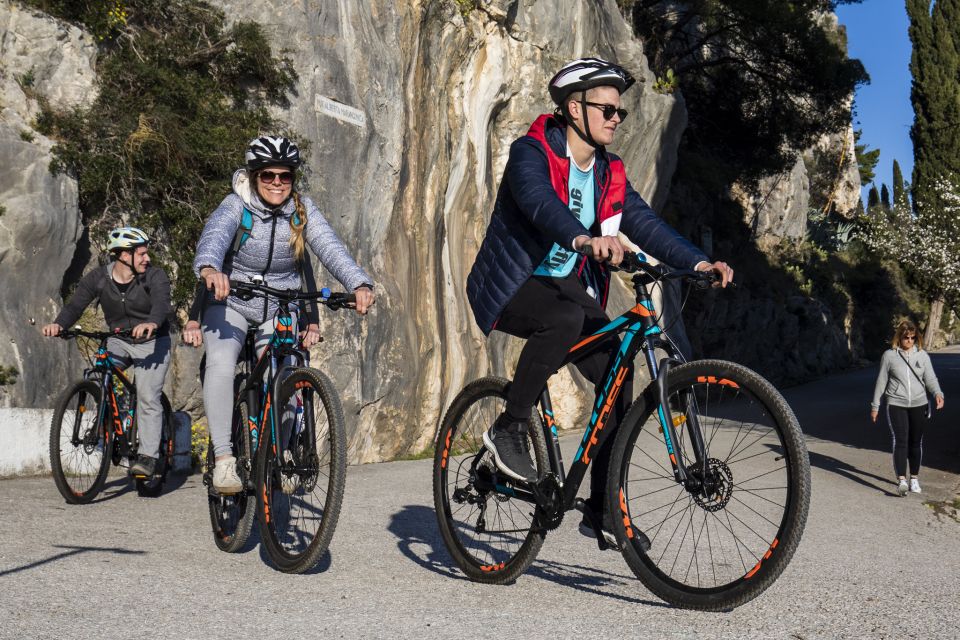
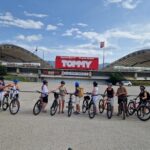
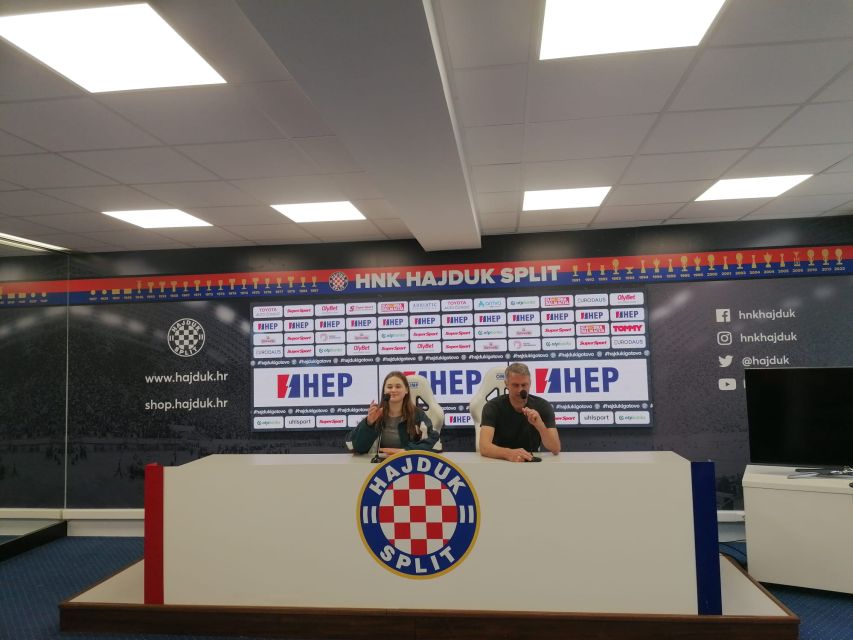
Then the day shifts gears. Bikes come to a halt, and you get into Poljud Stadium, home of Hajduk Split.
Poljud has a very distinct shape, often described as seashell-like. Even without getting technical, you’ll feel the arena’s identity right away: it’s built for atmosphere, with angles that influence how crowds sound and move. The guided tour is where the stadium stops being just architecture and becomes culture.
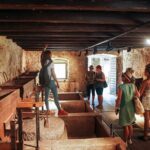
You get a guided walk around the stadium areas with tickets included, plus context about the club’s history and the fans. This is the section that soccer lovers tend to rate highest, because it connects matchday energy to real place-based details.
If you’re visiting Split as a non-soccer person, you can still enjoy it. The focus isn’t just results or trophies. It’s how a local club becomes a social symbol, and how supporters shape the meaning of a stadium. One family-friendly highlight from a guide-led experience: the stadium tour landed well with kids, too, because it’s concrete and visual, not abstract.
The local pub finish: Croatian craft beer, low-pressure and friendly
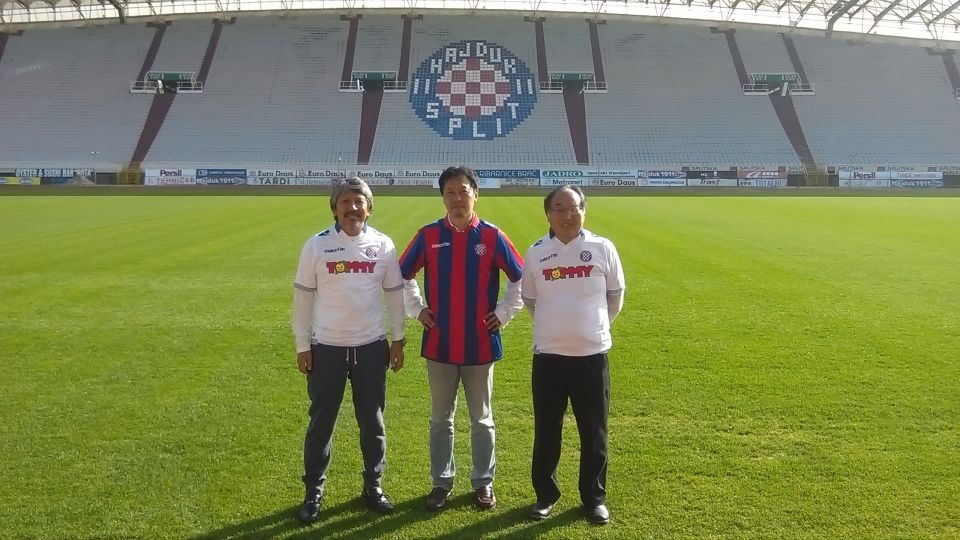
After the stadium, your tour ends at a local pub for a beer tasting. The best part is it feels like a natural landing spot rather than an awkward sales stop. You’re already in the right zone for a chill end to a physically active day, and you can talk with your guide about what you saw.
Croatian craft beer is the focus here, and it’s included. If you’re under 18, you’re not stuck sitting out—there’s an option for soft drinks.
One practical tip: pace yourself. You’ve been riding for a while and you may have worked through hills. Enjoy the beer, but keep it as a proper wind-down, not a sprint to the finish.
You can also read our reviews of more guided tours in Split



What you’re really paying for: value in a 3.5-hour guided loop
At $106 per person for about 210 minutes, this isn’t a budget tour, and that’s okay. The value is in three bundled experiences that would be harder and more time-consuming to piece together alone:
1) Bike + helmet + licensed guide so you’re not managing gear and route decisions
2) Poljud Stadium guided visit with tickets so you’re getting context, not just walking in blind
3) Included beer so the last part of the day is handled
The time length matters too. Three and a half hours is enough to cover real ground in multiple zones—Old Town, viewpoint areas, park riding, then stadium—without turning the day into an all-day commitment.
You’re also covered with accident insurance, which is reassuring when you’re riding on streets and dealing with changing surfaces. It won’t remove every risk, but it adds comfort for a bike-based activity.
My honest take: for a short stay in Split, this price can make sense because it compresses high-impact stops into one planned afternoon.
Who should book this bike tour in Split
This tour is ideal if you want a structured way to see Split without turning the day into a navigation project.
You’ll probably enjoy it if:
- you like guided stories and want context, not just photos
- you’re comfortable riding a bike with some hills
- you’re interested in both culture and sports
- you want a viewpoint moment that includes real island views
It’s especially good for families who want a paced experience. In at least one group, the guide handled hills thoughtfully even with a younger rider, which suggests the tour can work when the guide is attentive and the group stays together.
Who should skip (or choose a different plan)
This isn’t recommended for people with limited mobility. Even if you can walk short distances, the biking portion and steep sections can be an issue.
Also, if you don’t like any kind of uphill riding, consider that the route includes steep climbs toward the viewpoint areas and then a ride back down. One family example mentions there weren’t e-bikes for that group, so don’t assume motor assist will be available for everyone.
If you’re recovering from injury or you know hills wipe you out, a walking-focused tour or a different type of sightseeing plan may feel better.
Practical ride tips so the day feels smooth
A few details will help you enjoy it more:
- Wear comfortable shoes. Cropped sneakers or sturdy walking shoes beat anything loose.
- Skip sandals or flip-flops; you’ll want grip for bike pedals and uneven surfaces.
- Bring sunglasses and a sun hat. Park sections and viewpoints mean open exposure.
- Plan to arrive early. You’ll fit your bike and helmet at the meeting point, so arriving about 15 minutes before start helps you avoid rushing.
- Expect timing changes. The starting time may shift based on Hajduk training sessions or matches, so keep your next plan flexible.
One more thing: since you’ll switch from biking to the stadium tour, it helps to keep your daybag simple. You don’t want to fight with straps while stopping and moving between areas.
Should you book this tour?
If you like your sightseeing with a little motion, this is a strong buy. You get Old Town storytelling, serious sea views from Marjan and Sustipan, and a Poljud Stadium visit that adds meaning beyond the soccer angle. The beer finish is a nice bonus that keeps the whole day from feeling too “tour-y.”
I’d book it when you have limited time in Split and you want a single guided loop that covers culture, scenery, and sports in one afternoon. I’d skip it if hills or biking are a stress point for you, or if mobility limits mean you can’t handle the pace.
If you do book it, look out for the kind of guide who manages the climbs calmly. When the guide sets that tone, the whole tour clicks.
FAQ
How long is the bike tour in Split?
The duration is 210 minutes.
How much does the tour cost per person?
The price is $106 per person.
What’s included in the tour price?
It includes the bike and helmet, a licensed tour guide, a guided tour of Poljud Stadium with tickets, beer at the local bar, and accident insurance.
Where do I need to meet, and when should I arrive?
You meet at the local supplier agency. Arrive 15 minutes before to get your bike and helmet fitted.
Is the tour in English?
Yes, the live guide provides the tour in English.
Is there a beer tasting, and who can participate?
There is a beer tasting. You must be 18 or over to enjoy the beer, but there’s an option for soft drinks instead.
Can the tour start time change?
Yes. The starting time can change depending on Hajduk training sessions and matches.
What should I bring, and what can’t I wear?
Bring comfortable shoes, sunglasses, and a sun hat. Avoid sandals or flip-flops.
Is this tour suitable for people with mobility impairments?
No. The tour is not recommended for people with limited mobility and is not suitable for mobility impairments.