REVIEW · SPLIT
Split: Private Food Tasting Tour
Book on GetYourGuide →Operated by www.splitwalkingtour.com · Bookable on GetYourGuide
Food in Split has a secret storyline. This private 2-hour tasting walks you through Dalmatian classics with a local guide and stops tied to where the ingredients really come from. I love how the route blends the Farmers’ and Fish Market feel with proper sampling, so you taste the food and learn why it matters in everyday Split life.
Two standout parts for me: first, you get lots of hands-on snacks (not tiny bites) like Soparnik, Dalmatian prosciutto with homemade bread, and salted anchovies—plus local wines, olive oil, and cheese. Second, the guide-led explanations make the stops feel like a mini culture lesson, with people such as Marta, Antonio, and Jakov setting the tone by sharing history and stories along the way.
One thing to consider is timing: if you’re trying to fit in other plans, ask how the wine part is handled, since some groups have experienced it as a separate later moment. Also note the tour isn’t set up for wheelchair users, and the minimum drinking age is 18.
In This Review
- Key moments worth planning around
- Starting at Golden Gate: quick, central, and easy to orient
- Farmers’ and Fish Market: the tastings start before you even sit down
- The snack lineup: what you’ll taste and why it’s worth your calories
- Green Market stops: how your guide turns shopping into a story
- Chocolate with a Guinness World Record: dessert becomes a mini quest
- Oldest pastry shop: end with sweets that feel earned
- The walking pace and what 2 hours feels like in real life
- Price and value: does $176 for up to 2 make sense?
- Who this tour suits best (and who might want another plan)
- My booking call: should you book Split’s private food tasting?
- FAQ
- How long is the Split private food tasting tour?
- Where do we meet the guide in Split?
- What does the tour include for food and drink?
- Is this a private group tour?
- Is wine included, and are there age restrictions?
- Is hotel pickup included?
Key moments worth planning around
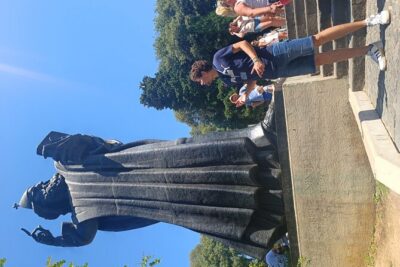
- Golden Gate meet-up that keeps things simple: you start by the bronze Gregory of Nin statue area, and it’s easy to find the guide with a blue umbrella.
- Green Market plus Fish Market in one flow: you see how Split sources produce and seafood before you start eating.
- Dalmatian classics you’ll actually recognize: Soparnik, prosciutto, Arancini, almonds in sugar, and more.
- Chocolate stop with a Guinness World Record: one stop turns dessert into a conversation starter.
- An older-than-you-think pastry shop: you end with sweets that feel deeply local.
- Easy pace for a 2-hour tour: it’s not a marathon, but you still get good coverage.
Starting at Golden Gate: quick, central, and easy to orient
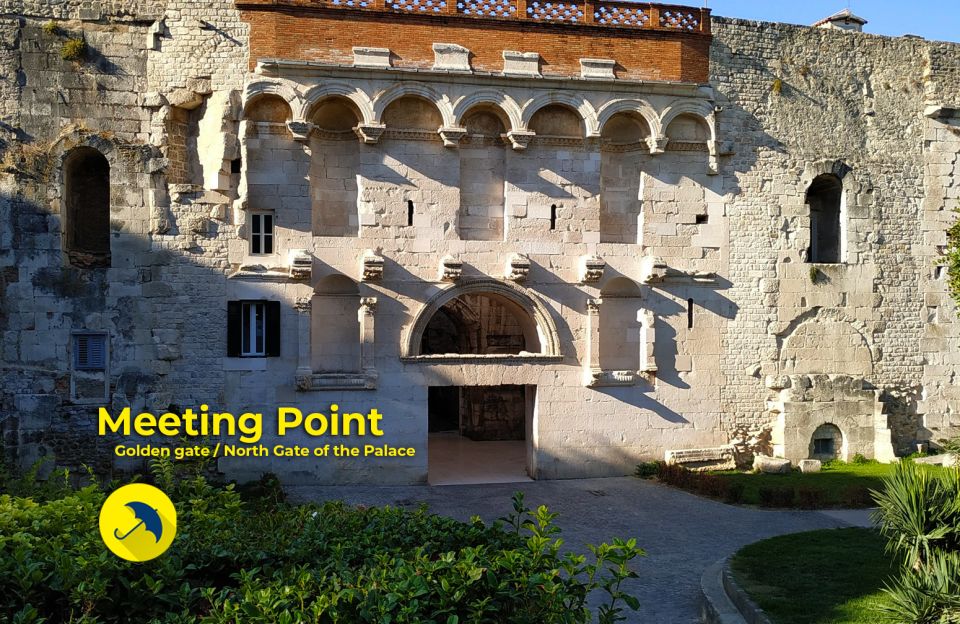
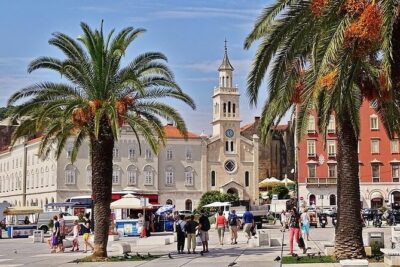
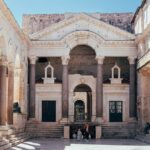
The tour begins right by the Golden Gate of Diocletian’s Palace, down the stairs from the bronze Gregory of Nin statue. That matters more than it sounds. Split’s old center can feel like a maze, and starting here helps you get your bearings fast before you fall into food mode.
Finding your guide is straightforward: look for someone holding a blue umbrella. I like this style of meeting point because it keeps you from wasting time texting, searching, or guessing which group is yours.
This is a short tour—about 2 hours—and the structure is built around walking in a practical, “eat as we go” rhythm. You’re not trekking across the city; you’re moving between key tasting stops in the historic core.
You can also read our reviews of more food & drink experiences in Split

Farmers’ and Fish Market: the tastings start before you even sit down
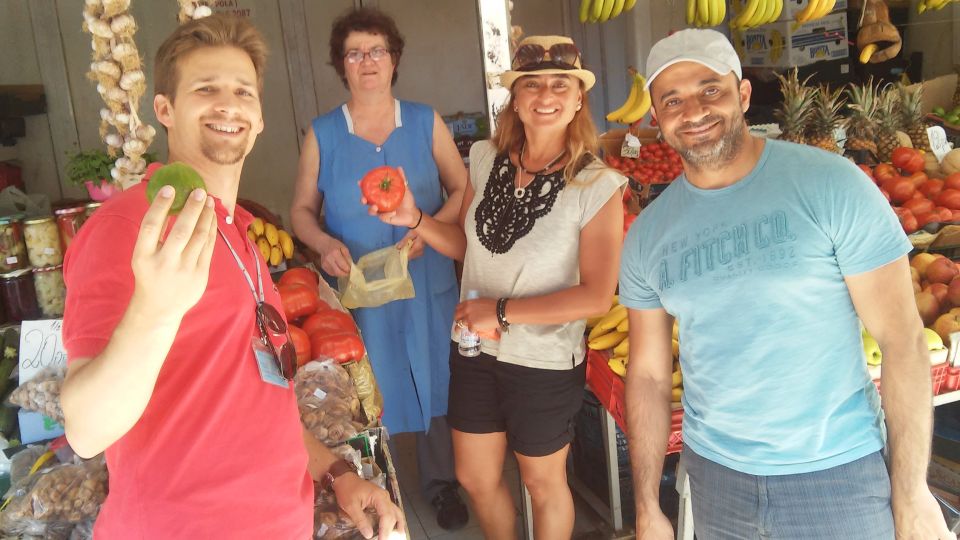
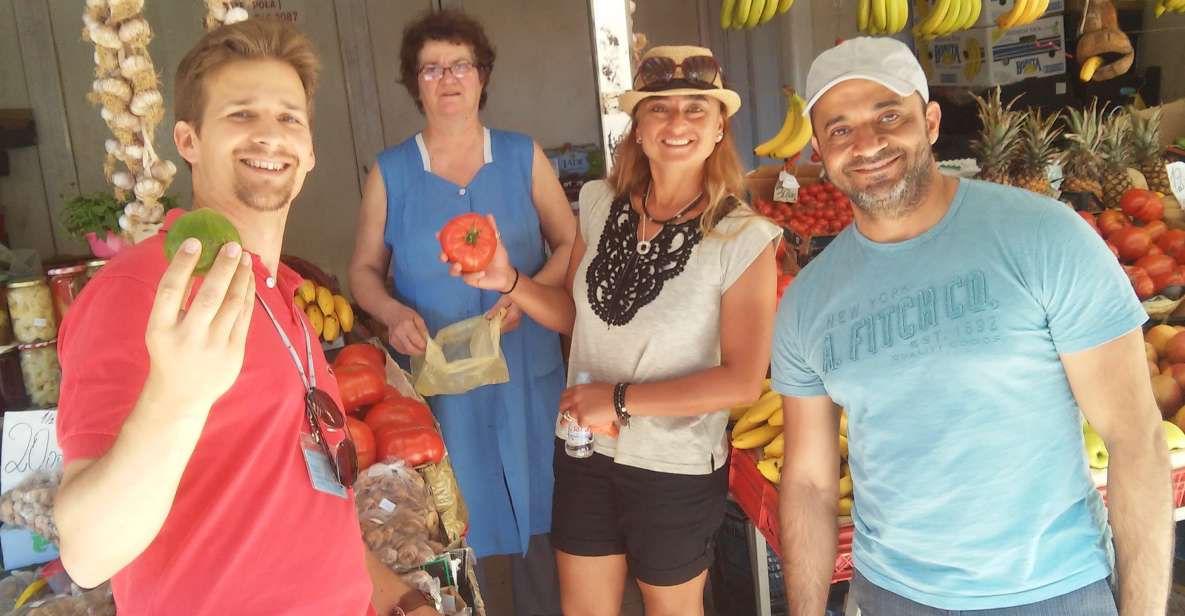
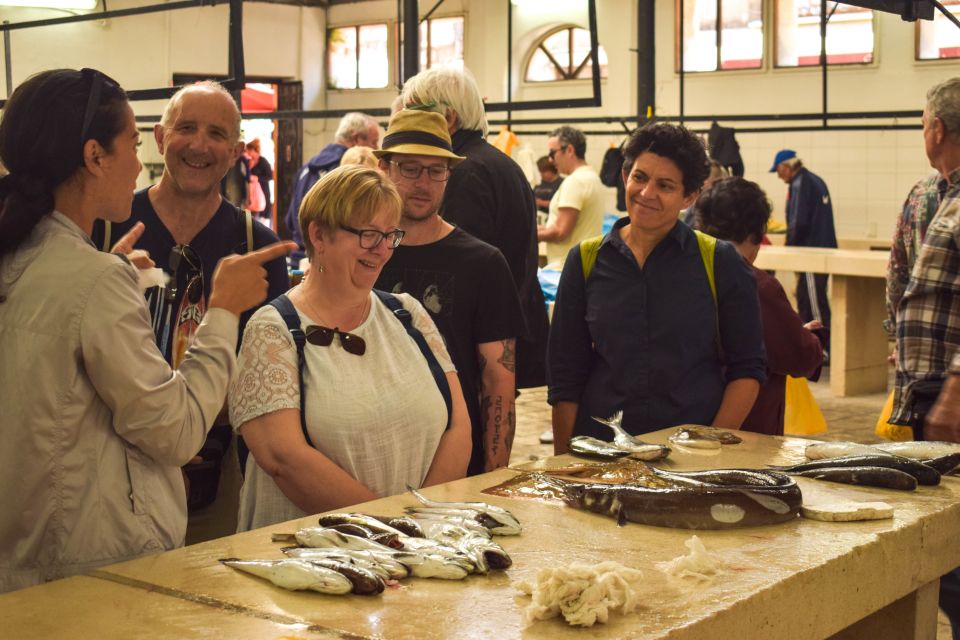
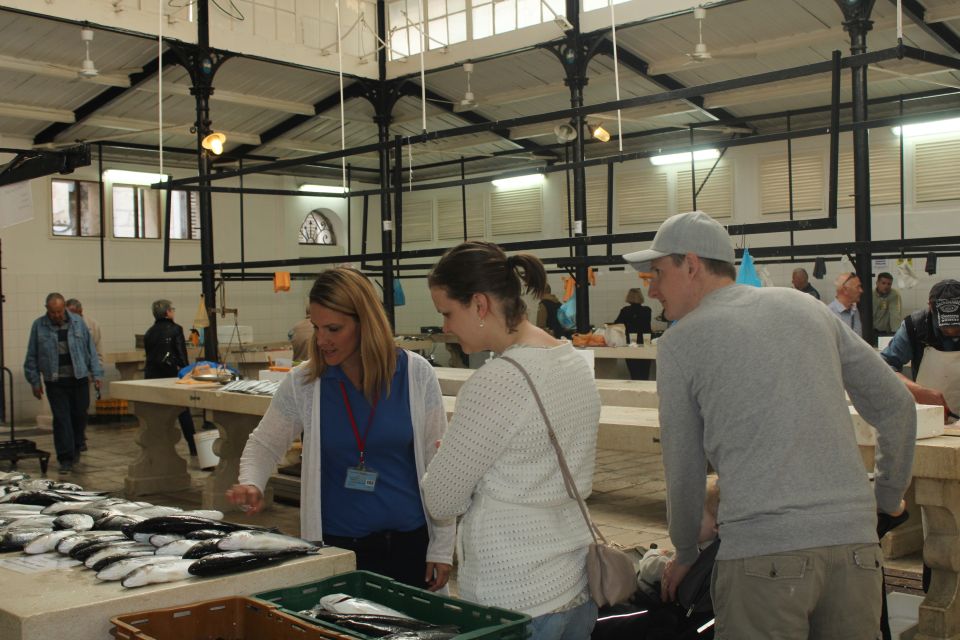
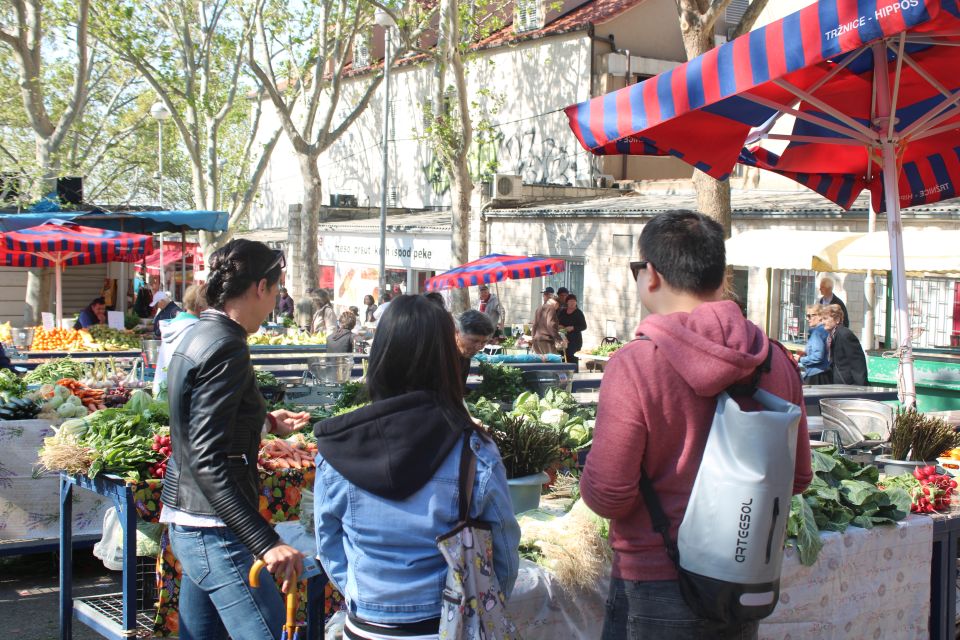
One of the best ways to understand Dalmatian food is to start where ingredients change hands. Here, that happens through the Farmers’ & Fish Market experience, where your guide helps you connect what you see with what you’ll taste next.
At the fish counter area, you get a real sense of how seafood is part of daily life in Split. The goal isn’t just to look—it’s to understand how fish is traditionally used and prepared, then translate that into what you sample. You’ll also see the produce side through the market’s vegetable offerings, which helps explain why so many Dalmatian plates lean on simple, high-quality ingredients.
You’ll come away with more than a list of foods. You’ll start recognizing flavor logic: what works together, what gets used often, and how local taste preferences show up in snack form.
The snack lineup: what you’ll taste and why it’s worth your calories
This tour is built around Dalmatian staples you can’t really fake from a menu. You’re not just doing a “try a few things” strategy—you’re working through foods that are part of Split’s regular rhythm.
Here are some of the standouts included in the tastings:
- Dalmatian prosciutto with homemade bread
This is the classic salty-meets-simple comfort combo. The homemade bread is a clue: these snacks aren’t designed to be fancy. They’re designed to be eaten well—often, quickly, and with good company.
- Soparnik
A signature spinach-forward pastry (often with a savory profile). It’s the kind of food that instantly shows how Dalmatian cooking uses straightforward ingredients and turns them into something memorable.
- Salted anchovies
Salty, briny, and very much a “this is how locals like it” type of bite. If you like bold flavors, this one hits.
- Cheese and almonds in sugar
Sweet and savory are both represented, which makes the tasting feel balanced rather than stuck in one direction.
- Arancini
A familiar form for many visitors, but the Dalmatian version fits the local snack culture.
- Olive oil and local wines
You’re tasting the supporting cast, not only the headline items. Olive oil shows up as both flavor and tradition.
Your guide’s job here is crucial: they connect each snack to its place in the region, so you understand what you’re eating beyond the basic description. People like Marta and Antonio stand out in particular for how they explain the history and cultural backdrop without turning it into a lecture.
Green Market stops: how your guide turns shopping into a story
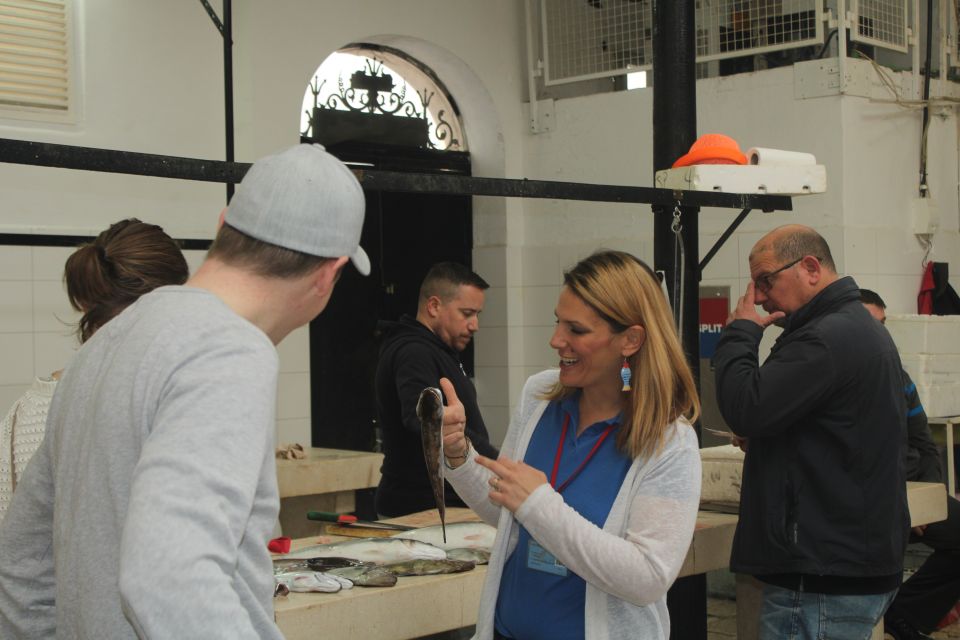
The Green Market section is where you start seeing how Dalmatian food is shaped by what’s available. Vegetables and herbs matter in this part of the cuisine, and it shows up in dishes like Soparnik.
This stop also helps you learn how locals think about freshness and seasonal comfort food. Even if you don’t plan to cook at home, it gives you a practical lens for future restaurant orders. Once you’ve seen what’s highlighted at the market, you’ll better understand why certain dishes show up again and again in Split.
Chocolate with a Guinness World Record: dessert becomes a mini quest
The tour includes a stop at a local chocolate shop that has a Guinness World Record connection. That detail matters because it gives the dessert stop more than just a sweet payoff.
Instead of feeling like a random candy break, this is a deliberate final-course transition—proof that in Split, even dessert has a place in local identity. It’s also a great checkpoint for your pacing. By this point, you’ve built up your appetite, and the guide’s stories keep the stop from feeling like a pit stop.
You can also read our reviews of more tours and experiences in Split


Oldest pastry shop: end with sweets that feel earned
You’ll also visit an old pastry shop—the type of place that feels like it has outlasted trends. The point of including this stop near the end is simple: you want your final taste to lock in the experience.
If you’ve been sampling savory bites (and you have), the pastry stop gives your palate a clean finish. You’ll leave with a better sense of how Dalmatian snacks often move from savory comfort to sweet closure.
This structure is one of the reasons the tour works well as an early “welcome to Split” experience. After two hours, you’re not just full—you’re oriented to the food culture.
The walking pace and what 2 hours feels like in real life
The format is designed so you don’t feel dragged. One of the most consistent positives about this experience is that it’s not too much walking, while still covering major tasting moments.
You should expect to move between stops inside the historic center, but the pace is meant to be comfortable. That’s a big deal if you’re also trying to see sights later that same day. A food tour should make your day easier, not harder.
Because the tour is private (price is per group up to 2), it also tends to feel more personal. You can ask questions without the “everyone yells at once” energy that can happen in bigger groups. That’s a quality-of-life upgrade, especially in a city where you’ll want to pause and take photos without losing the group.
Price and value: does $176 for up to 2 make sense?
At $176 per group (up to 2) for a 2-hour private tasting, you’re paying for a licensed English guide, market access as part of the route, and multiple tastings across several stops. The value is strongest if you’d rather spend your time sampling multiple specialties than piecing together meals on your own.
Think about what’s included: you’re not only getting snacks like Soparnik and prosciutto. You’re also tasting items such as olive oil, cheese, almonds in sugar, and local wines, plus visiting a Guinness-record chocolate shop and an older pastry shop. If you would normally pay separately for a guided market visit and a dessert stop, this pricing can feel reasonable fast.
And since the tour ends back at Golden Gate, it’s easy to keep your plans fluid afterward—grab coffee, browse the surrounding area, or continue exploring the palace complex on your own.
Who this tour suits best (and who might want another plan)
This tasting works especially well if you:
- want an easy first introduction to Dalmatian snack culture
- like market-style learning (see it, taste it, connect the dots)
- prefer a smaller, private feel with an English guide
- enjoy structured food stops rather than guessing where to go next
It may be less suitable if:
- you need wheelchair access (it’s not suitable for wheelchair users)
- you’re traveling with unaccompanied minors (it’s not allowed)
- you want alcohol-focused tastings but you’re under the 18 minimum drinking age rule
My booking call: should you book Split’s private food tasting?
I’d book this tour if you want the smartest “start here” option for Split food. The combination of market context plus classic snacks—ending with chocolate and pastries—keeps it varied in a way that feels genuinely useful, not just fun.
I’d double-check timing if you’re juggling other reservations, since the wine portion has been handled at different moments for some groups. Otherwise, the setup is simple: meet at Golden Gate, follow the guide with the blue umbrella, eat your way through Dalmatian staples for two satisfying hours, and walk off with a much clearer idea of what to order next in town.
If your schedule is tight or you want high value for two people, this is a good use of time in Split.
FAQ
How long is the Split private food tasting tour?
The tour lasts 2 hours.
Where do we meet the guide in Split?
Meet at the Golden Gate of the Diocletian’s palace, down the stairs from the bronze statue of Gregory of Nin. Look for a guide with a blue umbrella.
What does the tour include for food and drink?
It includes visits to the Farmers’ & Fish market, a local chocolate shop and pastry shop, and tastings of traditional Dalmatian snacks such as prosciutto, cheese, almonds in sugar, Soparnik, salted anchovies, plus local wines and olive oil.
Is this a private group tour?
Yes. It’s a private group experience, priced at $176 per group up to 2, and described as a small group tour.
Is wine included, and are there age restrictions?
Local wines are part of the tastings, and the minimum drinking age is 18. Children must be accompanied by an adult, and unaccompanied minors are not allowed.
Is hotel pickup included?
No. Hotel pickup is not included.