REVIEW · SPLIT
Split Diocletian Palace Highlights – Private walking tour
Book on Viator →Operated by Split Guide · Bookable on Viator
Old stones, quick answers, and one great palace.
This private tour is a smart way to see Diocletian’s Palace highlights fast, while still feeling like you’re walking through a living neighborhood. I like that the stops are timed for an easy pace along the Split Riva, then back into the palace spaces (from outside) that still serve real homes and shops. One practical plus: there’s no ticketing cost for the sights you view during the walk.
The main consideration is also the big format choice: you’ll view everything from the outside, so if you want to go inside museums or pay for interiors, this isn’t that kind of tour. Also, it requires good weather, so plan flexibility.
In This Review
- Key things you’ll notice on this tour
- A 90-Minute Private Walk That Makes Old Town Feel Legible
- Starting at Split Riva: Where the Day-to-Day Meets the Past
- Diocletian’s Palace: Not a Museum, More Like a Neighborhood
- Cellars and the Peristyle: Scale and Sacred Space
- Saint Domnius and the Temple of Jupiter: When Faith Rewrites the Room
- Gates That Lead to Markets: Silver Gate, Iron Gate, Golden Gate
- Triclinium and the Vestibulum: Dining and Private Space
- Tips for Getting the Most From the Route (Without Extra Cost)
- How Much Value Is $137.80 for This Highlights Tour?
- Should You Book This Split Diocletian Palace Highlights Tour?
- FAQ
- What is the duration of the Split Diocletian Palace highlights private walking tour?
- How much does the tour cost?
- Is the tour offered in English?
- Where does the tour start and where does it end?
- Are there entrance fees included for the sights?
- What’s included in the tour besides the walking guide?
- How big is the group?
- Do I get a mobile ticket?
- Is good weather required?
- Is there free cancellation?
Key things you’ll notice on this tour
- Small private group feel with a maximum of 6 participants (and an overall cap listed up to 10)
- No entrance fees paid on the walk since the sights are viewed externally
- A palace route that follows power, religion, and daily life, not random photo stops
- Gates leading straight to markets, so you get a real taste of how locals eat and shop
- English guide storytelling that connects the spaces you see to what they meant
A 90-Minute Private Walk That Makes Old Town Feel Legible
Split’s Old Town can look like one big maze of stone streets, alleys, and sudden squares. This tour is built to fix that fast. You get a clear path through key Diocletian Palace zones, with context for what you’re seeing as you pass it. The pace is practical: about 1 hour 30 minutes, so you’re not stuck “on tour” all day.
Price-wise, $137.80 per person can look steep until you factor in what you’re actually buying. You’re paying for a private, English-speaking guide, a small-group experience, and the value of not paying entrance fees for the sights you see. Since the tour is designed around outside viewing, you avoid the common cost trap of stacking multiple tickets for a short visit.
One more reason it works: you’ll get restaurant, bar, and leisure recommendations as part of the experience. That matters because Split is full of places to eat, but not all of them are equally good or good for your schedule. I like tours that help you convert the walk into a better afternoon and evening plan.
You can also read our reviews of more walking tours in Split

Starting at Split Riva: Where the Day-to-Day Meets the Past
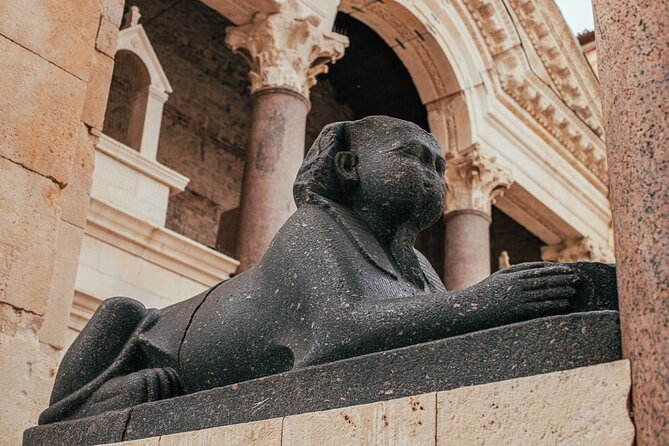
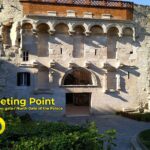
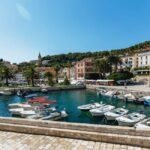
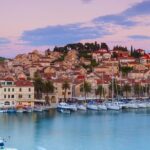
You meet at the model of the historical core of Split, near Obala Hrvatskog narodnog preporoda 23. From there, the tour begins at the Split Riva—the promenade where people mix for café breaks, sunset strolls, and the simple pleasure of being outdoors.
This first stop is more than a warm-up. It helps you set the orientation before you step into palace territory. You get the sense of “where you are in town” before Roman walls take over your view. It’s also a quick reality check: Split isn’t only ruins. It’s a working city with locals using the same public spaces you’re walking through.
Plan for a bit of sun. Even if you’re not a beach-tour person, this waterfront promenade is the kind of place where good weather changes the whole experience. If the skies are rough, the tour’s good-weather requirement becomes a real factor.
Diocletian’s Palace: Not a Museum, More Like a Neighborhood
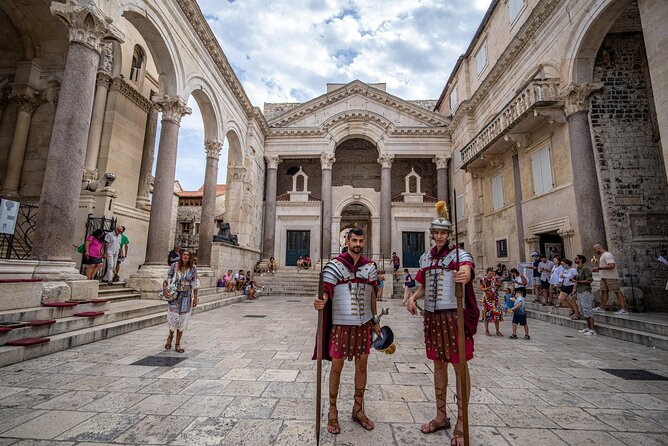
Next you move into Diocletian’s Palace. This is the heart of the experience, and it’s described in a way that clicks right away: the palace isn’t presented as a classic museum building. Inside the palace walls, you’ll find houses and stores, with daily activity continuing along the same ancient framework.
That single idea changes how you look at the walls. Instead of treating the palace as something distant and untouchable, you start seeing it as a container for life. As you walk (and as your guide points things out), you’re not just photographing stones—you’re understanding why the layout feels so permanent and why it still works for people today.
You’ll spend time here without paying entry fees, since the tour focuses on outside viewing only. That’s a great fit if your time in Split is short and you want maximum context per hour, not a long queue-and-ticket routine.
Cellars and the Peristyle: Scale and Sacred Space
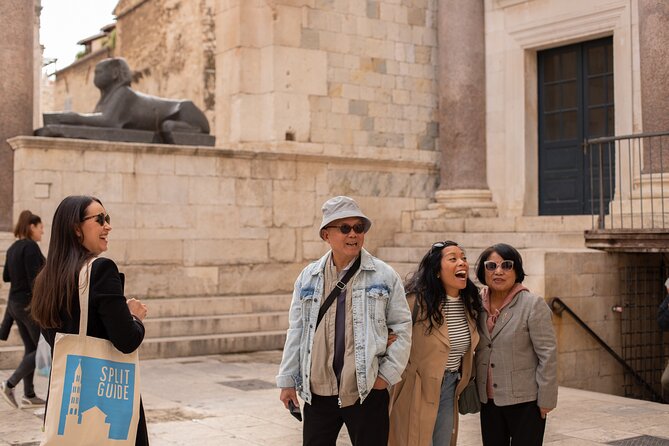
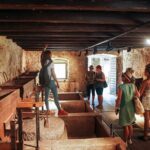
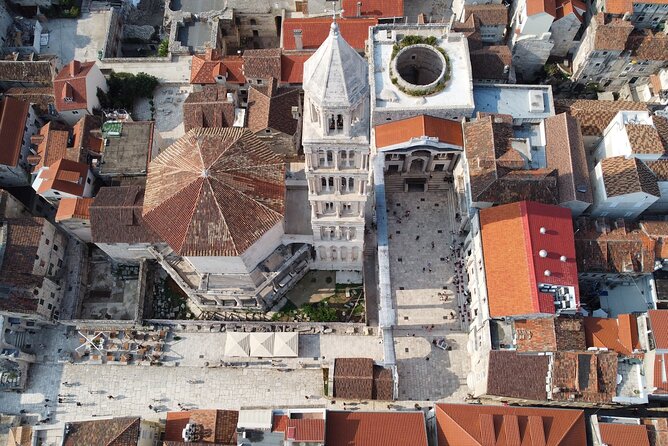
From the palace area, you head to Diocletian’s Cellars, entered through the south gate. These cellars are highlighted as very well preserved and over 1700 years old. Even if you’re viewing from outside, the size and solidity of this part of the palace gives you a quick sense of how the emperor’s complex was designed to last.
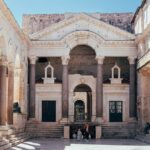
Then the route turns to the Peristyle, the sacral meeting place in Diocletian’s time. This is where the guide’s storytelling matters, because the point isn’t just “look at an open area.” The tour frames the Peristyle as a stage for power—Diocletian showing himself to subjects and being worshipped as the son of Jupiter.
I love that this stop is explained as a meeting-and-worship space. It makes it easier to understand why the layout feels formal rather than random. It also gives you a better mental map for the next religious layers you’ll see.
Saint Domnius and the Temple of Jupiter: When Faith Rewrites the Room
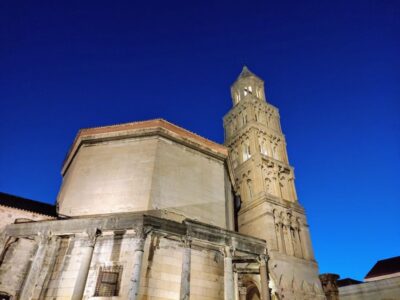
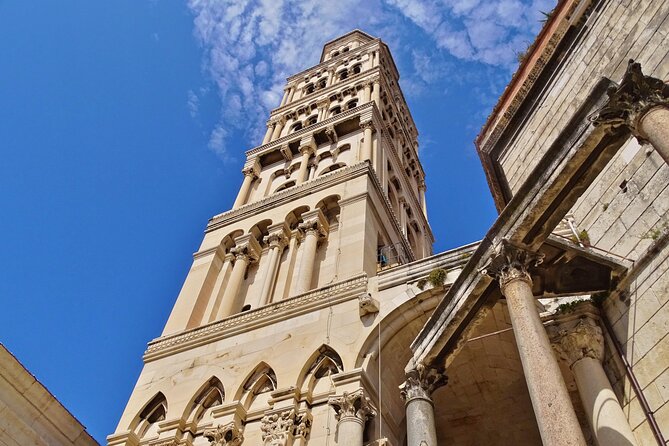
After the peristyle, you reach the Cathedral of Saint Domnius. The key idea here is the transformation: for a time, it served as the mausoleum of Diocletian. Later, during Christianization, the coffin and mortal remains disappeared, and the pagan mausoleum became a Christian cathedral.
You’ll look at it from the outside, with no entrance fee required. That’s still valuable because the cathedral’s presence inside palace space is the kind of historical shift that’s visible even without stepping in. You get the feeling that Split’s identity kept changing, but the walls stayed.
The tour then also includes the Temple of Jupiter, which is now a baptistery. Again, you’ll view it from outside, no entry fee. This is a clean way to see the theme repeated: ancient spaces adapting to new uses. If you like understanding how history layers instead of resets, these stops land well.
You can also read our reviews of more private tours in Split




Gates That Lead to Markets: Silver Gate, Iron Gate, Golden Gate
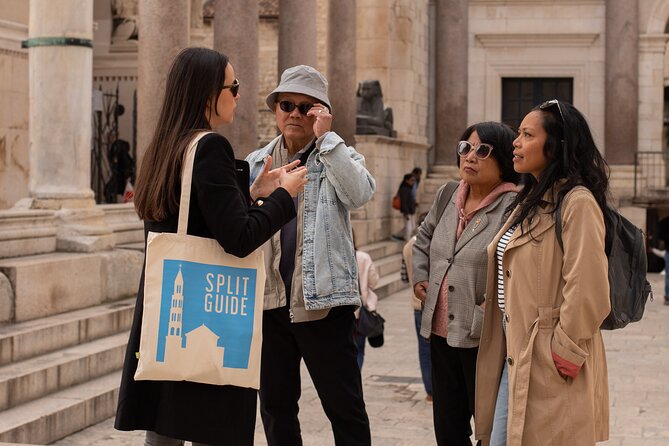
One of the most practical parts of the route is how it links “imperial architecture” to everyday shopping. You’ll pass the Silver Gate, described as the east gate of the palace. It was walled up several times over the centuries and reopened in the 1940s, and today it leads to the market where local products are offered.
That matters because it gives your walk a living ending. Instead of returning to your hotel with nothing to do but hunt for dinner, you have a real connection to where food and ingredients show up. You can also use this area as a guide for where to find a snack later.
The tour also includes the Iron Gate on the west side, explained as a double gate called Propugnaculum. The description goes further: in the space between the two gates, enemies could be trapped and hit with stones, arrows, and hot oil. It’s a vivid reminder that these spaces weren’t only for beauty. They were built with defense in mind.
Then you’ll see the Golden Gate, the north gate of Roman times. It’s framed as the most important gate then, with a road leading to Salona, the provincial capital. Finally, you circle toward Pjaca and the palace-side squares, plus the Green Market on the east side—where daily fruits, vegetables, and traditional foods are sold.
If you’re the type who likes to orient by food, these market-connected gates are a smart use of your time.
Triclinium and the Vestibulum: Dining and Private Space
The palace isn’t only public ceremony and defensive gates. It also has rooms tied to daily power and private life. The tour makes sure you get that angle.
You’ll visit the Triclinium, meaning dining room. The guide frames it around how Diocletian dined with guests, with Mediterranean dishes, local wine and fish, and honey as a popular ingredient. The story includes the scale of the meal—often up to 20 different courses in one evening.
Even if you’re not stepping inside, this kind of explanation changes how you picture the space. It helps you move beyond “cool ruins” into “how people actually lived in this world,” at least as far as the tour’s descriptions go.
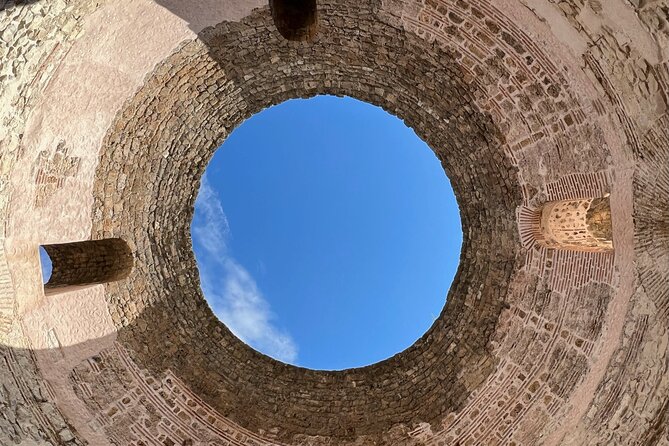
You’ll also pass the Vestibulum of Diocletian’s Palace, described as the entrance area to Diocletian’s private chambers. That stop gives you the human scale side of power: not just walls and plazas, but the approach to private spaces.
Tips for Getting the Most From the Route (Without Extra Cost)
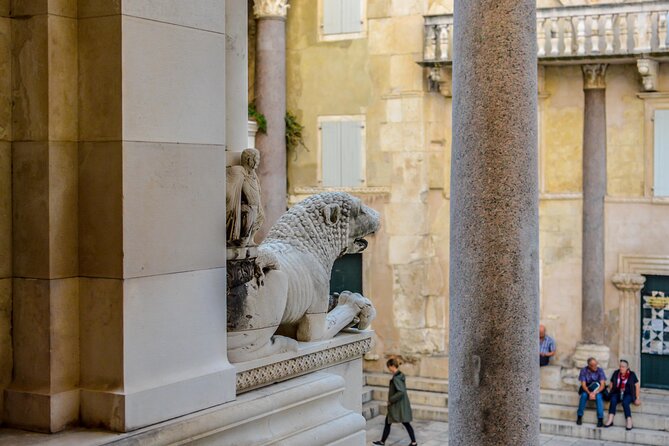
Because the sights are viewed from outside, your comfort matters more than your ticket strategy. Wear shoes you trust. The route moves through palace walls, gates, and squares—places that can be uneven and busy.
Also, time your pace with the tour structure. Each stop is short: roughly minutes, not half-hours. That means the guide has to do the heavy lifting with explanations, so try not to let your eyes wander too far while listening.
If you’re a photo person, you’ll like that the tour creates repeat “view points”—Riva first, palace core next, then gates and markets. You end back near the promenade area, so you can follow your guide’s last directions into a meal or drink without feeling rushed.
Finally, go easy on your expectations about interiors. This is a no-entrance-fee concept, and the trade-off is that you’re mostly seeing what you can from outside. If you want to go inside specific buildings, you’ll need to plan separate time or another ticket-based stop on your own.
How Much Value Is $137.80 for This Highlights Tour?
I’ll say it plainly: this price makes sense when you treat it as a guide + orientation tool, not as a ticket bundle. You’re paying for an expert English guide, a private format, and restaurant/bar/leisure recommendations that can improve the rest of your day.
It’s also good value when your time is tight. With about 1.5 hours, you can cover the Diocletian Palace highlights and understand how they connect—Riva framing, palace layout, sacred spaces, market-leading gates, and dining/private-room stories—without buying multiple entries.
And the review record is strong: a 5-star rating with 35 reviews and 100% recommendation. The standout praise is for the guide experience—Dana is specifically called out for sharing lots of history and stories, which is exactly what makes a tour like this feel more than a walk.
Should You Book This Split Diocletian Palace Highlights Tour?
Book it if:
- you want a clear, guided path through key Diocletian Palace areas in a short time
- you like history explained through real spaces—gates, markets, and buildings still used today
- you’d rather spend money on a private guide than on multiple paid entrances
- you want practical help after the walk, like where to eat and what to do next
Consider another option if:
- you want to go inside churches, temples, or other interiors, since this tour focuses on exterior viewing
- your plans are inflexible about good weather, since the tour requires it
- you’re traveling with someone who strongly prefers long stops at fewer sites (this route is structured for coverage)
If you’re trying to get your bearings fast in Old Town Split, this is one of the cleaner ways to do it: a small-group walk with strong storytelling, no entrance-fee surprise costs, and a route that naturally steers you toward the areas where locals shop and eat.
FAQ
What is the duration of the Split Diocletian Palace highlights private walking tour?
It runs about 1 hour 30 minutes.
How much does the tour cost?
The price is $137.80 per person.
Is the tour offered in English?
Yes, it’s offered in English.
Where does the tour start and where does it end?
It starts at the Model of the historical core of the city of Split, Obala Hrvatskog narodnog preporoda 23, Split, Croatia, and ends at Republic Square (Prokurative), 21000 Split, Croatia.
Are there entrance fees included for the sights?
No. The tour visits sights from the outside, and admission fees are not included.
What’s included in the tour besides the walking guide?
You get recommendations for restaurants, bars, and leisure activities, and the tour can be customized. It’s also designed as a small group experience.
How big is the group?
It’s designed for a group maximum of 6 participants, and the activity also lists a maximum of 10 travelers.
Do I get a mobile ticket?
Yes, it’s listed as a mobile ticket.
Is good weather required?
Yes. The experience requires good weather, and if it’s canceled due to poor weather, you’ll be offered a different date or a full refund.
Is there free cancellation?
Yes. You can cancel up to 24 hours in advance for a full refund. If you cancel less than 24 hours before the start time, the amount paid is not refunded.