REVIEW · SPLIT
Split: Olive museum Klis with Olive Oil Tasting
Book on GetYourGuide →Operated by Stella Mediterranea d.o.o. · Bookable on GetYourGuide
Olive oil can taste like music when you learn the rules.
At Stella Croatica, this tour turns a museum visit into a real skill: how to recognize extra virgin olive oil without guessing.
I particularly liked the way the guide walks you through the family estate and shows how everyday local plants become products. I also enjoyed the interactive tasting setup, where you learn what to look for before you taste two different olive oils labeled extra virgin.
One thing to consider: the museum experience is indoors, and some visitors may want to see bigger olive growing landscapes right on site. If you’re hoping for olive groves to stroll through, you might find the setting more compact than expected.
In This Review
- Key things to know before you go
- Stella Croatica: a family estate tour with real product work
- From herbs to natural cosmetics: what you’ll notice (and remember)
- Botanical collection and the Olive Oil Museum: the learning anchor
- How to recognize real extra virgin olive oil (without guessing)
- Concept store time: buying at factory prices (if you want)
- Timing, free time, and where the day can breathe
- Price and value: is $18 per person fair?
- Who this tour suits best (and who might not love it)
- Should you book the Olive Museum and Tasting in Klis?
- FAQ
- What is included in the Olive Museum and Olive Oil Tasting ticket?
- How many olive oils will I taste during the experience?
- What language is the tour offered in?
- Are food and drinks included?
- Is video recording allowed?
- Is there time to explore the area after the tasting?
Key things to know before you go
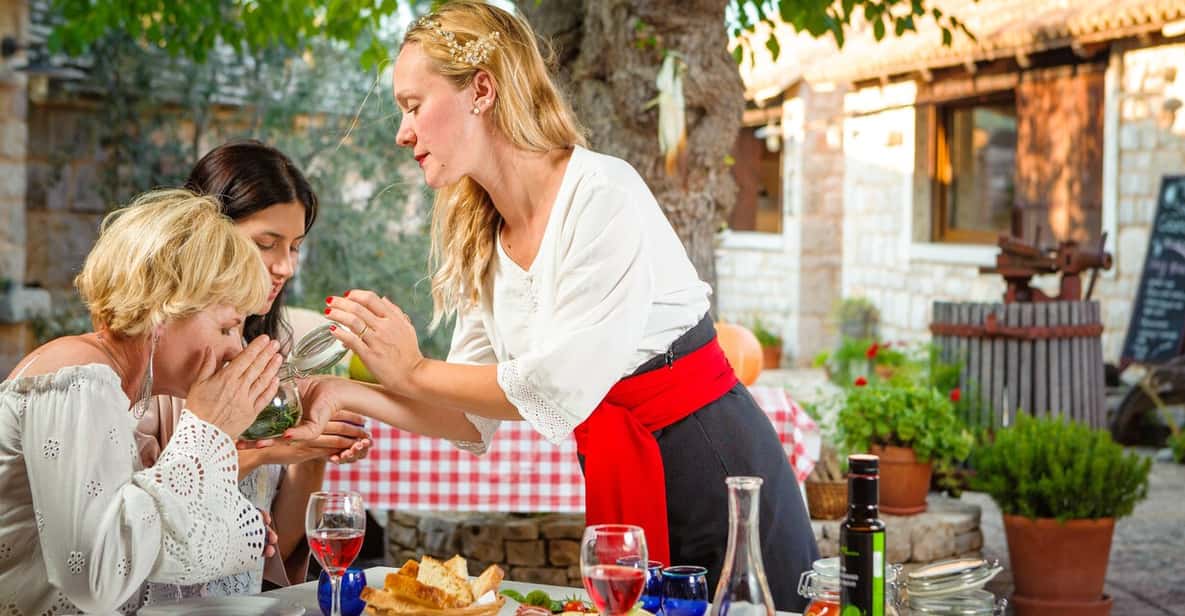
- A family-estate tour at Stella Croatica that connects herbs, food products, cosmetics, and olive oil
- 500 species in the botanical collection, giving you a fast education on what grows in Dalmatia
- Hands-on tasting basics for judging extra virgin olive oil like a professional
- Two extra virgin oils to compare, both presented as true extra virgin
- A museum highlight tied to its recognition as a 2023 European Museum of the Year finalist
- Shop time with factory-price buying for olive oils and related products
Stella Croatica: a family estate tour with real product work
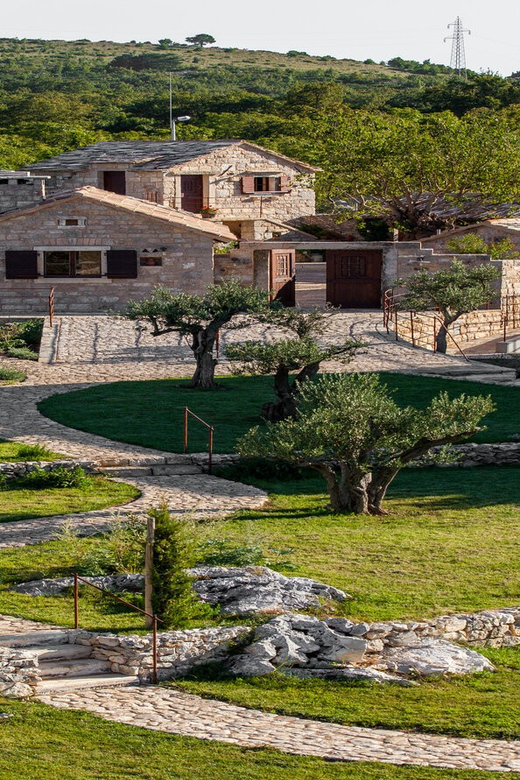
This is not a stand-and-stare museum stop. You start with your host at Stella Croatica, guided through a working family estate where traditional production is the main character. Plan on a straightforward, organized flow: meet your guide, then move from one product room to the next.
The early part of the visit focuses on how local ladies produce and pack traditional goods made from figs, almonds, oranges, and lavender. That matters because it shows the same theme you’ll see later with olive oil: local raw materials, old-style know-how, and a focus on consistency. It’s also a nice palate cleanser after lots of sightseeing days, because you’re seeing the making process instead of only reading about it.
Practical note: the experience is in English, and there’s a no-video rule (and no outside food/drinks). So come with comfortable shoes and keep your phone ready for photos only, not filming.
You can also read our reviews of more food & drink experiences in Split

From herbs to natural cosmetics: what you’ll notice (and remember)
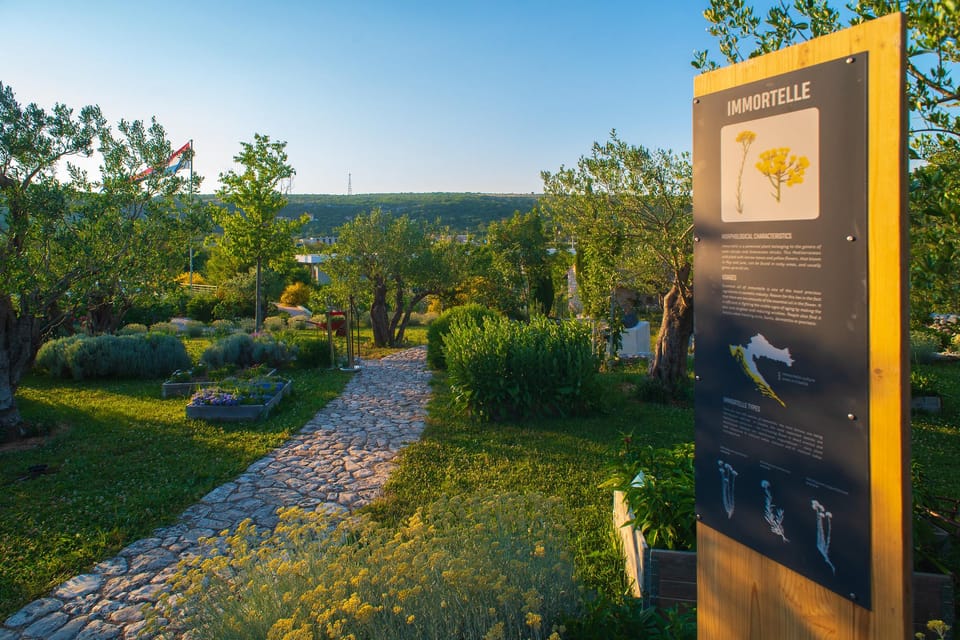
After the traditional product segment, you’ll move into the next layer of the estate story: herbs from Dalmatia and how they become essential oils and then natural cosmetics.
You’ll see how essential oils are extracted from typical Dalmatian herbs. Then the tour connects those extracts to cosmetics production, so the botanical walk later doesn’t feel random. It feels like a continuation—plants you saw conceptually become products you can understand.
This part is especially useful if you’re the kind of traveler who hates feeling sold to. Here, the talk is more about process than persuasion. You’re not just told something is natural; you’re shown the chain from herb → essential oil → cosmetic use.
And if you’re interested in scent, this is where the experience starts making sense beyond taste. Even if you don’t buy anything, you’ll leave with a better sense of why certain herbs are used in cosmetics and how that knowledge links back to the region.
Botanical collection and the Olive Oil Museum: the learning anchor
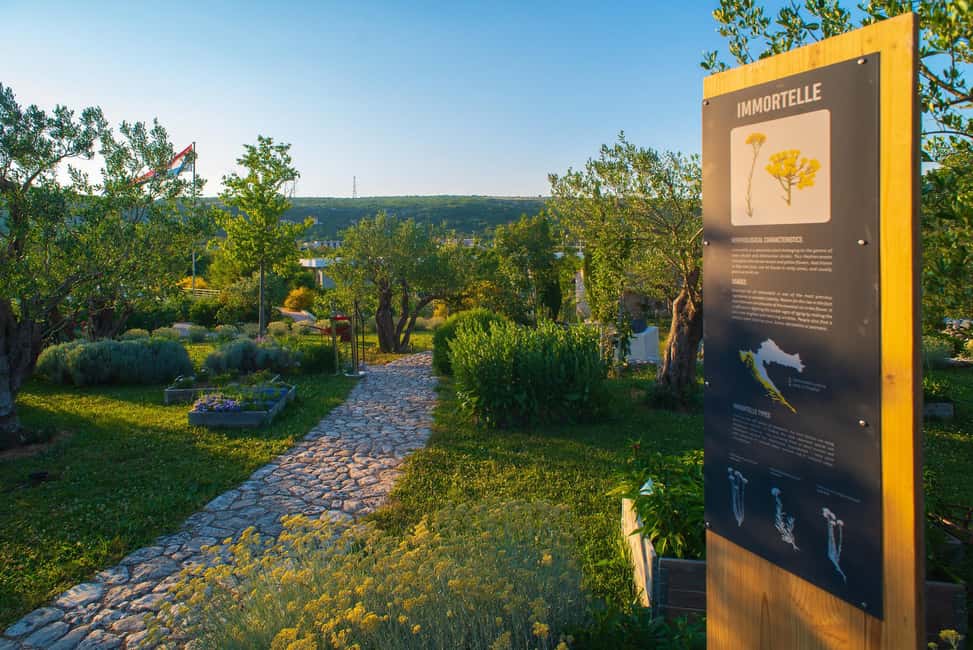
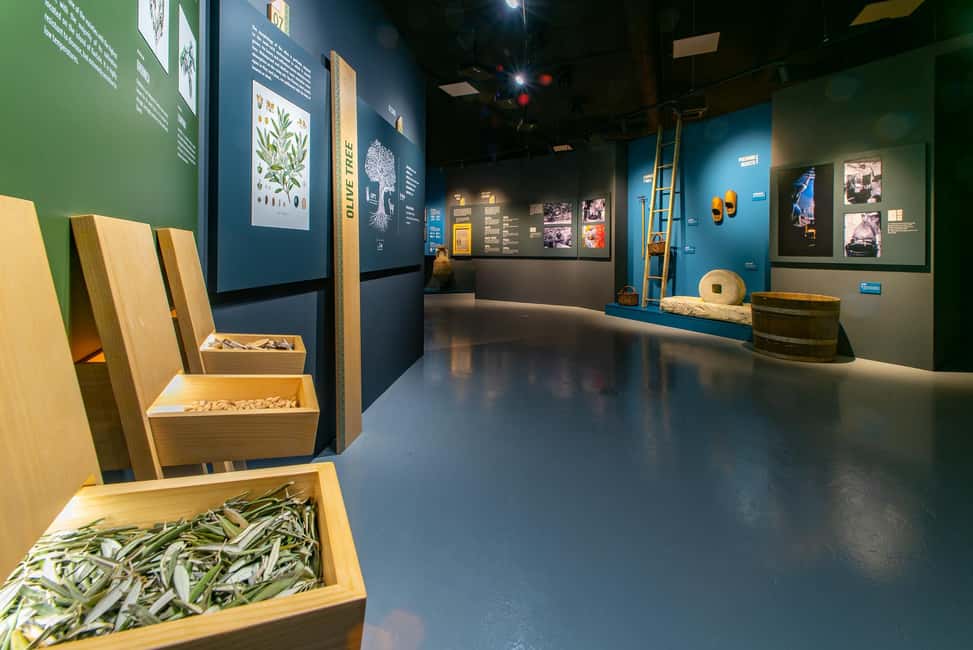
Next comes the botanical collection, described as featuring 500 species. That number can sound abstract, but in practice it’s a shortcut to understanding Dalmatia’s plant diversity. You’ll learn what some plants can be used for, which sets you up to appreciate what you’re about to see in the museum.
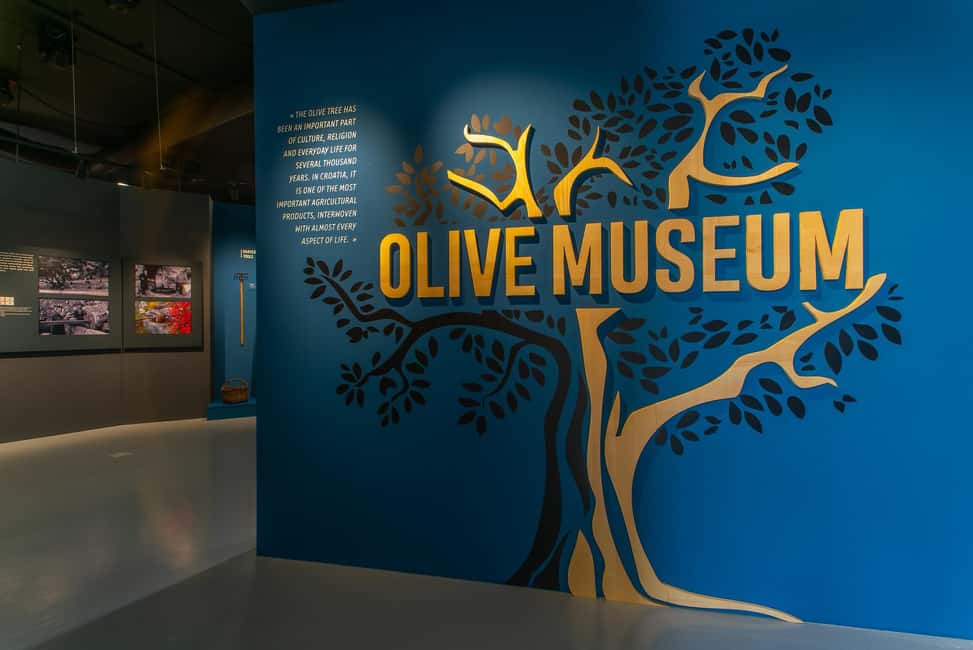
Then you enter the Olive Oil Museum, centered on the idea of Croatia’s “liquid gold.” It’s not just a history display—this museum is meant to teach how olives and extra virgin olive oil fit into Croatian life.
One reason I’d treat the museum seriously: it was a finalist for the European Museum of the Year Award 2023. When an attraction gets that kind of recognition, it usually means the presentation is more than decorative. Here, the museum supports the tasting goal, so you’re not jumping from one topic to another. It’s all pushing toward the same question: how to understand what real extra virgin olive oil is.
How to recognize real extra virgin olive oil (without guessing)
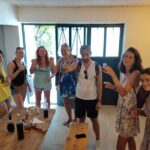
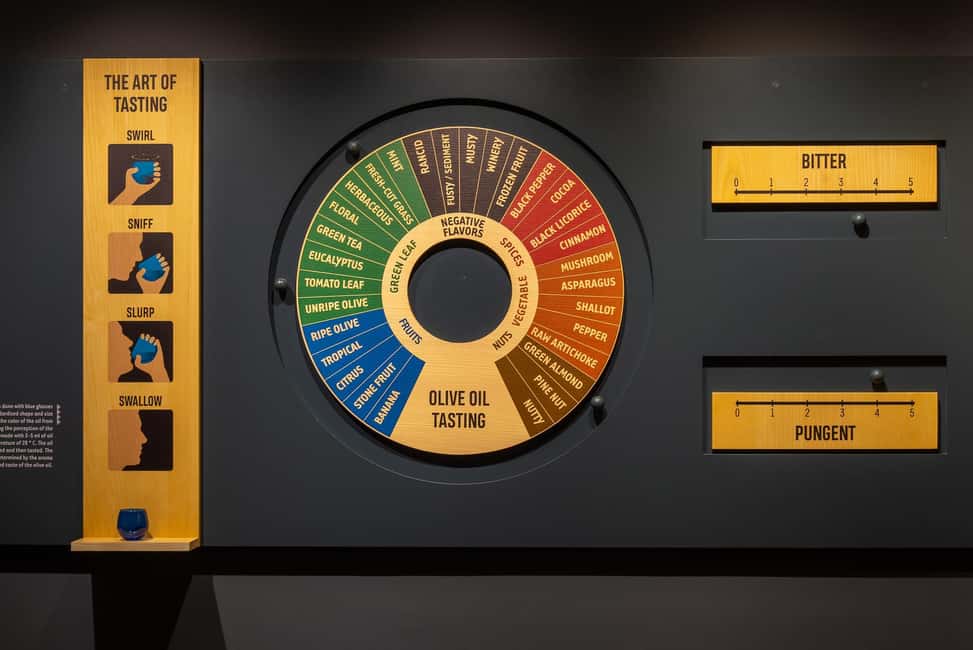
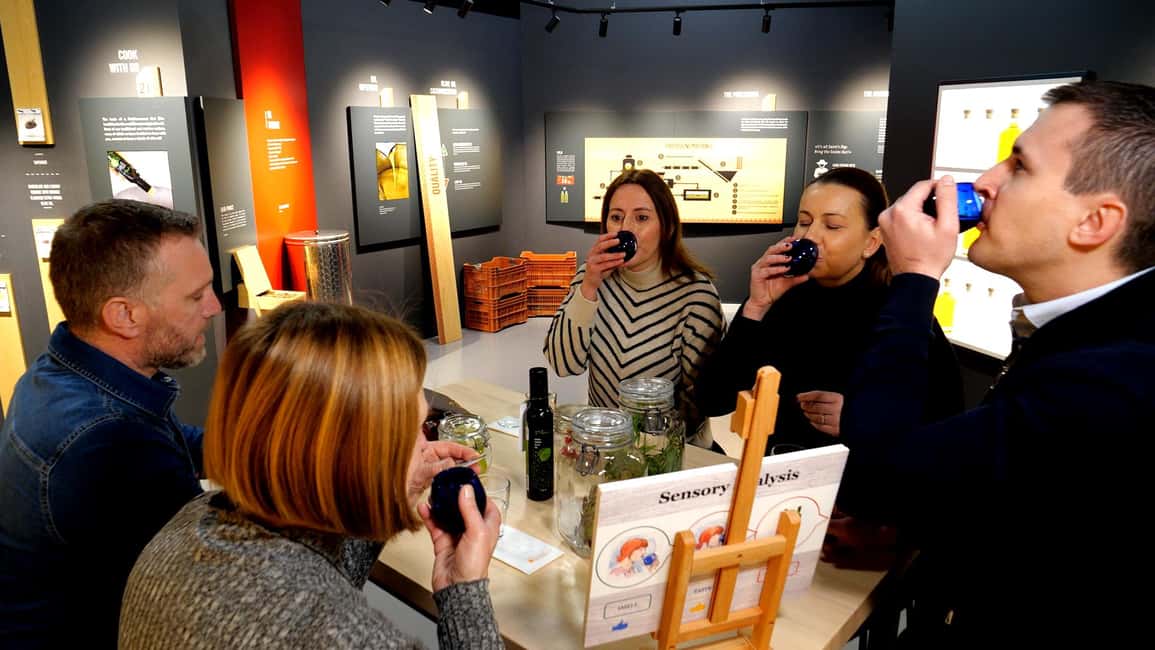
The tasting room is where this tour becomes genuinely valuable. You’ll be educated through an interactive experience designed to help you recognize extra virgin olive oil—then you’ll put that knowledge to work.
The format is straightforward: learn the basics first, then taste. You taste two different olive oils, and both are labeled as extra virgin. That setup is key. A lot of tastings feel like you’re tasting random products. Here, you’re comparing within the extra virgin category, so your brain gets the job done: noticing differences, not just declaring one taste good.
In a practical sense, this is the moment you start building a real shopping filter. You learn how professional tasters approach oil evaluation, not just how to identify what you personally like. It’s a skill you can use later when you’re standing in a store and wondering what to trust.
Also included: traditional sweets during the visit, plus testing natural cosmetics. Those small extras help balance the experience. When your brain is focused on taste, sweetness and texture can act like a reset, and the cosmetic testing ties the earlier herb material to real-world use.
Concept store time: buying at factory prices (if you want)
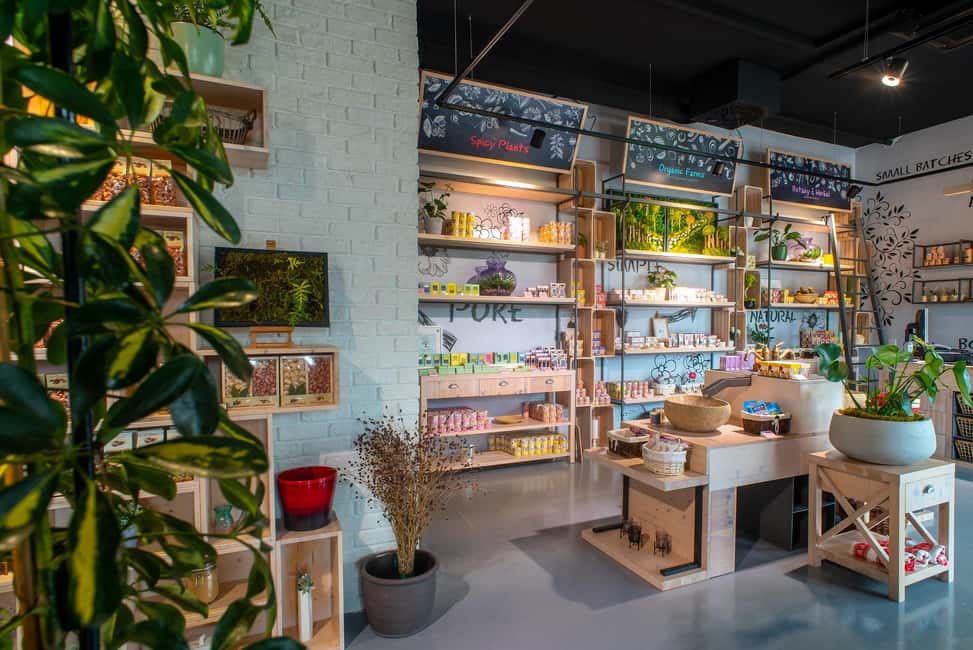
After the museum and tasting training, you’ll have time in the concept store. This is where the tour’s “value” shows up in a tangible way.
You’ll be able to taste and shop for handmade products linked to the estate’s theme. And the big selling point here is the pricing style: you can potentially purchase items under factory prices. That’s a meaningful advantage in Croatia, where imported olive oils and gift-shop versions can be overpriced once you’re far from production.
If you don’t want to buy, you can still benefit. Shopping time is useful because it lets you connect what you learned in the tasting room to what’s actually on shelves. You’ll be able to ask better questions and read labels with a bit more confidence.
If you do buy, I suggest keeping it simple: pick oils you tasted, and avoid bringing home ten types just to feel productive. The point of this tour is to teach you judgment, so make your purchases reflect that judgment.
You can also read our reviews of more museum experiences in Split





Timing, free time, and where the day can breathe
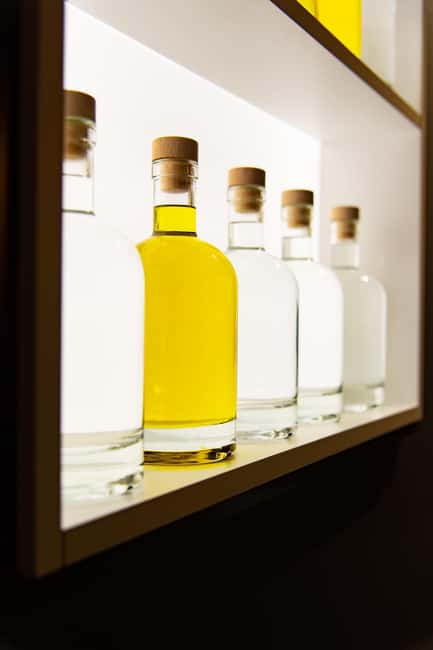
Your visit ends back at the meeting point, so you’re not left with a half-day mystery. And there’s a moment of freedom after the core experience: you can explore the park area or consider a traditional lunch.
That “free time” matters more than it sounds. Many tours pack learning into a rigid schedule, and then you’re rushed through the pretty parts. Here, you get some space to walk around after the tasting, when you might actually want to revisit the environment with fresh eyes.
What you’re likely to enjoy during that extra time is the calm after the learning. You’ll have a better understanding of what you’re seeing—especially since the botanical portion already primed you to recognize plants and uses.
Price and value: is $18 per person fair?
For $18 per person, this is strong value if you care about learning something you can use. You’re getting far more than entry to a museum.
Your ticket includes:
- admission to Stella Croatica and the Olive Oil Museum
- a guided tour
- tasting of two olive oils
- traditional sweets
- testing natural cosmetics
That combination is unusual. If you only wanted a museum, this would already be a reasonable price. But the tasting training is what makes the price feel efficient. Tastings elsewhere can cost close to that amount by themselves. Here, the oil education is bundled with the estate story and extra product elements.
Is it perfect value for everyone? Not necessarily. If you’re chasing scenic outdoor views and want to see olive groves right at the site, you may feel the museum portion is more interior than you hoped. But if your goal is education and practical takeaways, the cost is easier to justify.
Who this tour suits best (and who might not love it)
I’d recommend this for you if:
- you want a guided introduction to recognizing quality extra virgin olive oil
- you like tours where the learning connects to something you can buy intelligently afterward
- you enjoy herbs, botanical gardens, and the practical side of traditional production
It’s also a good option for families if your kids can handle a guided explanation. One family visit praised how clearly everything was explained to a nine-year-old, and the tasting format helped keep it engaging.
Who should be cautious?
- If you strongly prefer outdoor sights and expect olive trees and fields to be visible right on the property, you might end up wanting more scenery than this location provides.
- If you dislike museum-style explanations that feel slow or dry, the experience could vary based on the guide’s energy level. The tasting portion tends to land well, even when other parts don’t.
Should you book the Olive Museum and Tasting in Klis?
Book it if you want a short, structured experience that teaches you how to judge extra virgin olive oil, not just how to taste it. At $18, the value comes from the tasting training plus the broader estate context: herbs, botanical learning, and how olive oil fits into Croatian production culture.
Skip or reconsider if your priority is outdoor olive groves and dramatic landscape views at the site. This is an education-forward visit focused on the museum and tasting room, set within a working family property.
If you do go, come with one mindset: you’re going to learn how to compare oils. That’s the skill this tour gives you, and it’s the piece that makes the museum feel worth your time.
FAQ
What is included in the Olive Museum and Olive Oil Tasting ticket?
Your ticket includes entry to Stella Croatica and the Olive Oil Museum, a guided tour, tasting of two different olive oils (labeled extra virgin), traditional sweets, and testing natural cosmetics.
How many olive oils will I taste during the experience?
You’ll taste two different olive oils, and both are labeled as extra virgin.
What language is the tour offered in?
The tour is offered in English.
Are food and drinks included?
Traditional sweets are included, but additional food and drinks are not included.
Is video recording allowed?
No, video recording is not allowed.
Is there time to explore the area after the tasting?
Yes. After the experience, you’ll have free time to explore the park or have a traditional lunch.