REVIEW · SPLIT
Split Cooking Class
Book on Viator →Operated by Split Cooking Class · Bookable on Viator
Split’s best breakfasts end with lunch you made yourself. This morning cooking class pairs a green market and fish market ingredient hunt with real kitchen time led by chefs who’ve worked in Croatia’s top restaurants. If you like food that has a story, this is one of the easiest ways to connect to Dalmatian cooking without getting lost in a guidebook.
I love how the class starts with shopping. You’re not handed ingredients and sent off to watch. You pick what goes into the meal, then learn what to do with it. Chef Marin and Chef Željko (among others) are the kind of teachers who explain what they’re doing and why.
One thing to consider: you do a small amount of walking, and the market portion is part of the experience. If you want less walking, you can also choose the version without the vegetable and fish market tours.
In This Review
- Key highlights you’ll actually use
- A 9:00 am Start That Lets You Cook Like a Local
- Markets First: Green Market and Split Fish Market
- Inside the Kitchen Academy: Real Instruction for All Skill Levels
- What You’ll Cook, Plus the Tasting Portion That Makes It Click
- Allergies, Vegetarian Options, and How to Get the Menu You Need
- Group Size and Pace: Why This Doesn’t Feel Like a Factory
- Price in Context: What $211.72 Covers (and Why It’s Not Just a Meal)
- Practical Tips for a Smooth Morning in Split
- Should You Book This Split Cooking Class?
- FAQ
- Is the class offered in English?
- How long is the Split cooking class?
- Does it include hotel pickup and drop-off?
- Where does the class start and end?
- Is there a vegetarian option?
- Is the market tour required?
Key highlights you’ll actually use
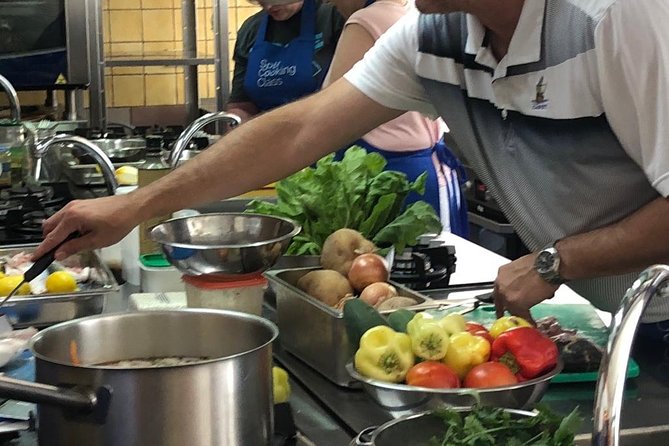
- Green Market shopping to choose produce and understand what’s seasonal in Split
- Split Fish Market stop with help around fresh seafood and basic prep skills
- Hands-on kitchen time with a chef guiding you step by step
- Wine tasting plus a shared lunch you’ll eat at the end, not sample and leave
- Max 12 people so you’re not lost in a huge group
- English-led instruction with dietary needs handled by request
A 9:00 am Start That Lets You Cook Like a Local
The class begins at 9:00 am at Hrvojeva 4 in Split. That timing matters. You get to shop while stalls are properly stocked, before the day gets chaotic, and you head into the kitchen with ingredients that feel fresh and specific—not generic “tour food.”
This is also one of those experiences where you spend your time on things that travel well: chopping, tasting, and learning what makes Croatian dishes taste like Croatian dishes. You’ll likely leave with better instincts for seasoning, timing, and how seafood behaves once it hits the heat.
The overall flow runs about 5 hours, and it ends back at the meeting point. You’ll be fed along the way, with snacks, drinks, lunch, and coffee and/or tea included. Come hungry and you’ll have the best time.
You can also read our reviews of more cooking classes in Split

Markets First: Green Market and Split Fish Market
Stop 1 is the Green Market. This is where you learn the practical side of Croatian cooking: what vegetables look best, what ingredients are reliable, and how sellers think about freshness. Even if you don’t cook at home every week, you’ll leave knowing how to spot good produce and how to talk about it.
Stop 2 is the Split Fish Market. This is the part many people remember, because it’s less common in cooking classes. You’ll buy ingredients from local fishermen and producers, then bring that “we chose it ourselves” energy into the kitchen.
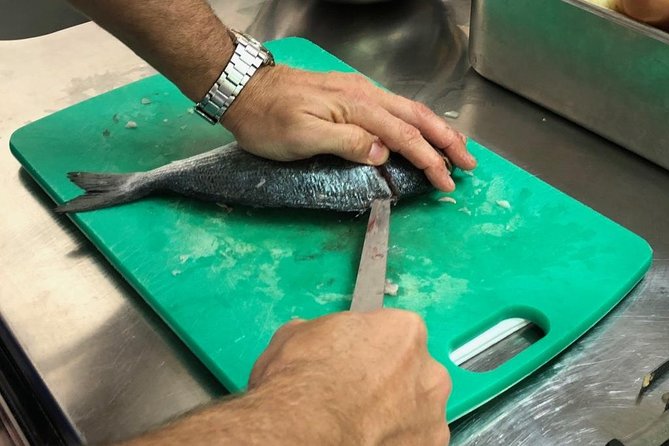
In the fish market you may also get real-life seafood education, not just sightseeing. People learn hands-on fish skills like cleaning and filleting, which turns the kitchen portion from a nice meal into a useful lesson. If you’ve ever stared at a whole fish and thought you’d need a video tutorial later, this is where that fear gets replaced with a method.
Possible drawback: markets mean you’re working with seafood and produce that are best handled when fresh. That’s great for flavor, but it can be a sensory experience—especially if you’re not used to raw fish smells or the feel of working ingredients. If you’re easily put off, tell the chef ahead of time so they can guide you based on comfort level and menu choices.
Inside the Kitchen Academy: Real Instruction for All Skill Levels
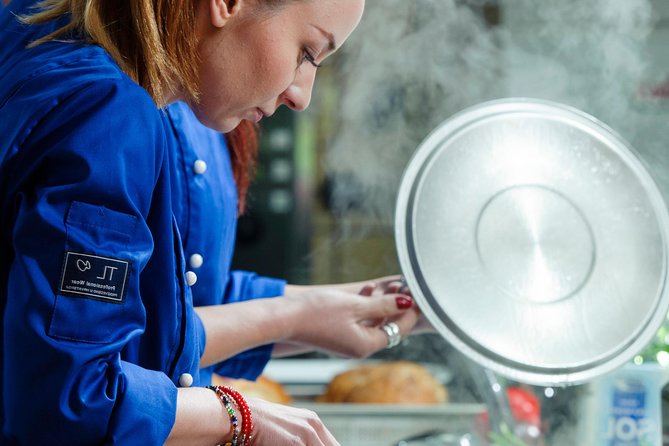
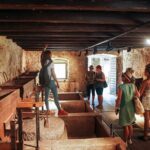
After the market stops, you head to the cooking school. The class is built for all levels, and that shows in the pace and structure. You’re not expected to be a professional; you’re expected to participate.
What stands out is how interactive the kitchen time is. People report dividing into groups and working on multiple parts of a multi-course meal, with the chef checking in so you’re not stuck guessing. You’ll be taught practical techniques while also hearing the cultural background behind what you’re making.
In addition to the main dishes, you may also work on breads or side items depending on the menu. Several cooks mention learning techniques they hadn’t tried at home—like bread-making steps and sauce foundations—so the class feels useful even after the meal is finished.
A small note that matters: there’s a learning curve in anything fish-related. Even if you’ve cooked before, cleaning and prep can feel unfamiliar. The instructors are there to help, and your best move is to accept that you might take a few minutes longer at first. That’s how you get the skills, not just the final plate.
What You’ll Cook, Plus the Tasting Portion That Makes It Click
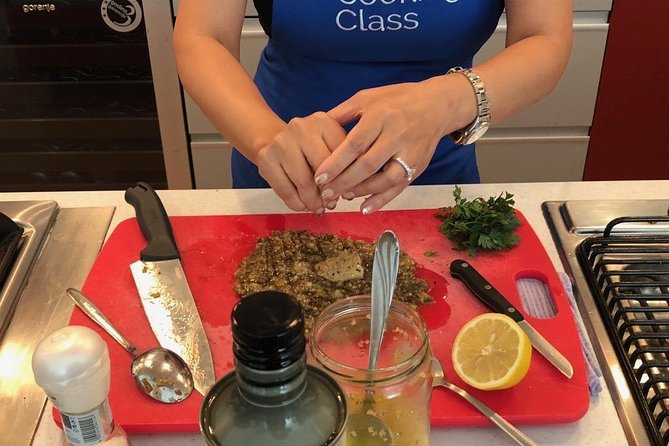
The sample menu is described in general terms: a traditional Croatian meal with a full cooking-and-eating experience. In practice, the class is multi-course, and people report making enough food for a very satisfying lunch.
One repeated theme is that the dishes go beyond “tourist versions.” You’ll cook items that fit local taste: Croatian favorites that you taste, chop, and cook as part of the same lesson. This is exactly how you learn flavors you can recreate later.
You’ll also taste with a wine tasting included and enjoy beverages throughout the session. Snacks are part of the experience too, so you’re not starving between market and kitchen work. It’s a smart structure: it keeps energy up, and it means you can focus on technique instead of counting the minutes.
A couple of specific things that come through strongly in the stories: people mention seafood-focused meals, learning to prepare and filet fish, and trying dishes they wouldn’t have picked up on their own. One person even mentions trying stingray and learning how it fits into the local menu. Whether you eat seafood happily or you’re a bit cautious, the chef can adjust based on what you’re comfortable with—just tell them beforehand.
Allergies, Vegetarian Options, and How to Get the Menu You Need
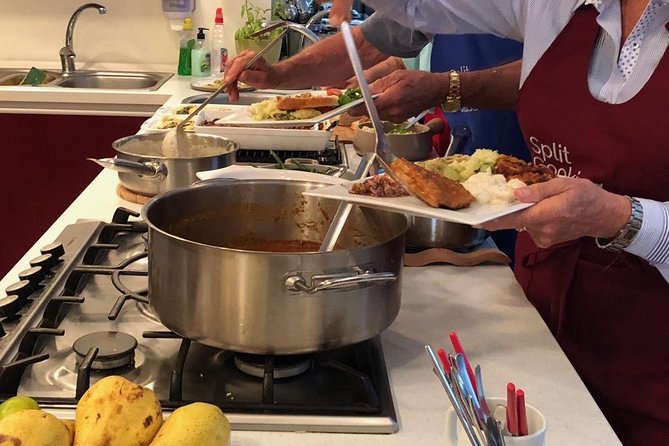
If you have dietary needs, this class is set up to handle them if you communicate early. You’re asked to advise specific dietary requirements at booking, and there’s a vegetarian option available—again, you should mention it when you reserve.
This matters because the class includes market shopping. If you don’t plan ahead, you risk arriving for a menu built around ingredients you can’t eat. If you do plan ahead, you’re more likely to get a menu that still feels Croatian, not like a last-minute substitute.
A practical tip: even if you just say vegetarian, also clarify what that means for you. For example, whether you’re fine with dairy and eggs. The tour data says they accommodate dietary requirements when advised, so give them the clearest version of your needs you can.
You can also read our reviews of more tours and experiences in Split

Group Size and Pace: Why This Doesn’t Feel Like a Factory
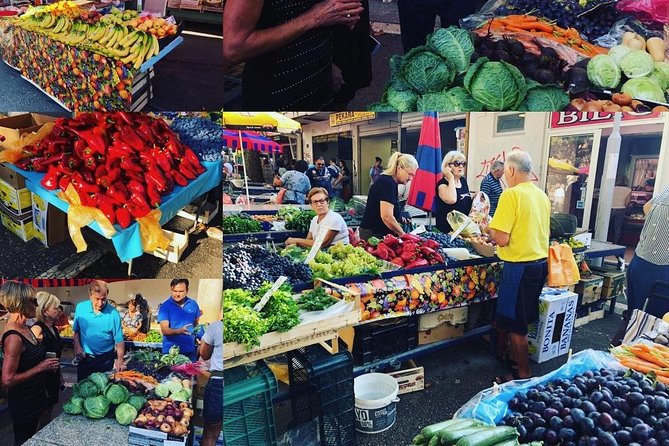
The group is capped at 12 travelers, which is big enough to have a friendly buzz but small enough for the chef to pay attention. People also mention small-group setups off-season, which can make the experience feel more personal without changing the structure.
The pace is a morning rhythm: walk to markets, shop and learn, then work in the kitchen in supervised steps. You’ll have plenty to do if you like hands-on learning, but it’s not physically punishing. The walking is described as small, and there’s also an option to skip the vegetable and fish market tours if you want an easier day.
This makes the class a good fit for couples, solo travelers, and small friends groups. If you’re traveling with kids, check with the operator for suitability, since the experience does include active cooking and some walking. (The tour description doesn’t state an age limit, so you’ll want to confirm directly if that’s relevant.)
Price in Context: What $211.72 Covers (and Why It’s Not Just a Meal)
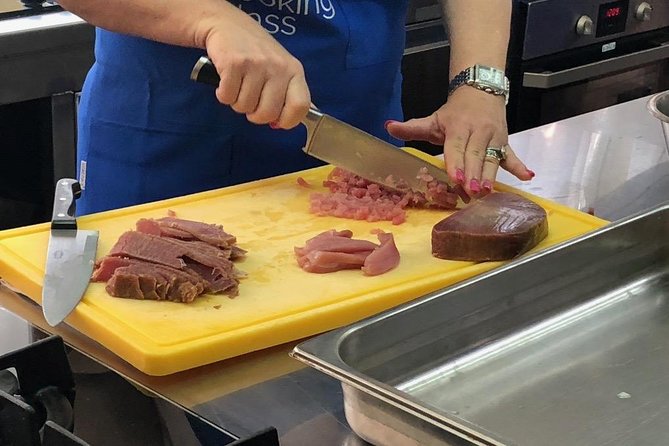
At $211.72 per person, this isn’t a bargain basement activity. But it also isn’t just paying for lunch.
You’re paying for:
- market ingredient shopping with a chef guiding the choices
- instruction in multiple cooking steps
- a multi-course lunch plus snacks
- wine tasting
- beverages and coffee and/or tea
- hotel pickup and drop-off if you select that option
- a small group size, max 12
- English-language instruction
When you compare it to “class + meal” style cooking tours, the market portion is the differentiator. You’re getting context for ingredients and methods. That’s why people mention it as a highlight: the experience explains the food, not just reproduces it.
So if you care about authenticity and you like learning practical techniques—especially fish prep—this price starts to make more sense. If you only want a quick demo and minimal participation, you might feel it’s too much. But if you want to cook, taste, and leave with skills, it holds up.
Practical Tips for a Smooth Morning in Split
Here’s how to make this class feel easy from minute one:
- Wear comfortable shoes. There’s some walking involved, including between points.
- Come ready to work. Even confident cooks say the best part is doing things you wouldn’t try on your own, like fish cleaning steps.
- Be upfront about preferences. If you don’t want fish or you have allergies, mention it when booking so the chef can build a menu that matches you.
- Plan the rest of your day gently. You’ll eat well and you’ll likely be a bit tired from cooking. This is the kind of activity that improves the whole day, not one you rush and then sprint to the next thing.
- If markets aren’t your thing, choose the no-market option. The tour notes classes are available without the vegetable and fish market tours, which can reduce walking and sensory intensity.
Also, keep your expectations realistic: you’re learning, not auditioning for MasterChef. The best results come when you take the chef’s guidance and give yourself time.
Should You Book This Split Cooking Class?
Book it if you want a morning that’s more than sightseeing—one where you shop for ingredients, cook real Croatian food in small groups, and end with a shared lunch and wine tasting. It’s especially worth it if fish prep interests you, or if you’re the type who likes learning methods you can use at home.
Skip it or switch to the no-market format if you prefer minimal walking or you don’t want the market portion. And if you have strong dietary restrictions, you’ll want to communicate early so you get the right vegetarian or adjusted menu.
For me, the deciding factor is the combination: market shopping + hands-on kitchen + a meal you actually eat together. That mix is why this class consistently feels like a highlight in Split.
FAQ
Is the class offered in English?
Yes. The experience is offered in English, and the chef instruction is designed to be understandable and interactive for participants.
How long is the Split cooking class?
It runs for about 5 hours (approximately), starting at 9:00 am and ending back at the meeting point.
Does it include hotel pickup and drop-off?
It includes hotel pickup and drop-off only if you select the option during booking. Otherwise, you’ll meet at the listed start location.
Where does the class start and end?
It starts at Hrvojeva 4, 21000, Split, Croatia, and it ends back at the same meeting point.
Is there a vegetarian option?
Yes. Vegetarian option is available. You should advise the vegetarian requirement at the time of booking.
Is the market tour required?
It depends on the version you book. The class includes a vegetable and fish market tour, but there are also classes available without the vegetable and fish market tours.