REVIEW · SPLIT
Culinary Experience – Cooking Class & Walking Tour Split
Book on Viator →Operated by Perfecta Travel · Bookable on Viator
Eat your way through Split’s old streets.
This small-group experience pairs a Split walking tour with a hands-on three-course Dalmatian lunch in a professional hotel kitchen. I like that you’re capped at eight people, so you get real time with the guide and the chef, not just standing in the back. One consideration: it’s not a good fit if you have walking issues, since you’ll be moving around markets and the old town.
You start in the morning, then head into the city’s food scene with a guide who connects what you taste to where it comes from. You’ll sample green-market items (like cold cuts and cheese), stop at a fish market, and make room for coffee and sweets from a traditional bakery. After that, you cook and eat together, including a traditional liquor tasting.
The whole thing runs about 4 hours (starting at 9:30am) and ends back where you meet. If you’re watching your schedule, you’ll also want to time it around your morning plans, since the tour needs good weather to run smoothly.
In This Review
- Key things that make this Split food tour special
- Split starts with the markets, not the menu
- The 3-course Dalmatian meal is structured, hands-on, and filling
- A 5-star hotel kitchen: why the setting changes the class
- The walking tour part: history, city life, and food stops that make sense
- Price and value: what $336.41 is really buying
- Who this works best for (and when it won’t)
- Practical tips to make your morning smoother
- Should you book this Split cooking class and walking tour?
- FAQ
- Where does the tour start, and what time is it?
- How long is the Split culinary experience?
- What’s included in the price?
- What do you cook during the class?
- How big is the group?
- Is it suitable for people with walking issues?
- What happens if the weather is bad?
Key things that make this Split food tour special
- Market-to-menu shopping with green-market and fish-market stops tied directly to what you cook
- Small group size (max 8) so you actually get attention while you’re working in the kitchen
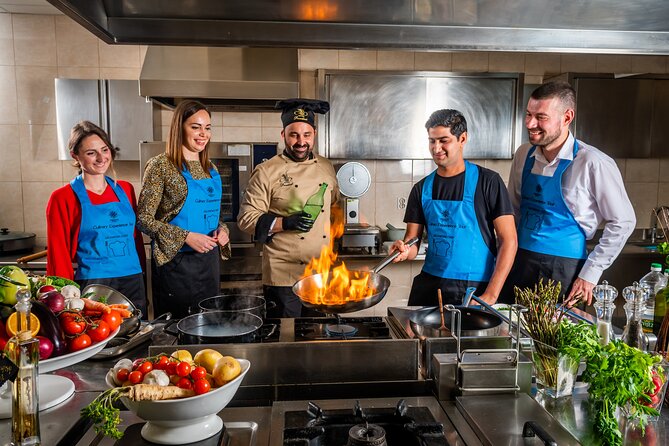
- 5-star hotel kitchen setting where you prepare lunch like a real class, not a demo
- Real Dalmatian foods on the plate: cold platter, seafood pasta, grilled fish, and dalmatian small donuts
- Extra tastings: coffee and bakery sweets plus a traditional liquor tasting
Split starts with the markets, not the menu
If you want the “why” behind Dalmatian cuisine, this tour handles it in the right order. You don’t begin by cooking something random. You begin by seeing the ingredients first, which makes everything on your plate feel more intentional.
The morning includes a stop at Split’s green market, where you’ll taste local specialties such as cold cuts (think smoked prosciutto) and cheese. This is more than snack time. It’s a quick lesson in how Croatian tables get built: salty, briny, and herb-friendly flavors first, then the warmth of bread and olive oil. You’ll also sample homemade olive oil and garlic bread as part of the starter experience.
Next comes the fish market, where the focus shifts from cured and dairy flavors to the sea. Even if you’re not a seafood pro, you’ll get context for how fish shows up in everyday cooking. It helps you understand why the class menu leans hard into seafood pasta and grilled fish instead of trying to be “international” or generic.
If you’re the type who reads menus and immediately wants to know what you’re actually eating, these market stops are the backbone of the day.
You can also read our reviews of more walking tours in Split
The 3-course Dalmatian meal is structured, hands-on, and filling
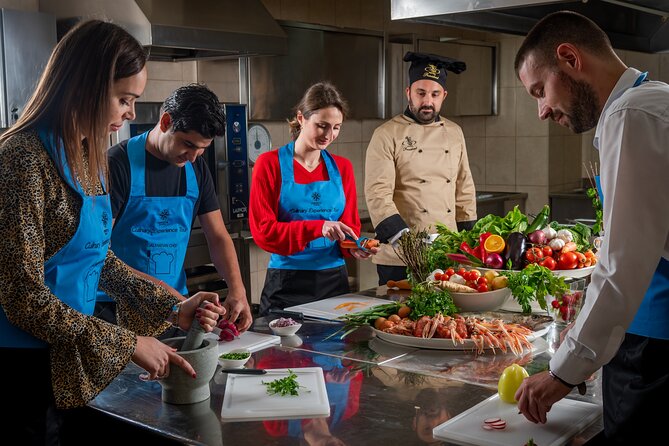
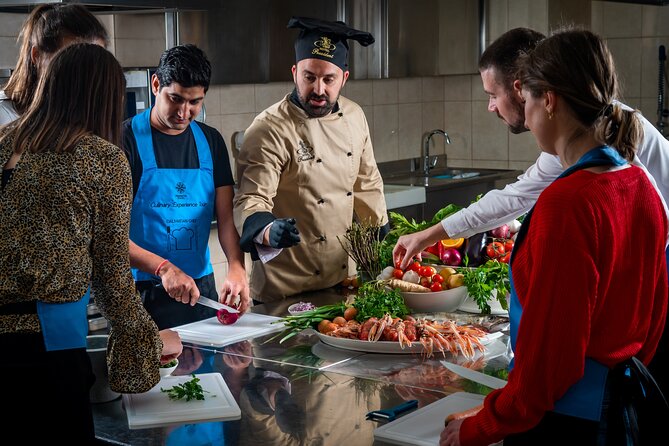
This is built around a clear flow: starter, main, main, dessert. That matters because cooking classes can feel chaotic when the plan is fuzzy. Here, you know what comes next, and you’re actively making the course, not just watching.
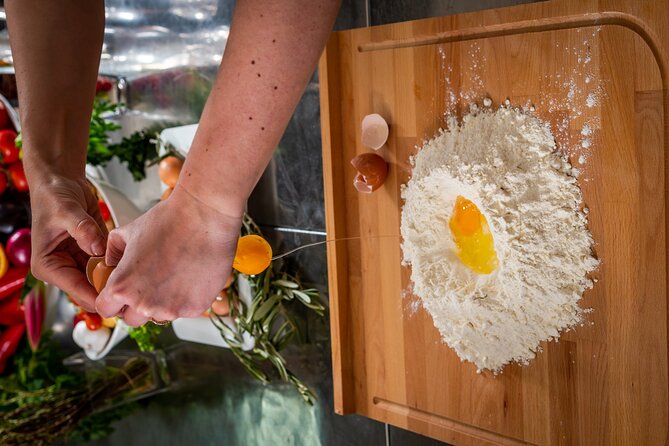
Your starter is a cold platter. Expect a mix like cheese selection, marinated seafood, olives, homemade olive oil, and garlic bread. It’s a smart opener because cold foods let you settle in, taste for balance, and get comfortable with the ingredients before the heat comes on.
For the main, you’ll make homemade seafood pasta. Then you’ll also work toward a second main: grilled fish. One thing I appreciate about this setup is that it gives you two very different techniques in one class. Pasta teaches handling and seasoning; grilling is all about timing, heat, and getting flavor without drying things out.
Dessert lands on a sweet, playful note: dalmatian small donuts served with a homemade jam selection. In at least some runs, people talk about an extra sweet moment too, like a Christmas-style dessert or seasonal treat. The key point for you is that dessert is not an afterthought. It’s part of what you remember when the class ends.
You also get lunch and tastings included in the price. That’s important for value, because you’re not just paying for instruction. You’re paying for ingredients, service, and a full meal that you’ll actually eat.
A 5-star hotel kitchen: why the setting changes the class
Cooking in a hotel kitchen isn’t a gimmick here. It changes the tempo and the quality of what you can learn.
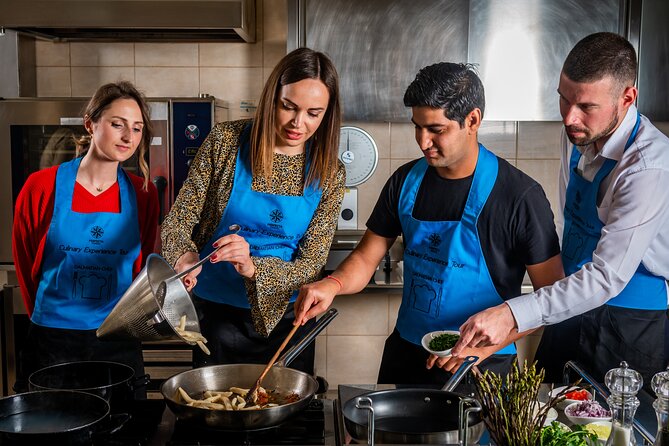
The tour puts you into a professional kitchen environment where the tools and workflow are built for real cooking. That means you’re more likely to get clear instruction, and it’s easier for the staff to guide you through the steps without rushing. People also mention the staff being patient and attentive, which is exactly what you want if you’re not a confident cook.
Small group size helps a lot. With only up to eight participants, you’re not fighting for countertop space or waiting forever for clarification. You can ask questions, and you’re more likely to get answers that match what you’re doing right then.
In the class experience described, chefs and crew names come up, like head chef Melania, plus Nikola in the kitchen team. Your guide may vary by date, but the pattern is consistent: you’re cooking together, then eating what you made, in a setting that feels special without feeling staged.
The walking tour part: history, city life, and food stops that make sense
The “walking tour” here isn’t just a corridor of photos. It’s a way to connect Split’s food culture to the city itself.
You explore old streets with an English-speaking local guide for about four hours total when you include the kitchen and market parts. The guide focus shows up in the details people highlight: local history, how people live now, and city facts that don’t come from a guidebook.
More than one guide name comes up in accounts of the tour, including Marin and Rada. The impression is that the guide brings more than scripted talking points. People mention the guide explaining modern life alongside older landmarks, and even throwing in specific local angles like references to the football club. That blend is what makes the walk feel like you’re getting oriented, not just transported.
You’ll also have small tasting moments along the way: sweets, pastries, and even honey sampling. The guide isn’t just moving you between stops. They’re building small pauses so you can taste and then keep walking without feeling like you’re sprinting.
And yes, the tour includes coffee and sweets from a traditional bakery. That’s a nice reset between the markets and the cooking.
Price and value: what $336.41 is really buying
Let’s talk money plainly. At $336.41 per person for about four hours, this is not a cheap activity. But it’s also not just “a cooking demo with food.”
Here’s what the price covers based on what’s included:
- Professional guide in English for the walking and market parts
- Green market visit with tastings, including items like smoked prosciutto and cheese
- Fish market visit
- Cooking a full three-course lunch with a professional chef in a kitchen setting described as 5-star hotel
- Included lunch and tastings (not separate add-ons)
- Coffee and sweets from a traditional bakery
- Traditional liquor tasting
When you add that up, you’re paying for the ingredients plus the staff time plus the market experience plus the kitchen instruction. The group cap at eight also supports why the price isn’t bargain-bin. This format works when the class stays small enough for personal attention.
If you like food but also like learning how it fits into place, this is one of the more practical ways to spend half a day in Split: you leave with a meal you made, tastings you tried, and city context you can repeat on your own.
You can also read our reviews of more cooking classes in Split
Who this works best for (and when it won’t)
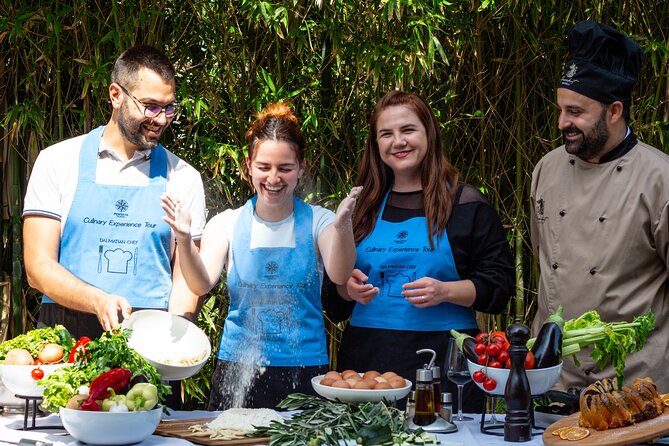
This experience is built for people who like hands-on learning and don’t mind spending a solid morning in motion.
You’ll likely enjoy it if:
- You want a true Split food day that includes markets, tastings, and cooking
- You like seafood-focused menus and are open to a liquor tasting
- You prefer small groups where you can ask questions and get patient help in the kitchen
- You want to pair sightseeing with something practical you’ll remember (and maybe recreate later)
It may not fit you if:
- You have walking challenges. The tour is not recommended for travelers with walking issues, so plan around that.
- You’re short on time. This runs about four hours, starting at 9:30am, and it’s an all-in-one morning plan.
- You don’t want seafood or alcohol. The sample menu includes fish, and a traditional liquor tasting is part of the experience.
Also, the experience requires good weather. If conditions are poor, it may be rescheduled or refunded. That’s worth factoring into your plan if you’re visiting at the start or end of shoulder season.
Practical tips to make your morning smoother
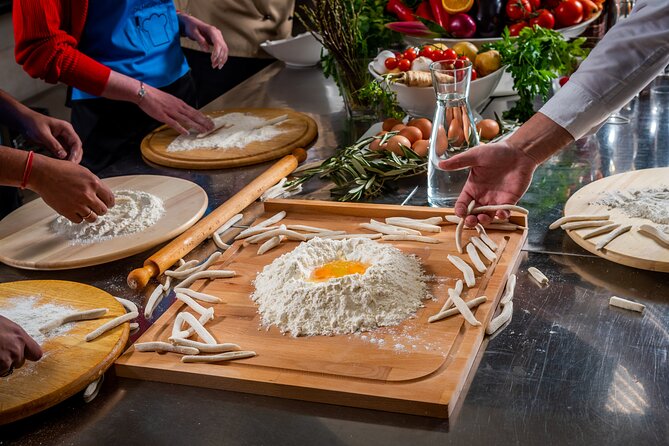
A few small choices can make this day feel effortless instead of stressful.
- Wear comfortable shoes with solid grip. Even if the walking seems manageable, markets and old-town streets can be uneven.
- Come hungry, but don’t show up with a stomach full of breakfast. You’ll be tasting through the morning and then cooking a full lunch.
- Bring a light layer. Kitchens can vary in temperature, and weather can shift fast around the sea.
- If you care about dietary needs, plan to ask directly. The menu you’re cooking has clear elements like cold platter starter, seafood pasta, grilled fish, and dalmatian small donuts with jam, plus a traditional liquor tasting.
One more smart move: if you want to repeat recipes later, ask about getting the recipes if that’s possible during your session. Some accounts mention leaving with recipes, which is a fun souvenir that becomes dinner later at home.
Should you book this Split cooking class and walking tour?
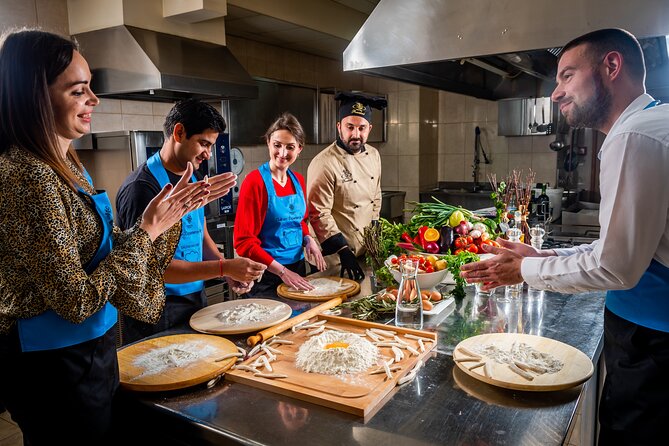
Book it if you want one of the most efficient ways to understand Split through food. The pairing of markets + guided walk + hands-on cooking is exactly how you turn a vacation into a story you can tell. The small group size and the professional kitchen setting make it feel personal, not mass-produced.
Skip it if you’re dealing with mobility limits, dislike seafood, or want something more relaxed with zero movement. Also, if your schedule is fragile due to weather, keep a backup plan for your morning.
If your goal is a memorable Split morning—tastings you can name, a lunch you cooked, and a guide who connects food to the city—this one makes a strong case for your time.
FAQ
Where does the tour start, and what time is it?
The meeting point is Ul. Ante Starčevića 1, 21000 Split, Croatia. The start time is 9:30am, and the activity ends back at the meeting point.
How long is the Split culinary experience?
It lasts about 4 hours.
What’s included in the price?
Lunch and tastings are included. You’ll also have market visits, coffee and sweets from a traditional bakery, and a traditional liquor tasting.
What do you cook during the class?
The class focuses on a traditional Dalmatian three-course lunch. The sample menu includes a cold platter starter, homemade seafood pasta and grilled fish mains, and dalmatian small donuts with a homemade jam selection.
How big is the group?
The maximum group size is 8 travelers.
Is it suitable for people with walking issues?
No. The tour/activity is not recommended for travelers with walking issues.
What happens if the weather is bad?
The experience requires good weather. If it’s canceled due to poor weather, you’ll be offered a different date or a full refund.