REVIEW · SPLIT
Split: Food Tasting Walking Tour
Book on GetYourGuide →Operated by www.splitwalkingtour.com · Bookable on GetYourGuide
Food plus 1700-year-old walls makes this tour work. In Split, you walk the Diocletian’s Palace area and hear the stories behind local plates as you sample your way through medieval streets, market counters, and small shops.
I love the market-to-meal rhythm. You start in the Green Market, then hit the Fish Market at Peškarija and learn the local way to eat salted anchovies (a big part of marenda, Dalmatian brunch). One consideration: the tasting plan includes a glass of local wine with soparnik, but some departures may not pour it—if wine matters to you, ask at the start so you’re not guessing.
In This Review
- Quick reasons this food tour works
- Diocletian’s Palace is the real main dish
- The 2-hour flow: what the schedule feels like
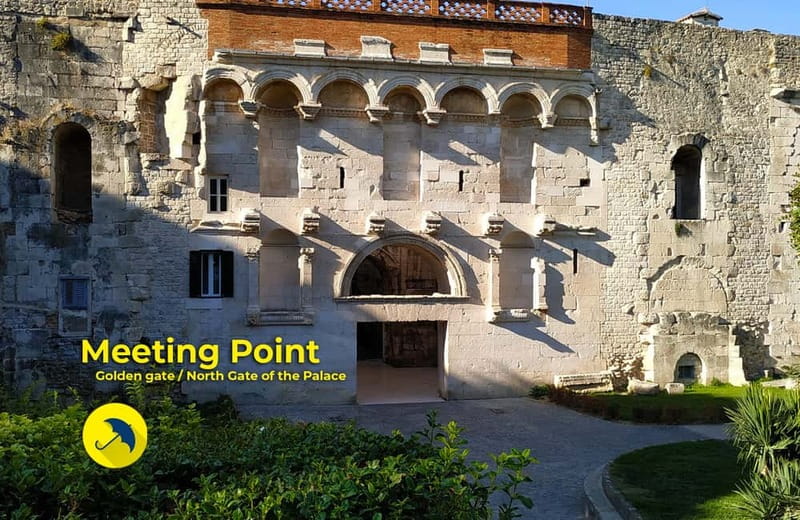
- Start at Golden Gate: the meeting spot that keeps you on track
- Green Market morning bites: arancini, almonds, and the sweet opener
- Soparnik and prosciutto: the UNESCO plate and the coast’s cured style
- Chocolate stop with Guinness energy
- Rafiol cake at an older bakery: ending with something you can hunt later
- Peškarija fishmarket: salted anchovies and marenda brunch
- Local bar and restaurant tastings: wraparound flavors
- What’s included for $51: tastings, guidance, and recipes
- The guides make the difference: what to expect from real energy
- Small-group feel (and who should choose it)
- Should you book this Split Food Tasting Walking Tour?
- FAQ
- Where does the tour meet?
- How long is the Split food tasting walking tour?
- What language is the tour guide?
- What’s included in the price?
- Are there extra costs during the tour?
- Does the tour include wine?
- What stops are included along the way?
- What should I bring?
- Is the tour wheelchair accessible?
- Are unaccompanied minors allowed?
- What are the cancellation rules?
- Can I reserve and pay later?
Quick reasons this food tour works
- Soparnik gets UNESCO context: you’re not just tasting it, you’re learning why it’s special.
- Start sweet, then go savory: arancini and sugared almonds kick off the morning.
- Peškarija isn’t just a stop, it’s a lesson: you learn how locals eat salted anchovies for marenda.
- Chocolate has a brag-worthy origin: a shop with a Guinness record for the largest chocolate bar.
- Rafiol cake time: you end up at an older bakery for one of Split’s most recognizable sweets.
- You finish back at Golden Gate: easy to tie into the rest of your day in the palace area.
Diocletian’s Palace is the real main dish
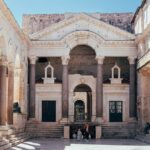
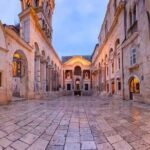
This is the kind of food tour that makes sense because the setting does half the work. You’re in a living neighborhood built inside a palace that’s about 1,700 years old, and every turn reinforces the connection between Rome-era stone and today’s coastal eating.
What I like is that the tour treats food as culture, not just snacks. When you hear how dishes like soparnik fit local tradition—and why salted anchovies are eaten a certain way—you start seeing Split as a place with food habits, not a menu.
Also, it helps that the walking route is designed to keep you moving. You’re in historic streets for almost the whole experience, so your “tour brain” stays engaged instead of spending 2 hours parked outside a single building.
You can also read our reviews of more walking tours in Split
The 2-hour flow: what the schedule feels like
The full experience runs about 2 hours, with a guided walk and multiple tastings. The stop pattern is tight enough that you’ll try a lot without feeling stuffed from the start.
You’ll move like this:
- Local café tasting (15 minutes)
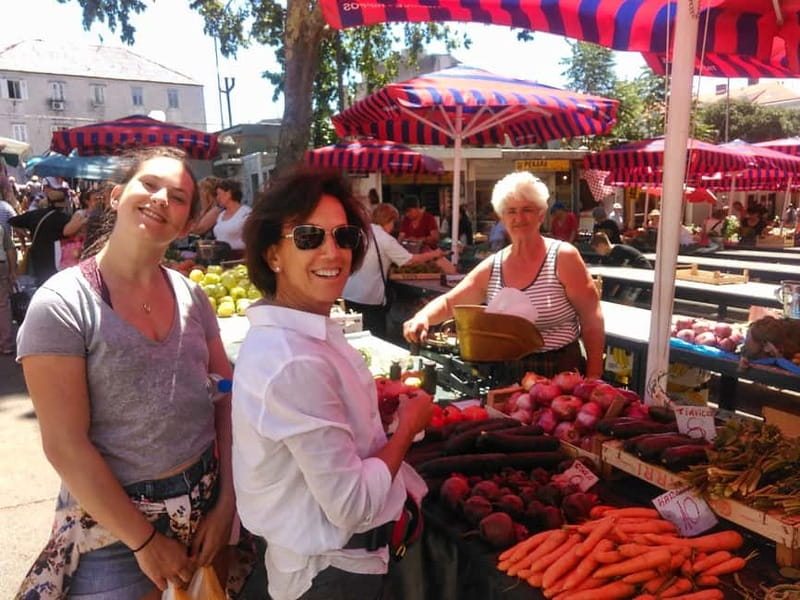
- Old Market / market visit (30 minutes)
- Bakery tasting (15 minutes)
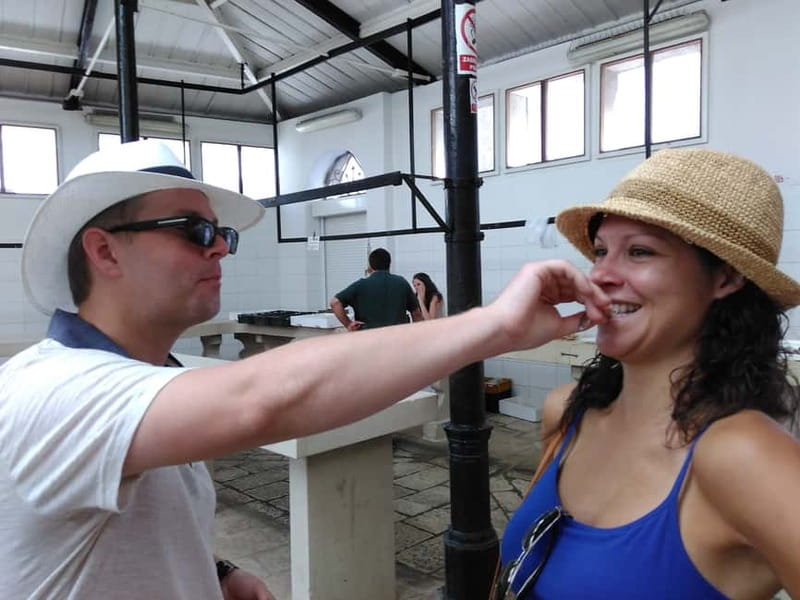
- Split Fish Market / Peškarija visit (30 minutes)
- Local bar tasting (15 minutes)
- Local restaurant tasting (15 minutes)
- Back to Golden Gate (near the start)
This pacing matters because markets work best when you can actually browse, taste, and compare. In 30 minutes at the Old Market and Peškarija, you’re not just handed bites—you get a sense of what’s typical and what’s worth noticing.
Practical note: bring comfortable shoes and plan for historic stone streets. You’ll also want sunglasses and a sun hat since the route can include exposed sections.
Start at Golden Gate: the meeting spot that keeps you on track
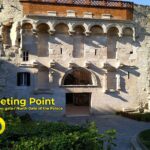
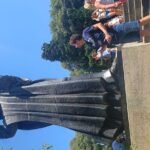
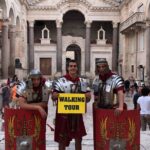
You meet at Golden/North Gate, near the statue of Gregory of Nin. The easiest cue is to look for the blue umbrella.
Why this matters: Split’s old town streets can make you feel like you’re walking in circles. A clear start point keeps the tour running on time, and it also helps you quickly plug into the rest of your sightseeing afterward.
Green Market morning bites: arancini, almonds, and the sweet opener
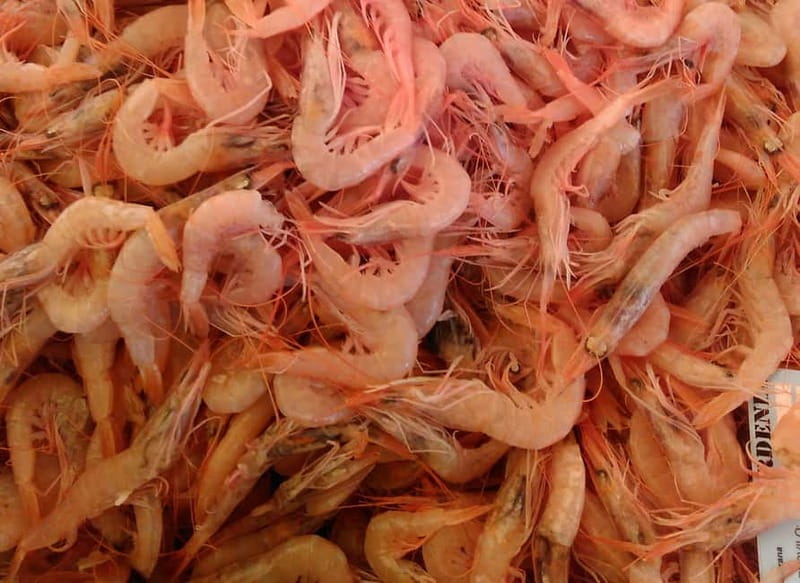
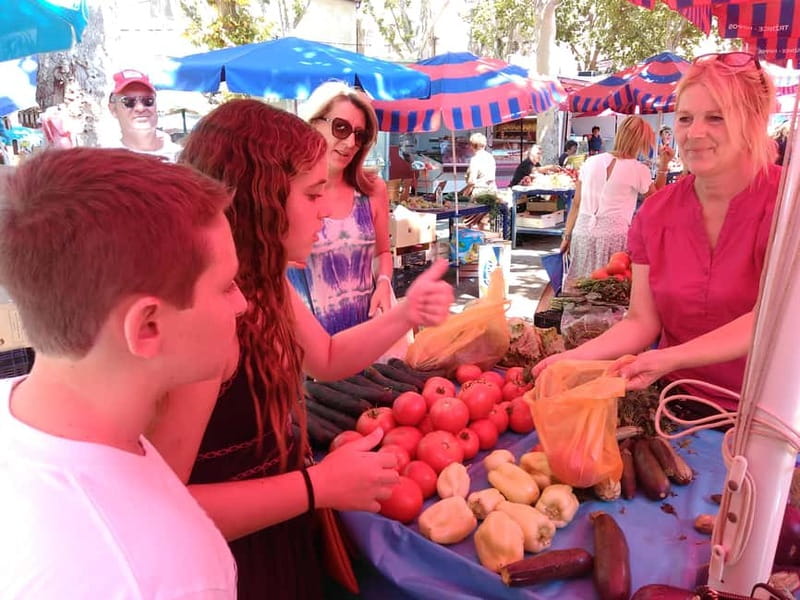
You begin at the Green Market (often called Pazar). This is where the tour does something smart: it warms you up with flavors that feel like a local breakfast.
Expect to taste items like:
- Arancini (served as part of the morning sampling)
- Almonds in sugar to sweeten your start
In a food tour, the first stop sets the tone. Here, the goal is to get your taste buds awake without going heavy too fast. It’s also a good way to get comfortable with the market environment—where you’re later going to compare ingredients and ask questions.
If you like nutty, candy-like bites, this section is where you’ll feel right at home. And if you’re more savory-minded, don’t worry: the tour steers you into the more signature dishes soon after.
Soparnik and prosciutto: the UNESCO plate and the coast’s cured style
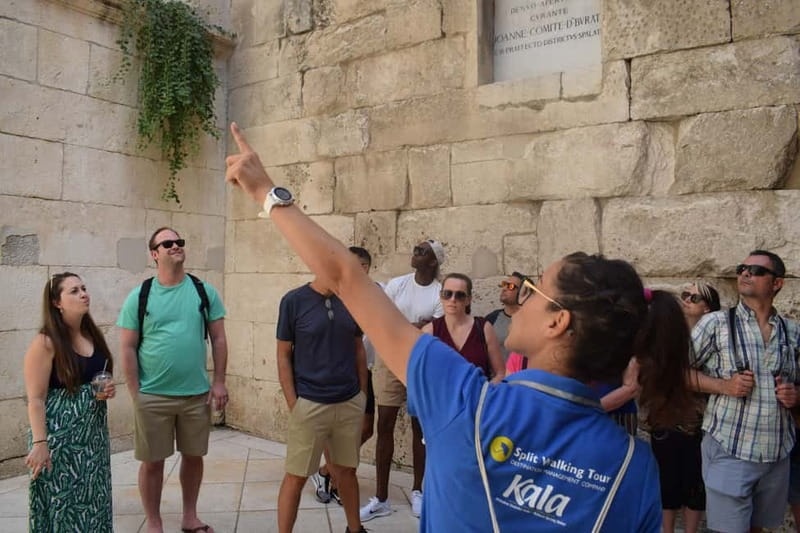
After the market start, the tour shifts into classic Dalmatian cooking logic: flatbreads, cured meats, and simple ingredients done well.
You’ll try soparnik, described as a unique dish protected by UNESCO World Heritage standards. The plan also pairs it with a glass of local wine.
Here’s why that pairing is worth your attention: soparnik can feel “earthy and grounded,” while wine gives you a clean way to reset your palate. If you’re a wine person, check in with your guide at the meeting point that you’ll be served what’s listed. One note from the experience world is that some departures may not pour the wine even though it’s part of the tasting plan.
As you walk through the palace and medieval streets, you also get traditional prosciutto tastings. This isn’t just eating salty meat—it’s tasting a preserved-food tradition that makes sense in a place where coastal life and local agriculture shape what stays good for weeks.
You can also read our reviews of more food & drink experiences in Split


Chocolate stop with Guinness energy
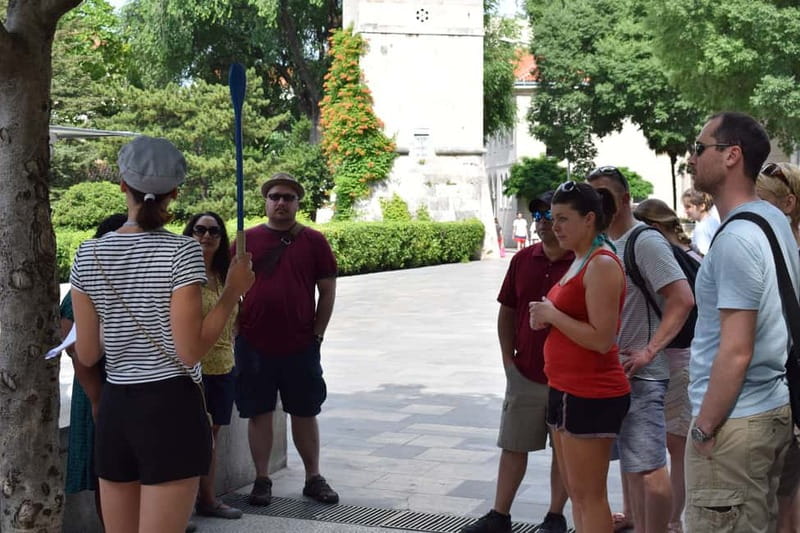
Next comes one of the more fun detours: a chocolate shop visit and tasting, with the claim that it holds a Guinness record for the largest chocolate bar in the world.
Why it’s a good move on a walking food tour: it breaks up savory tastings with something sweet and visual. It also keeps the tour from becoming a straight line of salt and smoke. In Split, where your day is already filled with stone, sea air, and bright colors, a chocolate stop feels like a deserved pause.
If you have a sweet tooth, you’ll probably enjoy this portion more than you expect—especially if you’re the type who likes tasting what a place calls its “big thing.”
Rafiol cake at an older bakery: ending with something you can hunt later
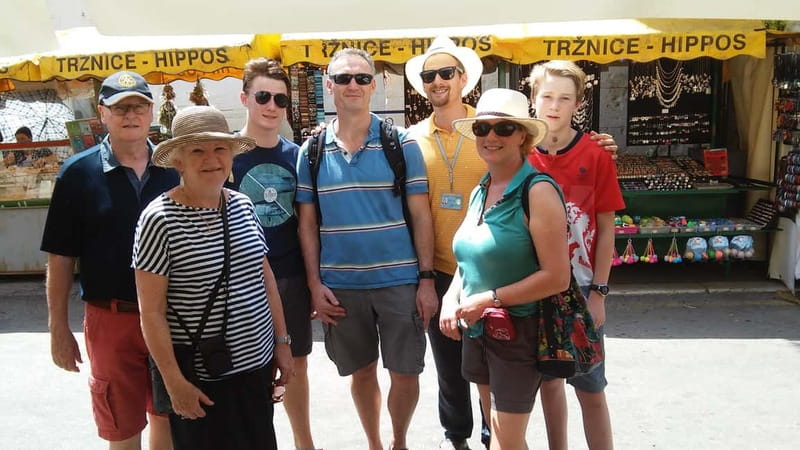
Then you head to an older bakery for rafiol cake, one of Split’s recognizable sweets.
The tour frames this part as a stop you won’t want to skip because it connects the “taste” to the local routine: baked goods that locals return to, not just one-off souvenirs.
This also gives you an important advantage for the rest of your trip. Once you’ve tried rafiol cake here, you’ll have a clearer sense of what to look for if you want more later on your own.
Peškarija fishmarket: salted anchovies and marenda brunch
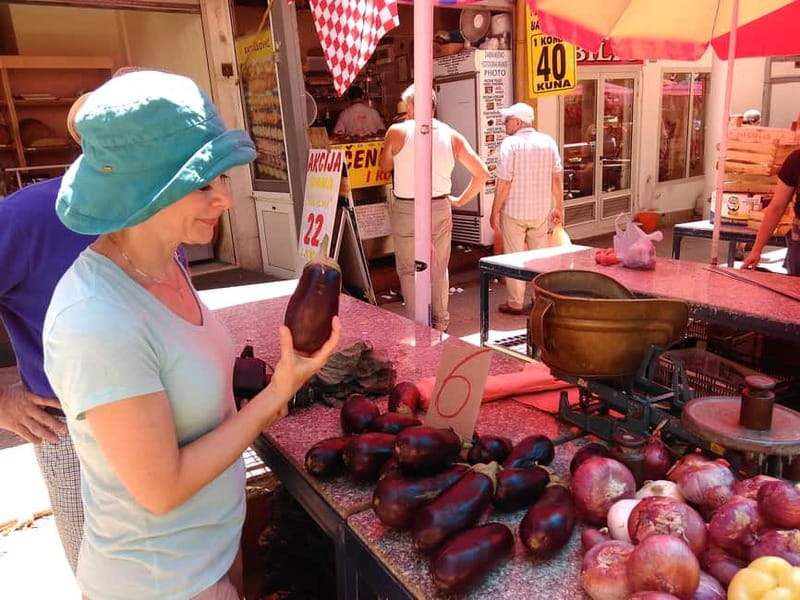
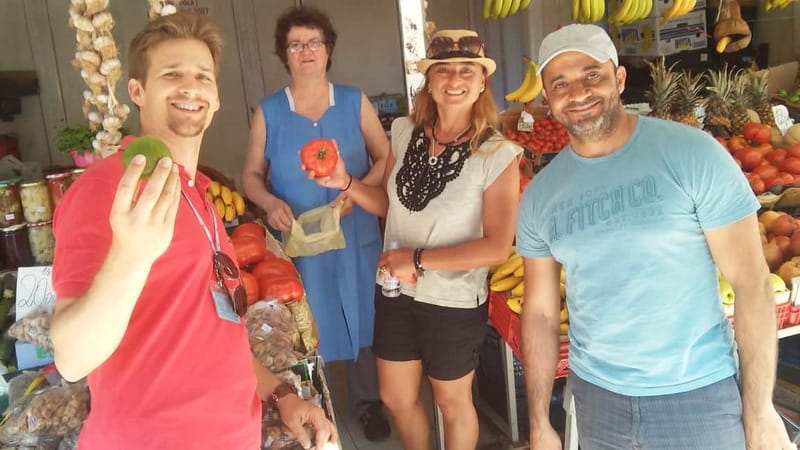
The big fish-focused moment is at Split Fish Market called Peškarija. The tour highlights that it’s the second oldest in Europe, and that its original benches are more than 120 years old.
This is one of the stops where food tours can be either superficial or truly useful. Here, the aim is practical: you’ll learn how to eat salted anchovies in a way that matches local tradition—part of marenda, Dalmatian brunch.
That lesson is the value. It’s easy to eat anchovies and think, sure, I get it. It’s harder to understand the local timing and the way people pair and approach them. The tour tries to bridge that gap with guidance, so the tasting becomes knowledge you can reuse.
Also, if you’re the type who likes seafood but finds market chaos stressful, this stop can feel like a managed version of the real place. You’re not just wandering—you’re guided through what to notice and how locals consume it.
Local bar and restaurant tastings: wraparound flavors
After Peškarija, you finish with:
- Local bar tasting (15 minutes)
- Local restaurant tasting (15 minutes)
These final stops matter because they take you from “market browsing” into “what it tastes like when served.” If you only did markets, you’d miss the next step: how the same ingredients show up in a more finished form.
And because the tour ends back at Golden Gate, you can keep exploring without a complicated transit plan. Your legs might be tired, but you’ll be wired with new food ideas.
What’s included for $51: tastings, guidance, and recipes
At $51 per person for about 2 hours, the value depends on what you usually do in old cities. If you’d otherwise spend your time hunting for lunch without a clue where to go, this is a shortcut that adds structure.
You’re getting:
- A guide
- Food tastings
- Traditional recipes
That last item is quietly important. Many food tours give you “tasted it, bye.” Here, you get traditional recipes, which means you’re more likely to remember what you liked and why it works. It also gives you something tangible to take home—especially if you cook.
Optional extra expenses at the markets are not required, but they’re possible. If you’re the kind of person who likes bringing home ingredients, you’ll have chances to buy along the way.
The guides make the difference: what to expect from real energy
The tour is led by an English live guide, and the vibe matters because you’re walking through multiple neighborhoods inside one compact area.
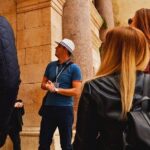
Guides tied to this experience—names like Marta, Slavko, Jakov, Ina, and Antonia—have been praised for being personable and ready to answer questions. When a guide is comfortable with both food and the city’s background, the tastings feel connected instead of random.
If you want a tour that tells you not just what you’re eating but what to ask for later, this format is built for you.
Small-group feel (and who should choose it)
The tour offers private or small groups, which usually helps with two big things:
- quicker back-and-forth questions at stalls
- a calmer walk through narrow palace streets
Still, it’s not for everyone. It’s not accessible for wheelchair users, and unaccompanied minors aren’t allowed. If you’re traveling as a family, bring an adult who can stay with the child throughout.
Who this tour fits best:
- First-timers in Split who want a fast orientation through Diocletian’s Palace
- Food lovers who prefer market learning over restaurant guessing
- People who like history told through real daily life
- Anyone who wants a strong start to planning their next meals
If you hate walking (even short distances) or you need a slower pace, you might find the 2-hour sprint too tight.
Should you book this Split Food Tasting Walking Tour?
Book it if you want a high-signal introduction to Split’s food culture in the same place you’re sightseeing anyway. The combination of Diocletian’s Palace scenery, Green Market and Peškarija tastings, and the stop at soparnik plus chocolate plus rafiol cake makes it feel like more than a snack crawl.
Pass or consider alternatives if:
- you need full wheelchair accessibility (this tour isn’t set up for it)
- you’re picky about wine being served exactly as described—because while local wine is part of the plan, some departures may miss it, so confirm early
- you’d rather shop and eat at your own pace with no structured tastings
If you’re in Split for a few days and want your first day to pay off, this is a solid choice.
FAQ
Where does the tour meet?
You meet at Golden/North Gate, near the statue of Gregory of Nin. Look for the blue umbrella.
How long is the Split food tasting walking tour?
The tour lasts 2 hours.
What language is the tour guide?
The live tour guide speaks English.
What’s included in the price?
The tour includes the guide, food tastings, and traditional recipes.
Are there extra costs during the tour?
Food tastings are included, but there can be optional extra expenses at the markets.
Does the tour include wine?
The tasting plan describes a glass of local wine with soparnik. If wine is important to you, confirm with the guide when you start.
What stops are included along the way?
The experience includes tastings at a local café, Old Market, a local bakery, Split Fishmarket (Peškarija), a local bar, and a local restaurant, then returns to Golden Gate.
What should I bring?
Bring comfortable shoes, sunglasses, and a sun hat.
Is the tour wheelchair accessible?
No. The tour is not accessible for wheelchair users.
Are unaccompanied minors allowed?
No. Unaccompanied minors are not allowed.
What are the cancellation rules?
You can cancel up to 24 hours in advance for a full refund.
Can I reserve and pay later?
Yes. You can reserve now & pay later.