REVIEW · SPLIT
Split: Guided Walking Tour in English
Book on GetYourGuide →Operated by Tours In Croatia · Bookable on GetYourGuide
Split’s stones tell stories fast. This 90-minute guided walking tour takes you through the UNESCO-listed core of the city, where Roman power still shapes what you see—and how you walk. You’ll also get the human side: locals, customs, and the everyday rhythm of life inside the historic walls.
I love how clear the guide makes 1,700 years of change. I also really like the palace focus, especially when the tour points out major spaces like the Peristyle and how the city grew around Diocletian’s Palace.
One thing to plan for: entrance tickets to churches and museums are not included, and the tour itself isn’t wheelchair accessible.
In This Review
- Key things to know before you go
- Why Diocletian’s Palace Still Shapes Split’s Streets
- Meeting at Obala Hrvatskog Narodnog Preporoda 21 (Gray Line Office)
- A 90-Minute Walk That Focuses on the Main Monuments
- Peristyle: Where the Palace’s Power Became a Courtyard
- Imperial Apartments and the Mausoleum: Learning the Palace Layout
- How Medieval Split Grew Inside the Old Roman Frame
- Entrance Fees: Plan Ahead for Churches and Museums
- Price Check: Is $29 Worth 90 Minutes in Split?
- Who This Tour Is Best For (and Who Should Skip It)
- Should You Book This Split Walking Tour of Diocletian’s Palace?
- FAQ
- How long is the guided walking tour?
- Where do I meet the tour guide?
- Is the tour in English?
- What is included in the price?
- Are entrance fees included for churches and museums?
- Is this tour wheelchair accessible?
- Are pets allowed on the tour?
- Can unaccompanied minors join?
Key things to know before you go
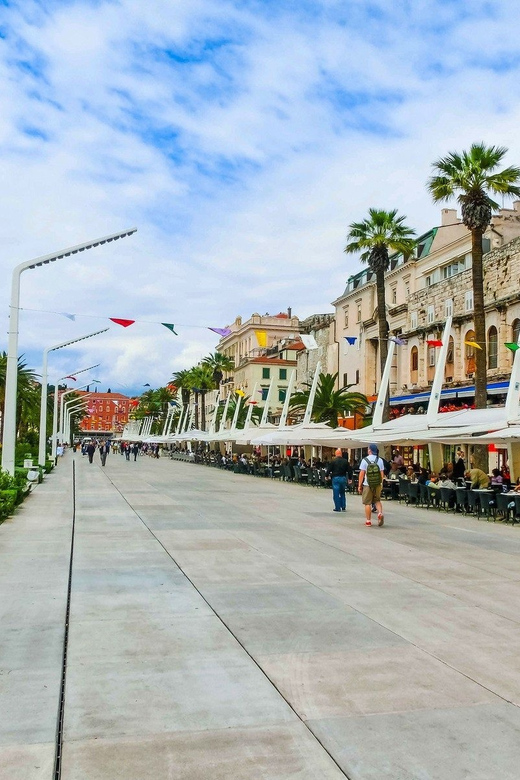
- UNESCO Diocletian’s Palace, explained on foot so you’re not stuck guessing what you’re looking at
- Peristyle + imperial apartments + mausoleum context, tied directly to how the palace worked
- Narrow stone streets with real city life, including the fact that people still live within the walls
- English-speaking guide who helps with culture, customs, and practical landmark info
- Tickets not included for churches and museums, but your guide will point you where to buy
Why Diocletian’s Palace Still Shapes Split’s Streets

Split isn’t a city where history sits politely in the background. It’s more like history is the sidewalk. This tour centers on Diocletian’s Palace, the extraordinary Roman complex built for Emperor Diocletian, and it’s the reason Split looks the way it does today.
What makes this worth doing with a guide is the cause-and-effect story. As you move through the old streets, you see how the city formed and expanded around the palace grounds. You’re not just viewing ruins—you’re following the logic of how a Roman imperial residence became the framework for a long-lived city.
And because it’s a UNESCO World Heritage Site, the guide also gives you context for why the palace matters beyond local pride. In other words, you get the big picture without turning it into a lecture.
You can also read our reviews of more walking tours in Split

Meeting at Obala Hrvatskog Narodnog Preporoda 21 (Gray Line Office)

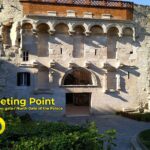
The tour begins at the Gray Line office, Obala Hrvatskog Narodnog Preporoda 21 in Split. That location matters because it’s right in the historic-city orbit, so you’re not spending your first hour hunting for the meeting spot and then realizing you’re late.
From there, you’ll go out as a group for the walk through central Split. The stated duration is 90 minutes (about 1.5 hours), which is a sweet spot if you’re short on time but still want more than a quick glance at the palace.
If you like tours that start fast—and don’t pretend you have all day—this one fits that style.
A 90-Minute Walk That Focuses on the Main Monuments
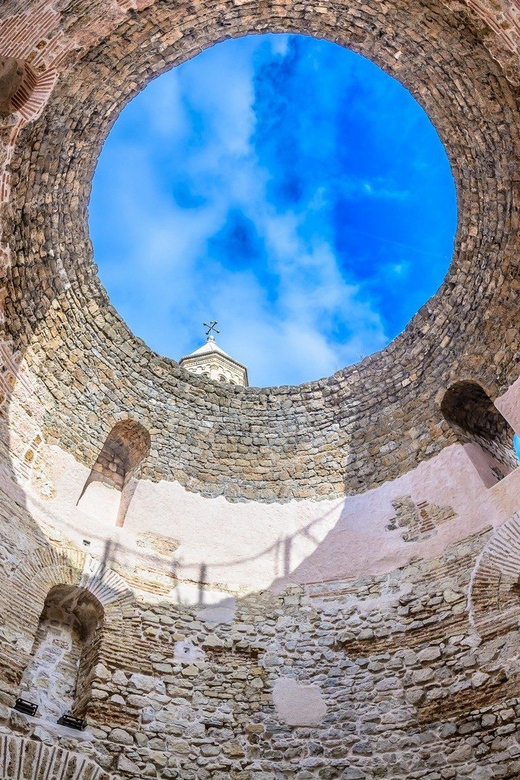
You’ll spend roughly 1.5 hours moving through the city center, visiting the main monumental areas tied to Diocletian’s Palace and the surrounding medieval fabric.
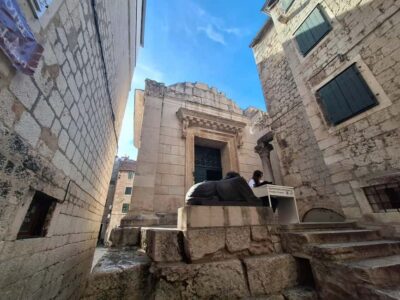
The pacing is designed for seeing a lot without getting lost. You’ll move through a maze of narrow stone lanes, with enough time to look closely at medieval buildings and palace remains as you go. It’s not a slow stroll where you stop every three steps. It’s also not a speed-run.
For language, you’re covered: the tour is in English, led by a live guide. In past tours, guides like Gabrijela and Petra have stood out for clear explanations and friendly, local knowledge, and they were also willing to answer questions. That matters because Split is the kind of place where your best questions pop up only once you’re standing in front of something.
One small “watch your step” note: the route is not wheelchair accessible, and old-town stone streets can be uneven. Even if you’re fine on your feet, plan for that reality.
Peristyle: Where the Palace’s Power Became a Courtyard
One of the tour’s biggest payoffs is how it connects specific palace spaces to how Diocletian’s world functioned. The standout stop is the Peristyle, the monumental court that gave access to the imperial apartments and the mausoleum.
Here’s why that’s useful: if you only look at ruins as objects, you miss the choreography. With a guide, you learn what this court was for—how it acted like a hub, and how it links different parts of the palace complex. The Peristyle is a place where architecture is doing social work, not just decoration.
You’ll also hear about the mausoleum area and how these features fit into the broader palace layout. The result is that the palace stops feel less random and more like a designed system.
This is the moment where the tour starts to feel like more than sightseeing. You start thinking, okay, this is how the building controlled movement, status, and access.
Imperial Apartments and the Mausoleum: Learning the Palace Layout
After the Peristyle, the tour helps you understand how visitors—or residents—would connect to the palace’s inner spaces. You’ll hear about the imperial apartments and the mausoleum, and how they relate back to the court.
Even if you don’t remember every detail, the “why” sticks: this palace wasn’t built as a general public attraction. It was built for Roman imperial life and authority, and then later generations layered their own buildings and needs on top.
That’s where the history becomes tangible. You’re looking at remains of a system built to serve a specific purpose, then watching the story change as the city around it changed.
Also, since people still live within parts of the historic complex, it’s a good reminder that old buildings aren’t always museum shells. In places like this, daily life continues—even when the stones are ancient.
You can also read our reviews of more guided tours in Split





How Medieval Split Grew Inside the Old Roman Frame
A big theme you’ll hear is that Split didn’t just keep using Diocletian’s Palace—it grew around it. As you walk, the guide points out how the city expanded with later medieval additions, shaping what you see now.
This part is important because it explains why Split feels like it has layers. Roman-era structure. Then later buildings. Then more changes tied to community life. The result is a city where different eras share the same small street.
You’ll also get a sense of local culture through what your guide shares—customs, traditions, and what daily life is like in a historic city center. That’s not fluff. In a place like Split, understanding local rhythms helps you interpret the sights with less confusion and more context.
Entrance Fees: Plan Ahead for Churches and Museums
Not everything you might want to see during the walking tour is included. Entrance fees for churches and museums are not part of the $29 price.
The good news: your guide will help with practical info—pointing you to where to buy tickets and what to consider—so you’re not left staring at signs and guessing.
What you should do with that: if you know you want to go inside a church or museum, build a little extra time after the tour. The walking portion gets you oriented. Tickets get you deeper.
This is also a place where a guide can save you from wasting time. In old towns, the difference between “we walked past it” and “we actually saw it” is often just timing.
Price Check: Is $29 Worth 90 Minutes in Split?
At $29 per person for about 1.5 hours, this tour sits in the budget-friendly zone for a guided city experience—especially because it includes an English-speaking guide and the tour taxes/VAT.
Here’s the value logic I use: paying for a guide makes sense when the city is complex or easy to misread. Split’s palace-and-layers setup fits that. If you go on your own, you can still enjoy the sights—but you’ll probably spend more time wondering what you’re looking at and less time understanding how it all connects.
So for me, the price is fair if you want:
- context fast
- a coherent palace layout explanation
- cultural notes that make the streets feel lived-in, not staged
If you’re the type who loves to read plaques and figure things out solo, you might not need a guide. But if you’d like your first hours in Split to be productive, this is a solid start.
Who This Tour Is Best For (and Who Should Skip It)
This tour makes the most sense if you want an efficient first look at central Split and Diocletian’s Palace, with an English guide walking you through the major monumental points.
It’s also a good fit if you:
- like history tied to specific buildings and spaces
- enjoy learning local customs and culture, not just dates
- want a structured overview before wandering on your own
Heads-up if you fall into these categories:
- It is not wheelchair accessible.
- Pets are not allowed.
- Unaccompanied minors aren’t allowed. Children must be accompanied by an adult.
For kids, the tour length is short enough to be realistic, but you’ll want to stay aware of the walking conditions on stone streets.
Should You Book This Split Walking Tour of Diocletian’s Palace?
Yes—if you want to understand Split quickly and you’re the kind of person who appreciates a guide pointing out what matters.
Book it if you’re:
- arriving in Split and want a clear orientation plan
- curious about how the city grew around Diocletian’s Palace
- interested in specific palace features like the Peristyle, plus the imperial apartments and the mausoleum context
- short on time but still want more than a casual walk
Skip or reconsider if you:
- need wheelchair accessibility (this tour isn’t set up for that)
- aren’t interested in history at all, even in a practical, street-level way
- want a strictly museum-and-church itinerary (since entrance fees aren’t included)
My bottom line: this is a smart “first-day” tour. It helps you get oriented fast, then you can spend the rest of your time in Split making your own choices—whether that’s lingering in the old streets, or adding church and museum stops after you’ve got the lay of the land.
FAQ
How long is the guided walking tour?
The tour lasts 90 minutes, which is about 1.5 hours.
Where do I meet the tour guide?
Meet at the Gray Line office at Obala Hrvatskog Narodnog Preporoda 21, Split.
Is the tour in English?
Yes, the live guide provides the tour in English.
What is included in the price?
The tour includes the 1.5-hour walking tour with an English-speaking guide, plus all taxes and VAT.
Are entrance fees included for churches and museums?
No. Entrance fees are not included, but the guide can help you with where to purchase tickets and what to do next.
Is this tour wheelchair accessible?
No, this tour is not wheelchair accessible.
Are pets allowed on the tour?
No, pets are not allowed.
Can unaccompanied minors join?
No. Unaccompanied minors are not allowed, and children must be accompanied by an adult.