REVIEW · SPLIT
Split: Old Town & Diocletian’s Palace Earlybird Walking Tour
Book on GetYourGuide →Operated by popular tours · Bookable on GetYourGuide
Split wakes up early—and so should you. This earlybird walking tour is a smart way to see Split’s Roman layers before the tour groups take over. I like that you get a guided pass through Diocletian’s Palace and nearby Old Town streets in a short, focused window.
One thing to consider: the mix can feel a bit tilted toward general Split talk, so if you’re expecting lots of time strictly inside the palace, go in with clear expectations.
In This Review
- Key highlights worth your early start
- Why an early start matters in Split’s Old Town
- Meeting at Split Port and finding your guide fast
- The 70-minute palace walk: what you’ll actually cover
- Peristyle Square: the palace’s main stage
- Underground cellars: cool air and a different Roman perspective
- Temple of St. Jupiter: where religion ties into the architecture
- Cathedral of St. Duje: Roman-to-Christian continuity in one stop
- Old Town streets outside the palace walls
- Your guide Duje: humor, local pride, and clear storytelling
- Is the $29 price fair for a 70-minute walking tour?
- What can go wrong: no-show and late cancellation risk
- Who this earlybird tour is best for
- Should you book the Split Old Town & Diocletian’s Palace earlybird tour?
- FAQ
- How long is the Earlybird Walking Tour?
- What is the price per person?
- What sights will I visit?
- Where does the tour start?
- Where does the tour end?
- What’s included in the tour price?
- Is hotel pickup included?
- What language is the tour offered in?
- Is there an option to reserve and pay later?
- What is the cancellation window for a full refund?
Key highlights worth your early start

- Crowd-avoidance pacing that’s calmer, especially in summer months
- Peristyle Square as a real showpiece moment inside the palace
- Underground cellars that add a cool, different angle to the Roman site
- Temple of St. Jupiter stops that connect the palace to its original religious setting
- Cathedral of St. Duje where Roman and Christian eras overlap in plain sight
- Duje the guide—funny, passionate, and clearly invested in Split
Why an early start matters in Split’s Old Town

Split is one of those places where the center gets busy fast. This tour leans into that reality in the best way: you go out early, when the streets feel more like they belong to locals than to day-trippers.
A big advantage here is temperature and mood. On a July visit, the early timing was noted as quiet and cool, which makes a walking tour far more comfortable than doing it mid-day. Even if you love history, you still want to enjoy the walking part, not sweat through it.
There’s also a mental benefit. When you arrive early, you can take in the space before it turns into a photo queue. Diocletian’s Palace is famous, but timing changes how it feels. Early morning keeps it less frantic.
You can also read our reviews of more walking tours in Split

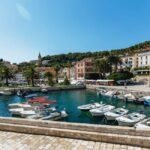
Meeting at Split Port and finding your guide fast
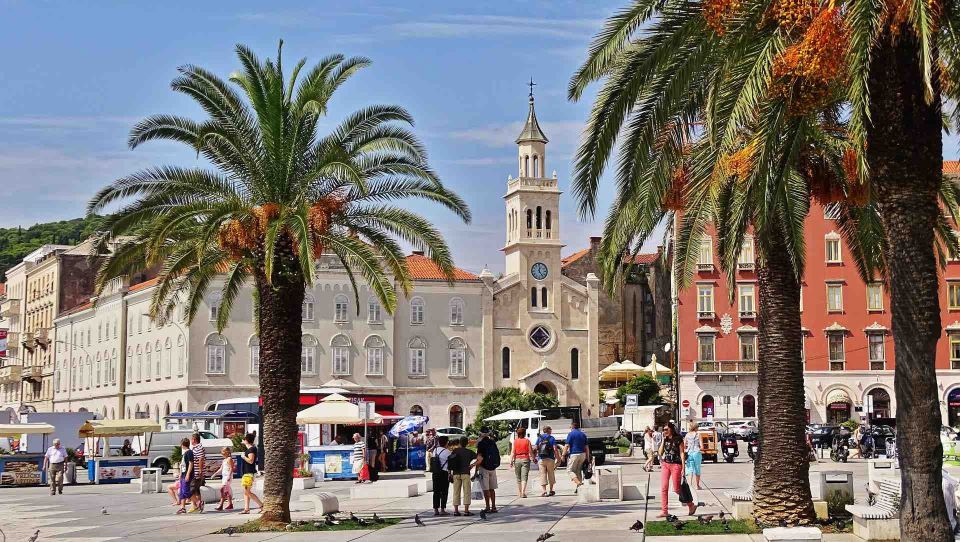
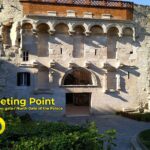
You start at the Split Port, at Trg Braće Radić. Your guide meets you in front of the big red SPLIT sign, holding a My Special Tour sign.
This kind of clear meeting setup matters more than people think. Ports can be confusing, and a missed start can cascade into a ruined morning. The good news: the meeting instructions here are very specific, and the tour returns back to the same meeting point at the end.
The tour runs in English, so you’re not guessing about translation quality mid-walk. And there’s no hotel pickup, which means you should plan to get there under your own steam.
The 70-minute palace walk: what you’ll actually cover
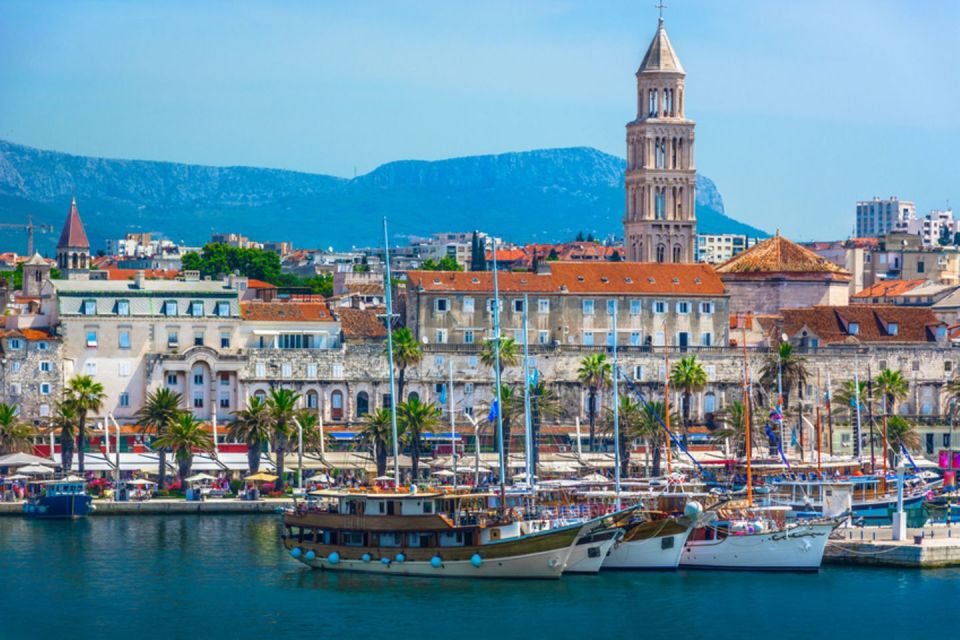
The tour is built for focus. You spend about 70 minutes with your guide, strolling through the Old Town area and key sections of Diocletian’s Palace.
This is important: you’re not doing an all-day museum marathon. Instead, you’re getting a guided route through the standout parts, with explanations as you move. For many visitors, that’s the sweet spot—enough time to understand what you’re looking at, not so long that you lose energy or patience.
Also, the palace is old—about 1,700 years old—and it’s a living part of the city now. That’s why walking matters. You’re not only seeing stones; you’re seeing how the city grew around them.
The tour’s confirmed stops include:
- Peristyle Square
- Underground cellars
- Temple of St. Jupiter
- Cathedral of St. Duje
- Plus additional highlights in the special old portion of Split
Peristyle Square: the palace’s main stage

Peristyle Square is where the palace shows off its layout. It’s an open, memorable space inside the complex, and it works well early in the morning because you can actually look at proportions instead of just snapping photos.
This stop is more than dramatic architecture. It’s the kind of place where a guide’s context matters. Diocletian’s Palace wasn’t built as a single monument you pass by; it’s a whole system—corridors, courtyards, and ceremonial spaces that shaped how people moved and lived.
When you reach Peristyle Square, you’ll get a sense of the palace as a designed environment rather than a pile of ruins. That shift in understanding is one of the biggest reasons guided tours help here.
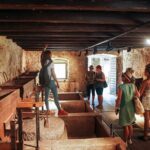
Underground cellars: cool air and a different Roman perspective
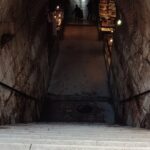
Next comes the underground cellars. This is where the palace stops being only about what you see above ground.
Cellars change the feeling of the site. They suggest storage, daily function, and the practical side of the palace—not just the grandeur. Even if you’re not a hardcore history person, the contrast helps. You come from bright open spaces into a more sheltered setting, and the Roman story becomes more tangible.
This is also a smart “variety” stop in a short tour. After a courtyard moment, you get a different sensory experience—light, space, and atmosphere. That keeps the pace from becoming repetitive.


Temple of St. Jupiter: where religion ties into the architecture
The tour then includes the Temple of St. Jupiter. This matters because Diocletian’s Palace is not only about power and living quarters. It also includes religious and ceremonial elements tied to its original purpose.
You’re essentially looking at how beliefs were built into the site’s geography. The temple area helps explain why the palace was designed with more than just comfort in mind. It’s about ritual space and meaning, placed right within the palace complex.
Guides can make this kind of stop either dry or clear. From what I’ve seen in how this tour performs, this is where the right narration helps you connect dots without drowning in dates.
Cathedral of St. Duje: Roman-to-Christian continuity in one stop
The cathedral stop—St. Duje—helps explain how the palace stayed relevant. The Cathedral of St. Duje is part of the Diocletian’s Palace story now, not just a separate chapter you read about later.
This is one of the most useful “connective” moments of the tour. You see how buildings and sacred spaces can shift over centuries while still occupying similar ground. That continuity is part of why Diocletian’s Palace doesn’t feel like a sealed time capsule.
It’s also a calmer type of moment in the route. After visiting more architectural spaces like squares and temples, the cathedral offers a different kind of focus. The guide’s explanations here help you understand why people still care about this place.
Old Town streets outside the palace walls
Between the palace highlights, you’ll also move through the Old Town area—Split’s older street network that grew up around and within the palace footprint.
This is where you get the “city” version of Diocletian’s Palace. The palace isn’t isolated. It’s stitched into daily walking routes, shops, and the movement of people through the historic core.
In a short 70-minute tour, this broader Old Town portion can be either a strength or a mismatch, depending on what you want. If you like the city as a living place, this added context helps. If you came only for palace interiors and walls, you might wish the emphasis stayed more strictly inside.
Your guide Duje: humor, local pride, and clear storytelling

The guide name that shows up again and again here is Duje. He’s described as incredibly knowledgeable, with a talent for subtle, academic-style storytelling—plus real humor. In fact, one note even singled out how funny and welcoming his delivery felt.
That combination matters. In a place like Split, you can read a guidebook and still feel like you’re staring at architecture with missing context. A guide who can connect the stones to how the site worked makes the whole walk click.
Duje is also described as passionate about Split—so much so that he’s involved in local politics. That kind of involvement tends to show up as pride, but also as practical perspective. You get answers that feel grounded in a person who lives with the place, not just someone who learned it for a script.
Is the $29 price fair for a 70-minute walking tour?
At $29 per person, the price sits in the budget-friendly range for a guided experience that includes a real Roman World Heritage setting.
Here’s why it can be good value:
- You’re paying for a guide, not just entry to a museum
- The tour is short (70 minutes), so you get efficient time with expert context
- The stops are the heavy hitters: Peristyle Square, cellars, Temple of St. Jupiter, and St. Duje
Also, early tours often save you money indirectly. If you’re able to enjoy the site more comfortably because you’re out before the busiest hours, you’re less likely to waste time waiting, rerouting, or trying to photograph around crowds.
That said, value depends on expectations. One downside that came up was feeling that the tour spent less time inside the palace than desired, with more general Split “tourist pointers.” So if you’re aiming for maximum palace immersion, this price might still be fair—but your satisfaction will hinge on your patience with the balance.
What can go wrong: no-show and late cancellation risk
Most experiences go smoothly, but you should know two problem patterns can happen with group tours:
- A no-show report
- A late cancellation when there weren’t enough people to run the group
These aren’t guarantees of trouble. They’re just the reality of small-group scheduling and vendor operations.
If you’re traveling during peak season or with tight plans, it’s smart to keep a backup idea for your morning. Early tours are popular, and you don’t want your whole day anchored to a single meeting time with no flexibility.
Who this earlybird tour is best for
This tour fits best if you want:
- A calmer morning in Split
- Key palace sights in a compact, guided route
- Explanations that help you understand Diocletian’s Palace as a living part of the city
It may be less satisfying if you:
- Want a long, detailed, inside-the-palace-only deep exploration
- Prefer to spend most of the time strictly in interior spaces
If you’re the kind of traveler who likes to see the big landmarks first, then go back on your own later with fresh context, this is a strong opener.
Should you book the Split Old Town & Diocletian’s Palace earlybird tour?
If you’re coming to Split and want to beat heat and crowds while still getting the important Diocletian’s Palace stops, I’d say yes—especially for the early timing and the guide energy. Duje is a big reason this works: the storytelling approach sounds more like a knowledgeable local sharing the site with you than a scripted history lecture.
Book it if:
- You like short, well-paced walks
- You want Peristyle Square, the underground cellars, Temple of St. Jupiter, and St. Duje in one go
- You appreciate morning peace in summer
Skip or reconsider if:
- You’re fixated on spending a lot of extra time strictly inside palace areas
- Your schedule cannot handle the possibility of group-size issues
FAQ
How long is the Earlybird Walking Tour?
It lasts 70 minutes.
What is the price per person?
The price is $29 per person.
What sights will I visit?
You’ll see Peristyle Square, underground cellars, the Temple of St. Jupiter, the Cathedral of St. Duje, and more in the Old Town/palace area.
Where does the tour start?
Meet your guide at Split Port, Trg Braće Radić, in front of the big red SPLIT sign, holding a My Special Tour sign.
Where does the tour end?
The tour ends back at the meeting point.
What’s included in the tour price?
A walking tour and a guide are included.
Is hotel pickup included?
No, hotel pickup and drop-off are not included.
What language is the tour offered in?
The tour is offered in English.
Is there an option to reserve and pay later?
Yes, you can reserve your spot and pay nothing today.
What is the cancellation window for a full refund?
You can cancel up to 24 hours in advance for a full refund.