REVIEW · SPLIT
Split: Palace & Old Town Private Walking Tour-Entrance incl.
Book on GetYourGuide →Operated by Split Guide · Bookable on GetYourGuide
Roman Split hits fast. This private walk through Diocletian’s Palace and the old town makes the stones feel alive, with Diocletian’s cellars and the Cathedral of Saint Domnius as the big wow moments. I also like that entrance fees for the cathedral, baptistery, and palace cellars are included, so you keep moving through the story instead of stopping for tickets. The main drawback: if events or church services block a site, the route can change a bit, and a few interiors may not be available.
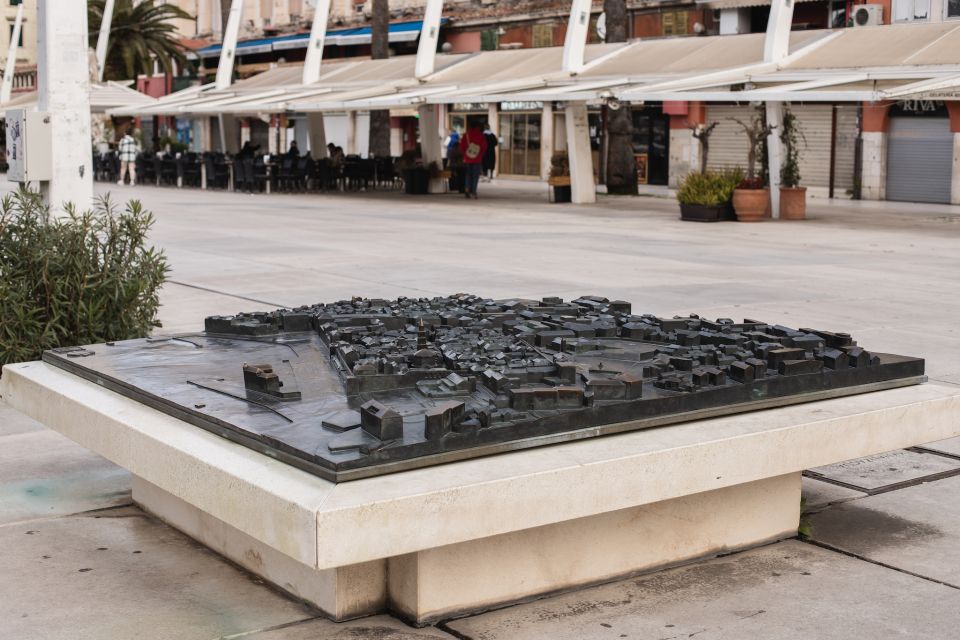
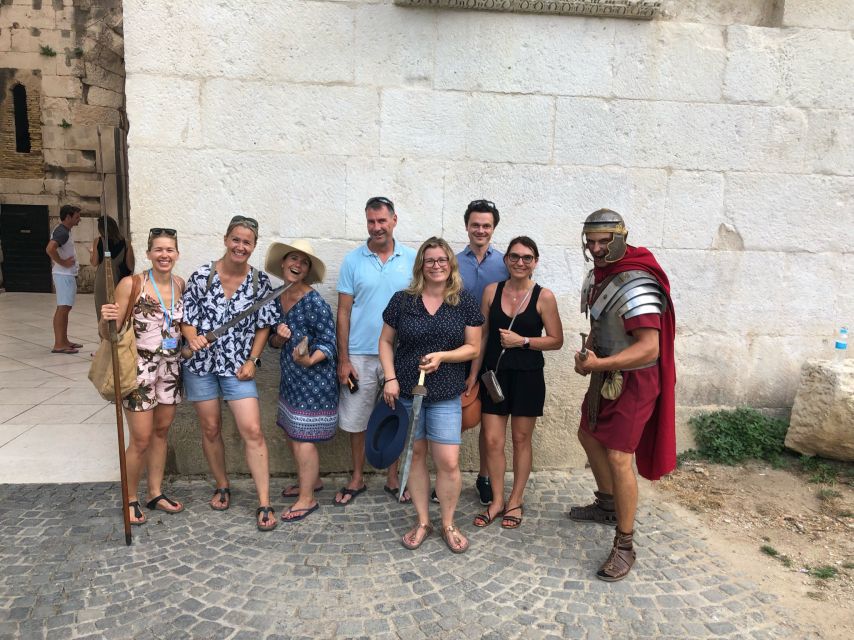
What you really get here is a guide who can shape the pacing for a small private group (max 10) while you walk through the palace’s layout and then into the medieval-and-Venetian streets that surround it. The tour starts on the Riva promenade by the bronze model of Split’s core, then works its way through gates, squares, and key monuments, ending around Trg Republike (Prokurative), where you can relax with a coffee and people-watch.
This is also a walking tour with some stairs. That’s part of the fun because you’ll climb up from the palace cellars toward the main ceremonial spaces, but it’s worth planning on good shoes. The tour can be adapted for special needs if you tell the operator ahead of time, and some sections are not wheelchair accessible.
In This Review
- Key Points You’ll Care About
- Starting on the Riva: Get Oriented Before You Enter the Palace
- Diocletian’s Palace Walk: South Gate, Cellars, and the Feel of Roman Scale
- Cathedral of Saint Domnius: A Mausoleum Becomes a Church
- Jupiter’s Temple and the Peristyle: Roman Worship You Can Actually Picture
- The Palace Layout Stops: Gates, Rooms, and Courtyard Logic
- Squares That Feel Like Venice: Narodni trg (Pjaca) and Old Town Center Life
- From Fruit Square to Loggia and Golden Gate: Reading the Streets Between Big Sites
- Prokurative (Trg Republike): Where the Tour Ends and Your Break Starts
- How Good Is the Value at $192 Per Person?
- Who This Private Walking Tour Fits Best
- Should You Book This Split Palace & Old Town Tour?
- FAQ
- How long is the Split Palace & Old Town Private Walking Tour?
- What entrance fees are included?
- Is this a private tour? How big is the group?
- Where does the tour start and end?
- What if church services or events prevent visiting a site?
- Is the tour wheelchair accessible?
Key Points You’ll Care About
- Entrance fees are built in for the cathedral, baptistery, and palace cellars, so your time stays on-site.
- Small private group (up to 10) means fewer bottlenecks and more room for questions.
- Peristyle and temple moments connect Roman power to Christian worship in a way that’s easy to follow on foot.
- A structured route through gates and rooms helps you read Diocletian’s Palace instead of just passing by it.
- You finish at Prokurative (Trg Republike)—a practical spot to wind down with cafes and a lively square feel.
- Your program can adjust if access is limited by events or church services.
Starting on the Riva: Get Oriented Before You Enter the Palace
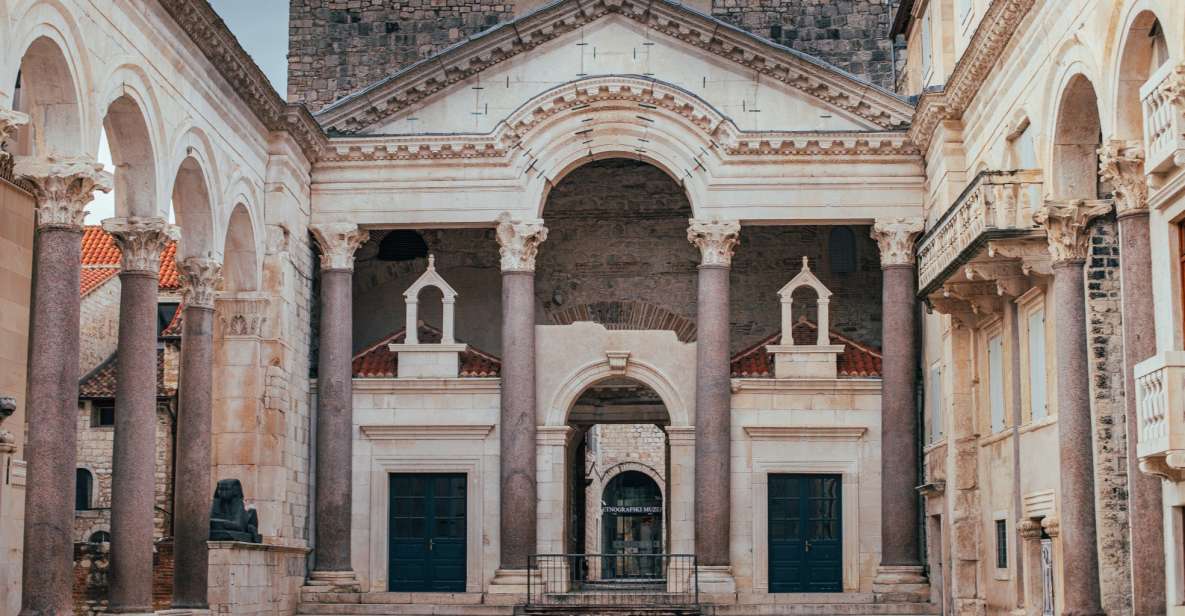
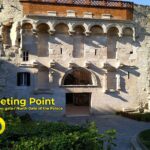
I love how this tour begins in a place where you can read the city at a glance. You meet on the Riva promenade, specifically at the bronze model of the historical core of Split. Even if you’ve seen photos before, a model like that helps your brain lock onto the shape of the old center right away—where the palace sits, where the streets flow out, and why this area has always mattered.
From there, you’ll head toward the south gate of Diocletian’s Palace. This matters because it’s not just a random wandering pace. The guide uses that first leg to set up the palace as a designed world—Roman, controlled, and built to impress.
If you choose the other starting option, you’ll meet at a public mock-up of the palace-area core. Either way, the goal is the same: get your bearings fast so the rest of the walk makes sense.
You can also read our reviews of more walking tours in Split

Diocletian’s Palace Walk: South Gate, Cellars, and the Feel of Roman Scale
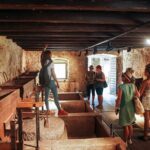
Once you’re in the palace area, the tour moves quickly from “outside impression” to “inside atmosphere.” You’ll get a guided visit of about 20 minutes in Diocletian’s Palace, then drop into the cellars for about 20 minutes.
This is the part I’d call the sensory reality check. The cellars help you understand that Diocletian’s Palace wasn’t just a grand setting for ceremonies—it was a working, reinforced complex built to last. You’re essentially touring the understructure of Roman ambition, where the stone and the layout explain the palace’s former splendor in a way that a rooftop view can’t.
Practical tip: wear shoes that handle uneven old-stone surfaces. You’ll be walking continuously, and you’ll likely have a few moments where attention to footing beats heroic posture.
A private guide makes a difference here because they can point out what to notice while you’re moving: where Roman space transitions into later uses, and how the palace’s design frames the rest of old Split.
Cathedral of Saint Domnius: A Mausoleum Becomes a Church
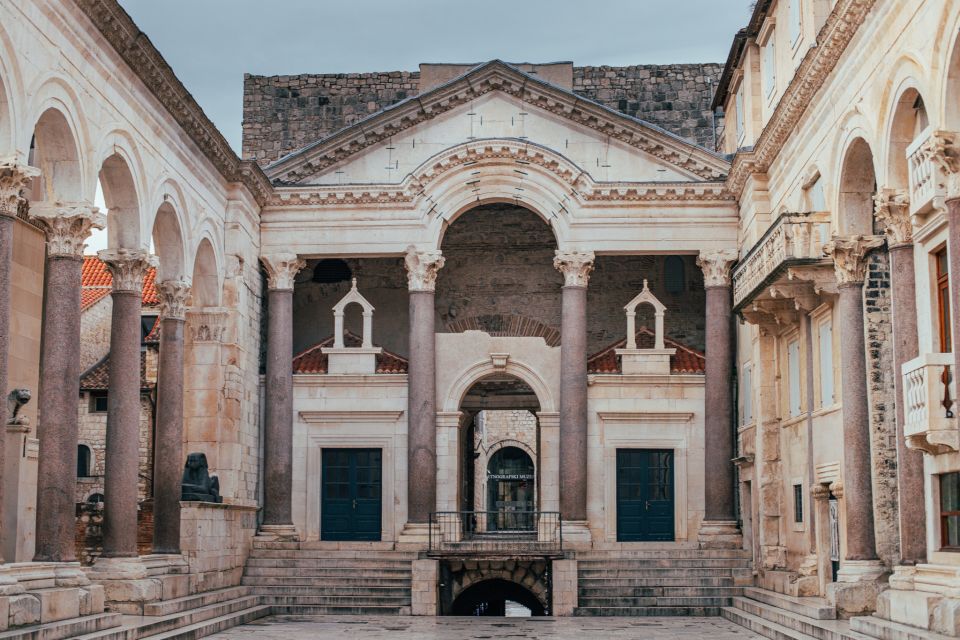
Next comes Split Cathedral—officially the Cathedral of Saint Domnius. You’ll spend about 20 minutes here, and the entrance is included (and the baptistery too).
This is one of those moments where the story behind the building does half the work. In Diocletian’s time, this sacred spot was originally intended as the final resting place of Emperor Diocletian. After the Christianization, it became a majestic place of worship. So you’re not just looking at a church. You’re seeing the layers of belief shift, while the core location stays powerful.
If the cathedral or baptistery can’t be visited from the inside due to services or events, the tour includes a refund of the entrance fee for those parts. That’s a small detail, but it matters because the whole point of building this into the experience is getting inside when possible—not just staring from the sidewalk.
Jupiter’s Temple and the Peristyle: Roman Worship You Can Actually Picture
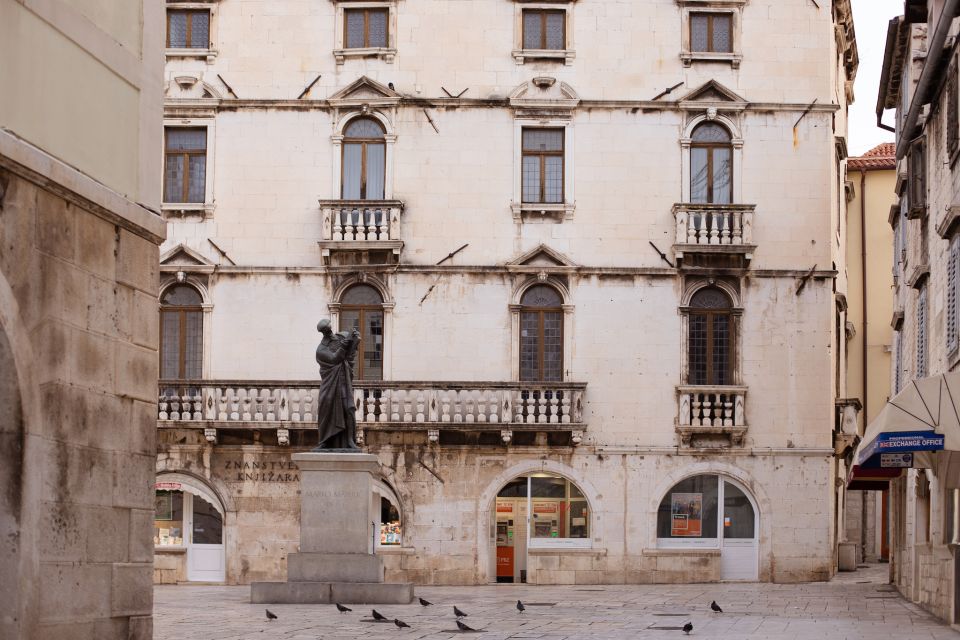
After the cathedral, you step into the older Roman sacred layer with about 10 minutes at Jupiter’s Temple. The key detail here is the coffered ceiling, which is called out as a standout feature. Even without getting lost in architectural terms, you can still appreciate the emphasis on craft and authority.
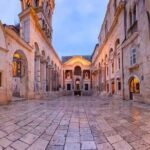
Then the tour climbs up to the Peristyle. At the Peristyle (you’ll get roughly 10 minutes), Emperor Diocletian presented himself as the son of Jupiter and was worshipped by his subjects. This isn’t just a historical line on a plaque. It changes how you read what you’re standing in. The space isn’t neutral. It’s ceremonial.
I like this sequencing: first you see Christian worship, then you go back in time to Roman divinity. The contrast lands harder because it’s walking-distance comparison.
If you’re wondering why a short stop at each site works, here’s the practical answer: the tour isn’t trying to drain you with lectures. It’s giving you just enough time to see the important features, then moving you along before your brain overloads.
The Palace Layout Stops: Gates, Rooms, and Courtyard Logic
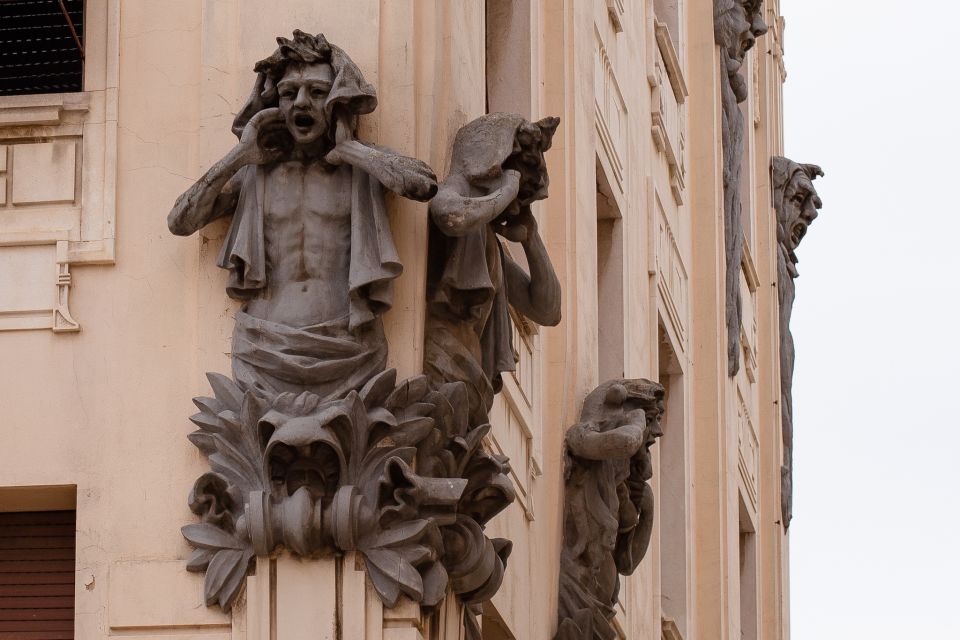
Between the headline monuments, the guide brings you through several named palace points that help you understand how Diocletian’s world was organized. These are shorter stops, but they’re part of what makes the walk feel like a guided tour instead of a checklist.
You’ll see:
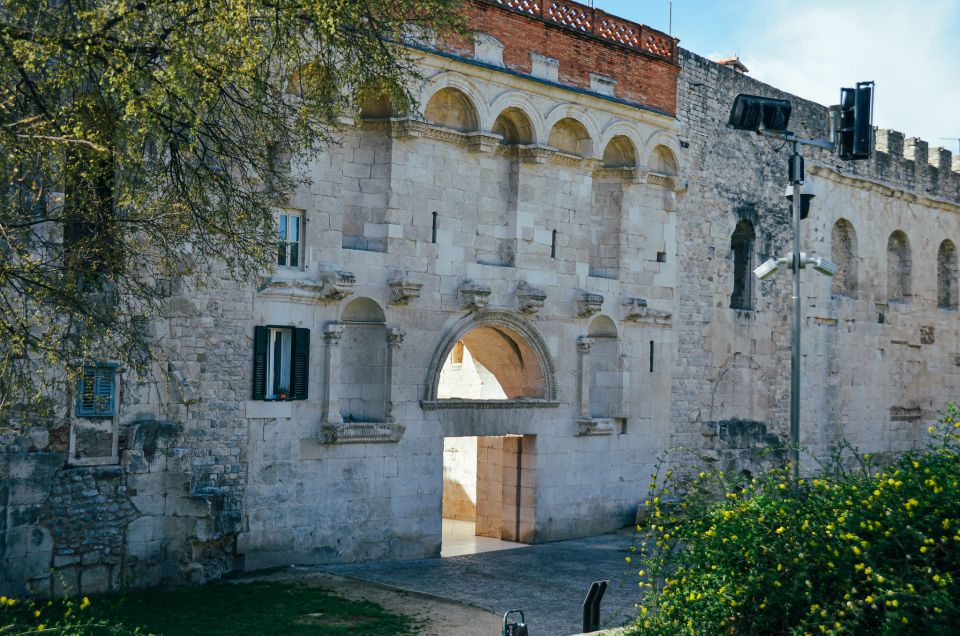
- Silver Gate (about 5 minutes, guided)
- Triklinij (about 5 minutes, guided)
- Vestibul (about 10 minutes, guided)
- Then back into the Peristyle area as the central ceremonial focus
- Later, you’ll move through additional old-town connectors like Fruit Square and other historic lanes
I find this “connector” part genuinely useful. It helps you stop thinking of the palace as one big museum. Instead, you start reading it as a set of linked zones—approach, entry, ceremonial core, and the spaces around it.
And because it’s private, you can ask for clarifications without slowing down a big crowd. That makes the 2.5-hour format feel more efficient, not rushed.
You can also read our reviews of more private tours in Split





Squares That Feel Like Venice: Narodni trg (Pjaca) and Old Town Center Life
Once you leave the palace center, you shift into the old town’s street rhythm. You’ll spend about 10 minutes at Narodni trg, also known as Pjaca.
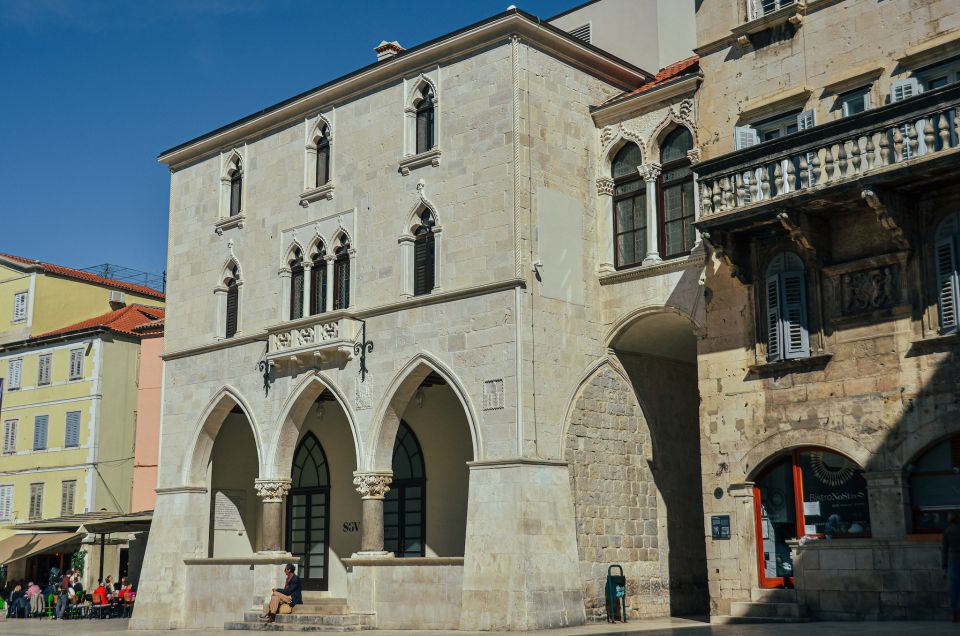
This square has been the heart of Split since the Middle Ages, and it still functions as a central, everyday meeting point. The tour also highlights the surrounding Venetian palaces and notes that it’s home to the city’s historic town hall. If you’re looking for a place where architecture and daily life overlap, this is a good one to experience with a guide.
One reason I like this stop: you’re not stuck only with Roman artifacts. You’re getting the later “how the city evolved” layer—how Split didn’t just preserve the palace, it grew around it.
Expect activity here. Not because the tour is selling chaos, but because this is genuinely where people cross paths.
From Fruit Square to Loggia and Golden Gate: Reading the Streets Between Big Sites
Between the palace core and the final square, you’ll pass through more historic points, each with a short guided moment. These include:
- Fruit Square (about 10 minutes, guided)
- City Lodge / Loggia (about 5 minutes, guided)
- Golden Gate (about 10 minutes, guided)
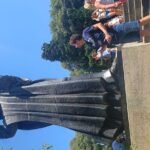
- Gregory of Nin (about 5 minutes, guided)
You’ll also have smaller guided moments around:
- Split Fishmarket (about 5 minutes, guided)
- Marmontova ulica (about 5 minutes, guided)
I’ll be honest: these are the stops you appreciate more once you realize the route is designed to keep your attention moving. Each one acts like a “pause and reset” while the guide links the palace to the street network.
Also, these shorter segments give you a chance to observe the present-day city without losing the historical thread. It’s the kind of pacing that works well in warm months, when long, uninterrupted museum-style time gets tiring.
Prokurative (Trg Republike): Where the Tour Ends and Your Break Starts
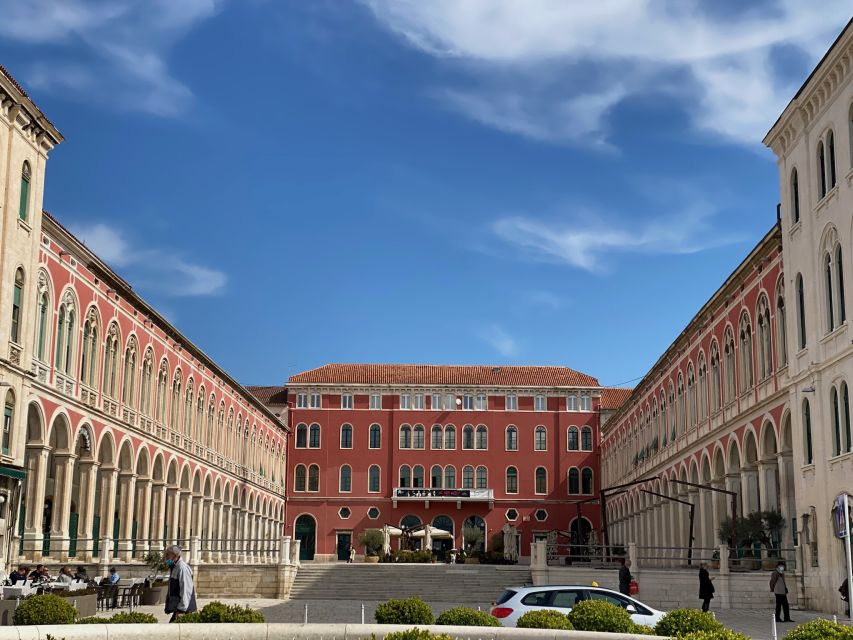
The tour finishes in Prokurative, at Trg Republike. You’ll be guided through the end of the route, and then you’re free to linger.
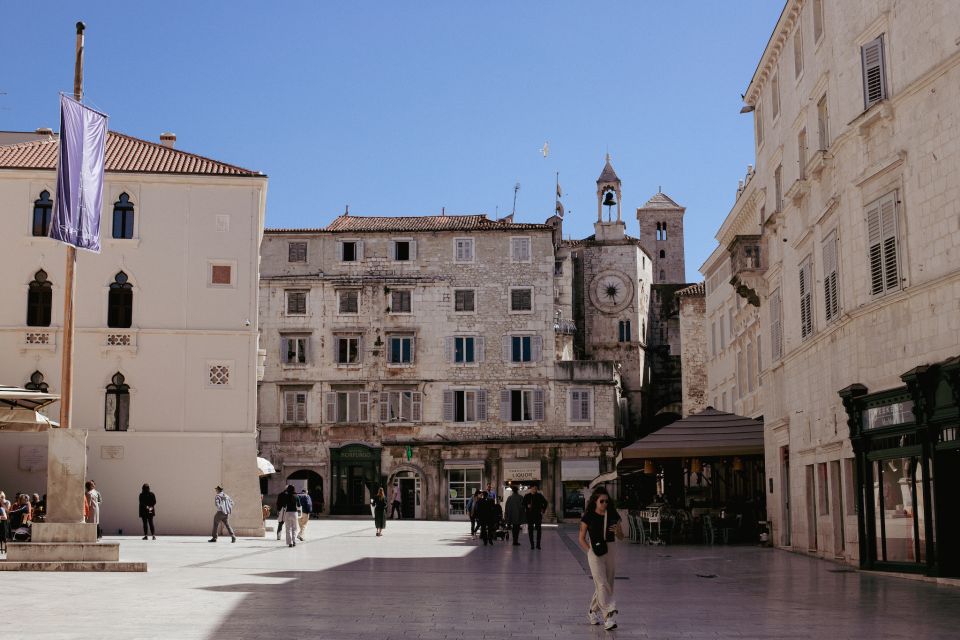
This is a smart ending point because the square is described as reminiscent of St. Mark’s Square in Venice, and it’s lined with cafes and restaurants. You’ll have an easy transition from history to food, with plenty of places to sit down and let the details settle.
If you’re planning the rest of your day, this is where you can make a clean decision: either stay in the square for a relaxed lunch, or head off on your own with your new understanding of how Diocletian’s Palace connects to the living old town.
How Good Is the Value at $192 Per Person?
At $192 per person for about 2.5 hours, this isn’t a cheap tour—but it’s not priced like a vanity experience either.
Here’s what you’re paying for, practically:
- It’s private with a group size up to 10, so the guide can tailor pacing and answer questions.
- The tour includes entrance fees for the cathedral, baptistery, and palace cellars, which are the core interior stops you’d otherwise need to plan separately.
- You also get skip-the-ticket-line convenience for those included parts, which saves time when you’re traveling in a popular city.
So the value question comes down to this: do you want a guided, inside-focused experience rather than a self-guided wander? If you like understanding what you’re looking at—why the Peristyle matters, what “Jupiter’s Temple” signifies, and how the cathedral changed function—then the price starts to feel reasonable.
If you’re traveling solo on a strict budget and you’re comfortable reading on your own, you might question the cost. But if you want a structured walk with interior access baked in, this is closer to “pay once, enjoy the flow” than “nickel-and-dime sightseeing.”
Who This Private Walking Tour Fits Best
This is a great match if you:
- Want Roman-to-Christian transformation explained clearly as you walk.
- Prefer a small private group instead of a crowded tour.
- Like history but also want it tied to real spaces you can stand in (cellars, ceremonial courtyards, key gates).
- Plan to spend more time in Split afterward and want a solid orientation first.
It’s less ideal if you:
- Have a very limited tolerance for stairs and uneven surfaces. (The tour can be adapted, but it’s still partially not wheelchair accessible.)
- Want a very long, slow museum-style experience. This is 2.5 hours of purposeful coverage.
Should You Book This Split Palace & Old Town Tour?
I’d book it if you want Split to make sense fast. The biggest strength here is that the guide ties together the palace’s ceremonial logic, the cathedral’s transformation story, and the old town’s later layers—without turning the day into a slog.
I’d skip—or at least compare with alternatives—if you’re only interested in quick exterior photos or you don’t care about going inside the cathedral areas and the palace cellars. Since those interiors are a major part of the included value, the tour works best when you actually want to be inside.
If you can, wear comfortable shoes, bring a water bottle, and plan to end your day in Prokurative with something simple to eat. You’ll get the most satisfaction when your last stop lets you enjoy the city with fewer mental notes and more relaxed time.
FAQ
How long is the Split Palace & Old Town Private Walking Tour?
The tour duration is 2.5 hours. Check availability to see starting times.
What entrance fees are included?
Entrance fees for the Cathedral (Saint Domnius), the baptistery, and Diocletian’s Palace cellars are included.
Is this a private tour? How big is the group?
Yes. It’s a private group designed for a maximum of 10 participants.
Where does the tour start and end?
The start location may vary depending on the option booked (for example, the bronze model of Split’s historical core or a public mock-up). The route finishes at Prokurative (Trg Republike), and the activity description notes the tour ends back at the meeting point.
What if church services or events prevent visiting a site?
If some sights cannot be visited due to events or church services, the program may be slightly changed. If the cathedral, baptistery, or palace cellars cannot be visited from the inside, you receive a refund of the entrance fee for the missed interiors.
Is the tour wheelchair accessible?
The site is partially not wheelchair accessible, but the tour can be adapted to special needs if you inform the provider in advance.