REVIEW · SPLIT
SPLIT-PRIVATE Walking Tour of Diocletian’s Palace & Old Town
Book on Viator →Operated by Walking Tour of SPLIT · Bookable on Viator
Roman walls, lived-in today. This private 2-hour walk through Diocletian’s Palace turns UNESCO stonework into a clear story, then threads you through medieval Split so you know what you’re looking at.
I also like the small private group setup (up to 12). You move at a human pace, ask questions, and actually get your bearings around Old Town. One possible drawback: a good chunk of the experience is in the palace substructures and indoor spaces, so it’s not a pure open-air stroll.
In This Review
- Key highlights
- Split in 2 Hours: Diocletian’s Palace Meets Old Town
- Price and Logistics: A Private Group Up to 12, With a Mobile Ticket
- Palazzo di Diocleziano: The UNESCO Palace and the Story Behind Its Layout
- The Golden Gate, Peristyle, and Vestibulum: Turning Landmarks Into Orientation
- Temple of Jupiter and the City Clock: Small Stops That Add Roman Texture
- Diocletian Palace Substructures: The Best-Preserved Part (and Why It Matters)
- Old Split Squares and Statues: Grgur Ninski, Marul, and People’s Square
- Cathedral of Saint Domnius and Optional Fees: How to Control Your Total Cost
- Riva Harbor Finish: Ending Where Split Feels Like Split
- Who Should Book This Split Private Walking Tour?
- Should You Book This Split Private Walking Tour?
- FAQ
- How long is the Split private walking tour?
- How much does the tour cost?
- Is this tour private?
- What language is the tour offered in?
- What is included in the tour price?
- Is the Cathedral of Saint Domnius included?
- Is the Temple of Jupiter included?
- Is the Museum of Diocletian’s Cellars included?
- Does the tour include any theatre show?
- What happens if the weather is bad or I need to cancel?
Key highlights
- UNESCO Diocletian’s Palace (built around AD 305) explained in plain, memorable pieces
- Old Town orientation stops that help you navigate Split fast
- Iconic palace entrances and spaces like the Golden Gate, Peristyle, and Vestibulum
- Time in the palace substructures, which can feel more like an historical visit than sightseeing
- Optional add-ons at low extra cost, including St. Domnius and Temple of Jupiter
- A licensed resident guide who keeps the tone fun and approachable, often with strong storytelling
Split in 2 Hours: Diocletian’s Palace Meets Old Town
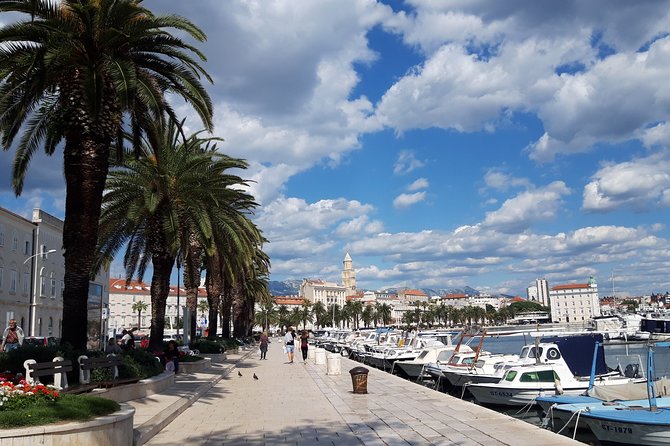
If you only have a short window in Split, this tour is built for that reality. In about two hours, you’ll go from Roman power (Emperor Diocletian’s world) to everyday medieval life (the streets and squares that grew inside and around the palace).
The goal is not just to point at buildings. It’s to help you read Split like a layered book. You’ll hear how the palace was laid out, why certain spots mattered, and how those Roman spaces became part of daily town life. That’s what makes the walk feel efficient without feeling rushed.
You’ll also get a few classic “where am I?” landmarks along the way, so the rest of your day in Split feels easier.
You can also read our reviews of more walking tours in Split

Price and Logistics: A Private Group Up to 12, With a Mobile Ticket
This is a private tour for your group only, with a group size that can be up to 12 people. The price is $240 per group, not per person. That matters for value. If you’re traveling with a couple of friends or family members, you can stretch that cost far better than if you were booking individual tickets for guided sightseeing.
It runs in English, and you’ll get a mobile ticket. The meeting point is Obala Hrvatskog narodnog preporoda 22, 21000 Split, and the tour ends back at the same place.
It’s designed as a walking tour, but it’s also timed to fit real-world comfort. You’ll cover several palace and Old Town stops without turning it into a long hike.
One practical note: the experience requires good weather. If conditions are poor, you’ll be offered a different date or a refund. Since you’re walking and moving between outdoor and indoor spaces, weather can change the comfort level fast.
Palazzo di Diocleziano: The UNESCO Palace and the Story Behind Its Layout
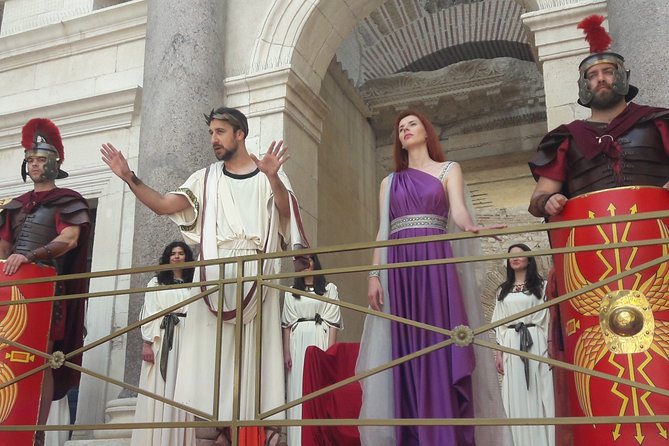
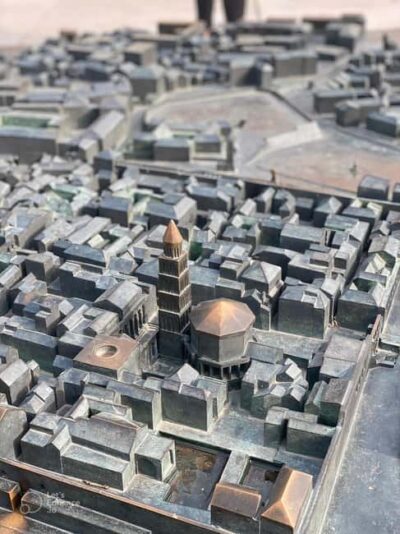
You start with the main idea of Split: Diocletian’s Palace, a UNESCO World Heritage Site built in AD 305. The guide leads you through it as a living plan of power. You’re not just seeing old stones; you’re learning what the spaces were for and how they connect.
Key moments you’ll hit include major palace access points and ceremonial spaces, which help you understand the bigger picture quickly. Expect the tour to connect the dots between:
- where the palace’s main entrance leads
- why certain squares and courts became important later
- how Roman architecture still shapes modern streets
From the outside and through guided stops, you’ll also catch the “today” side of the palace. This is one of those rare UNESCO sites where normal life still happens inside the ancient walls.
The Golden Gate, Peristyle, and Vestibulum: Turning Landmarks Into Orientation
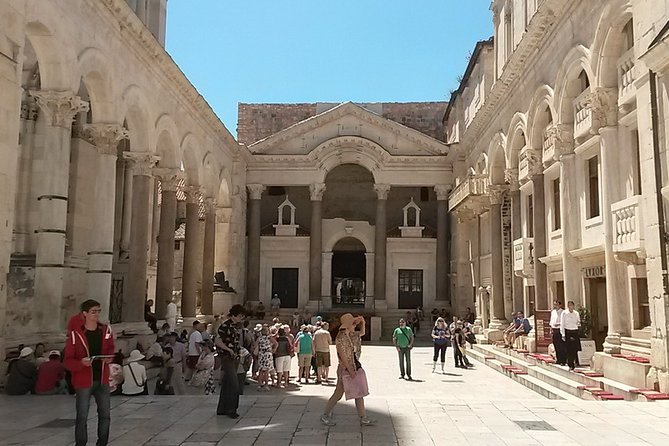
Once you’re inside the palace world, you’ll visit some of the spots that act like navigation anchors.
You’ll see the Golden Gate, described as the main and most beautiful entrance into the palace. Even if you’re not an architectural nerd, it helps your brain lock onto where you are in the complex.
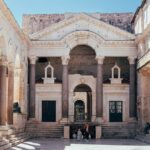
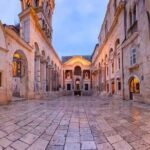
Next comes the Peristyle, often treated as the heart of Split town. This is where the tone shifts from “Roman fortress” to “community space.” The Peristyle is one of those places that feels both grand and practical because people still use the surrounding area.
Then you’ll pass the Vestibulum, the main entrance to Diocletian’s private residence. It’s a small detail on a walking itinerary, but it’s useful. It shows you the line between public movement and private imperial space.
All these quick stops are short (minutes, not half-hours), but the payoff is huge. By the end, you’ll have a mental map you can reuse while wandering on your own.
Temple of Jupiter and the City Clock: Small Stops That Add Roman Texture
Two of the most fun parts of this walk are the shorter “blink and you miss it” moments—except you won’t miss them.
You’ll visit the Temple of Jupiter from outside. If you want to add an interior visit, there’s an optional fee of €1.5 per person. Even without going in, it gives you a concrete connection to Roman religion and urban design.
Then there’s the City Clock, a 500-year-old 24-hour clock. It’s the kind of detail you might see on your own and forget. With a guide pointing out what you’re looking at, it becomes a time capsule of how people organized daily life long after the Roman era.
These stops make the tour feel more like a guided walk through lived-in layers, not just a checklist of famous ruins.
You can also read our reviews of more private tours in Split





Diocletian Palace Substructures: The Best-Preserved Part (and Why It Matters)
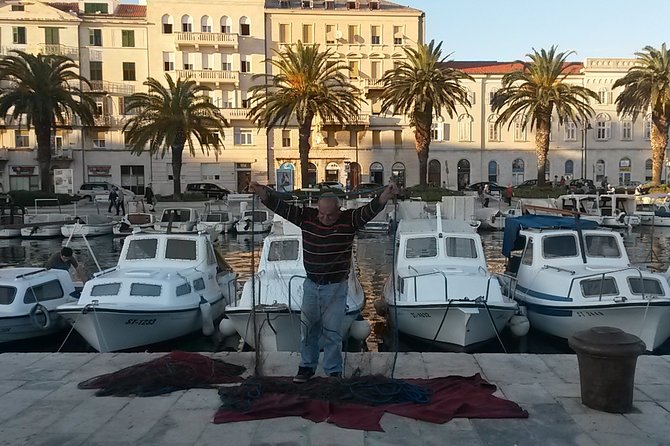
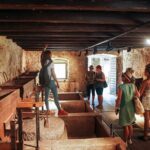
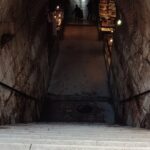
Here’s the part to plan for: a lot of this experience is tied to the palace substructures—the spaces that preserve the palace’s bones more directly than the street-level views.
The itinerary includes time at the Diocletian Palace Substructures, called the best preserved part of the palace experience. The big idea is simple: if you want to understand how the palace worked, you need to see what’s below and behind the most visible surfaces.
If you want the museum component related to the palace cellars, the Museum of Diocletian’s Cellars admission is not included and costs €10.00 per person. That means you can choose how deep to go based on your interests and budget.
This underground/indoor focus is also the main trade-off. If you’re hoping for a sunny, step-by-step sightseeing stroll, this tour does more “historical visit” than “views only.” On the other hand, if you want context, it’s exactly the right mix.
Old Split Squares and Statues: Grgur Ninski, Marul, and People’s Square
After the palace core, you transition into Old Split’s medieval street life. The walk keeps a steady pace, but it also gives you small thematic stops that add personality and local meaning.
You’ll visit the Grgur Ninski Statue, tied to one of the most important historical persons in Croatia. It’s a short stop, but it anchors a non-Roman thread in the story: Split isn’t just ancient; it’s also about later identities and cultural memory.
Then there’s Fruit’s Square (Trg Brace Radic), including the famous statue of Marul, described as the father of Croatian literature. That’s a great contrast point. You go from empire to language, from stone power to cultural power.
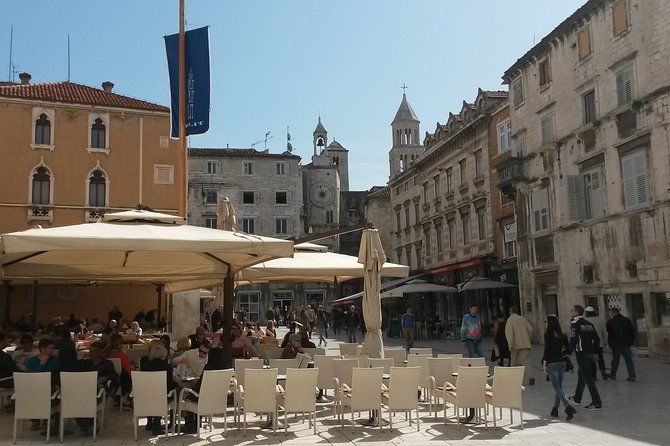
You’ll also explore Narodni Trg (People’s Square), noted as the biggest and liveliest piazza in Old Town. Even if you visit at a quieter time of day, the stop helps you feel where locals and everyday energy gather.
These spaces are ideal for photos, yes—but more importantly, they show you how Old Town works as a social stage.
Cathedral of Saint Domnius and Optional Fees: How to Control Your Total Cost
The tour includes an exterior look at the Cathedral of Saint Domnius. If you want to go inside, there’s an optional admission fee of €3.5 per person.
There’s also the optional interior for the Temple of Jupiter (mentioned earlier at €1.5 per person). Most of the other palace-and-street stops are free of admission ticket requirements during the tour.
So when you budget, think in two layers:
- the guided portion with core sites
- the “if you want more” interior visits
One more admission-related point: the Museum of Diocletian’s Cellars (€10 per person) is not included. If you skip it, you’ll still get the substructures time on the tour path—but you won’t pay for the extra museum element.
Tips for your guide are also not included, so plan a gratuity if you feel the tour earned it.
Riva Harbor Finish: Ending Where Split Feels Like Split
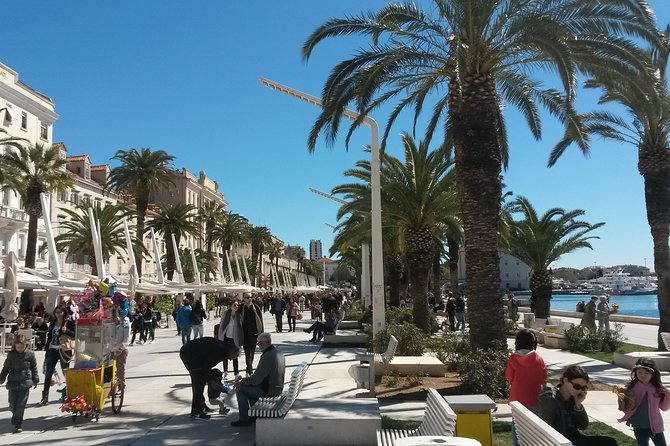
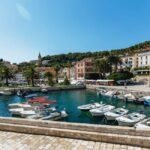
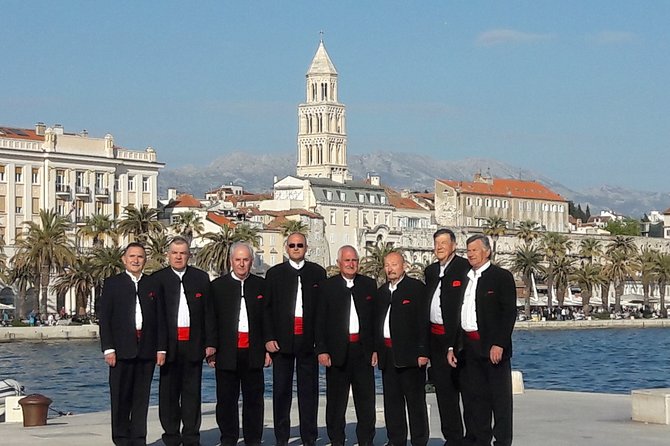
The walking tour starts and finishes at the Main Riva Promenade, with Riva Harbor included as a stop. This matters for the ending. You come out of the palace time machine and land back in the seaside rhythm of Split.
Even a short visit here helps you shift gears from historical explanation to planning your next move—coffee, a longer harbor walk, or a self-guided wander through lanes you now understand better.
Who Should Book This Split Private Walking Tour?
This is a strong choice for:
- First-timers in Split who want an orientation tour that also teaches what they’re seeing
- Families and mixed-age groups who benefit from a storytelling style and varied stops
- People who prefer a guide who can keep the pace moving and the explanations understandable, not dry lecture mode
The private format also helps if your group has specific interests, like Roman architecture, medieval town development, or just wanting a quick path to see the most important parts without planning every detail yourself.
If you’re traveling with teens, it’s worth noting that the tour’s tone has been praised for keeping younger people engaged while still covering complex material.
Should You Book This Split Private Walking Tour?
I’d book this if you want a high-impact Roman-and-medieval overview in about two hours, with a guide who can make Diocletian’s Palace feel logical and memorable. The value works especially well when your group is large enough to share the group price.
I would hesitate only if:
- you strongly prefer long outdoor promenades over any indoor/underground spaces
- you want a tour that focuses on modern sights only (this is built around ancient structure and town evolution)
- you’re trying to keep costs extremely low, since optional entries like St. Domnius (€3.5), Temple of Jupiter (€1.5), and the Cellars museum (€10) can add up if you take all of them
If you’re okay with some substructures time and you want the story behind Split’s most famous walls, this tour is a smart way to start your stay.
FAQ
How long is the Split private walking tour?
It’s about 2 hours (approx.).
How much does the tour cost?
The price is $240 per group for up to 12 people.
Is this tour private?
Yes. It’s a private tour, and only your group participates.
What language is the tour offered in?
It’s offered in English.
What is included in the tour price?
Included are a private licensed resident guide and custom-designed itinerary and tour organization.
Is the Cathedral of Saint Domnius included?
You’ll see it from outside. An optional interior visit costs €3.5 per person.
Is the Temple of Jupiter included?
You’ll see it from outside. An optional interior visit costs €1.5 per person.
Is the Museum of Diocletian’s Cellars included?
No. Admission to the Museum of Diocletian’s Cellars is not included and costs €10.00 per person.
Does the tour include any theatre show?
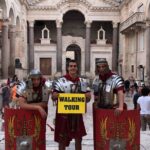
No. It does not include a costumed theatre show or similar appearance.
What happens if the weather is bad or I need to cancel?
The tour requires good weather. If it’s canceled due to poor weather, you’ll be offered a different date or a full refund. You can cancel for a full refund up to 24 hours in advance.