REVIEW · SPLIT
Split Palace & Old Town -Private walking tour- Entrance included
Book on Viator →Operated by Split Guide · Bookable on Viator
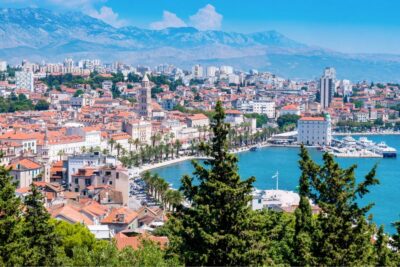
Split feels different once you trace the Roman walls. This private walking tour is all about Diocletian’s Palace and the Old Town that grew around it, with key entrances handled for you. You’ll move from the Riva to grand religious spaces, underground rooms, and the city squares where life still happens.
I love that the route is organized around the palace’s big ideas: power, worship, and daily scale. I also like that entrance tickets are included for several major stops, so you’re not burning time (or cash) buying your way into the best rooms.
One thing to consider: the tour needs good weather, and a few sights can shift if there are events or church services. That usually means a slightly altered program, not a ruined day.
In This Review
- Quick hits: what makes this tour worth your time
- Why Diocletian’s Palace is the right anchor for Old Split
- Starting at Split Riva: orientation first, photos later
- Inside Diocletian’s Palace: where power turns into religious space
- The Cathedral of Saint Domnius
- The Temple of Jupiter (now a baptistery)
- Diocletian’s Cellars: the scale you can actually feel
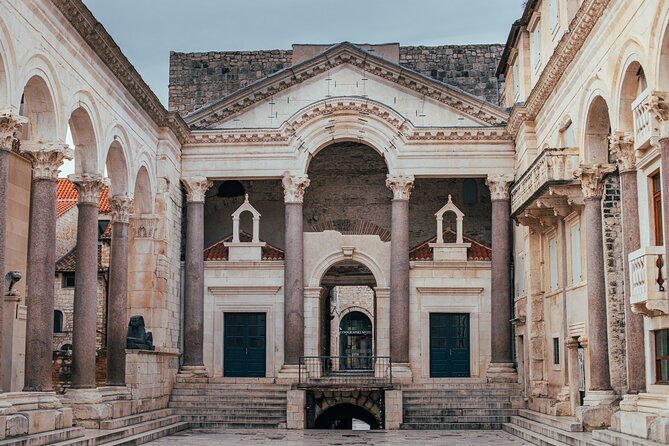
- The Peristyle and vestibule: sacred meeting and private entrances
- The Peristyle: a stage for worship
- The vestibule: the idea of private chambers
- Golden Gate and the palace walls: the Roman road connection
- Old Split streets and squares: your route feels intentional
- Narodni Trg and Voćni Trg
- Pjaca (People’s Square)
- Trg Brace Radic and Marko Marulić
- Fish Market and sulfur baths: a practical oddity with a science-y twist
- Marmontova ulica and ending at Prokurative
- Entrance fees included: where the value really comes from
- Guides matter: Dana and Jana set the tone
- Timing, weather, and when sights may shift
- Who this tour fits best (and who may want something else)
- Should you book Split Palace & Old Town?
- FAQ
- How long is the Split Palace & Old Town private walking tour?
- Is this tour private, or will I share it with others?
- What’s included in the ticket price?
- Is there a mobile ticket?
- What language is the tour offered in?
- What happens if weather is bad or a site is closed due to events or services?
Quick hits: what makes this tour worth your time
- Private pacing so you can ask questions and slow down where you care most
- Diocletian’s Palace access plus included entries for key interiors and spaces
- Cellars + public-to-private layout that helps you understand how the palace worked
- Old Town route from the palace gates to Narodni Trg, Voćni trg, and Pjaca
- Practical finishing point at Prokurative, where it’s easy to linger after
Why Diocletian’s Palace is the right anchor for Old Split
If you only wander Old Split on your own, Diocletian’s Palace can feel like a maze of stone and stories. This tour gives you the map in your head by walking the palace in a logical order, from public spaces to more private zones.
The best part is that you don’t just look. You learn how each stop fits the bigger picture. You’ll connect Roman power with later Christian use, then carry that understanding into Old Split’s squares and streets.
This is also a smart format for first-timers. You’ll get the main sights in about 2 hours 30 minutes without turning your day into a logistics project.
You can also read our reviews of more walking tours in Split

Starting at Split Riva: orientation first, photos later
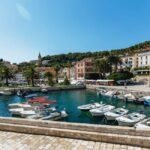
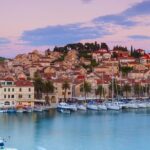
The tour begins on the Riva (the promenade of Split). It’s a good start because you’re already at the water, you get a quick city overview, and the guide can set expectations for what comes next.
You’ll also get an easy sense of direction. After this, you can follow the palace gates and street names without feeling like you’re just guessing which way the Old Town goes.
This isn’t a long “waiting around” start. It’s quick context, then you move toward the palace complex.
Inside Diocletian’s Palace: where power turns into religious space

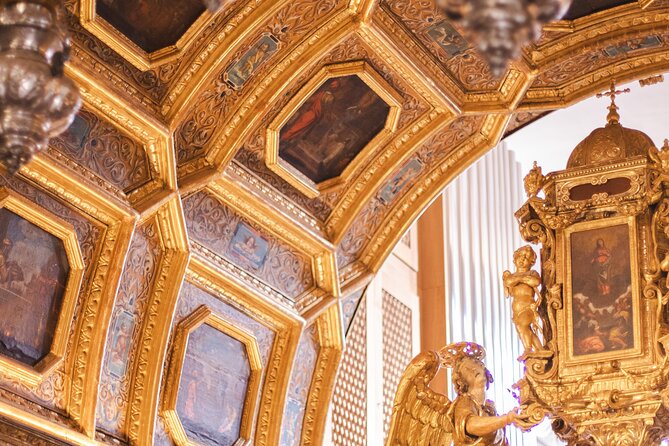
Your time inside the palace focuses on the complex as a working world, not just one building. Depending on what’s open at the time, you may also visit the basement area, the interior of the Cathedral, and the Temple of Jupiter—these are planned together and supported by included entrance fees.
The Cathedral of Saint Domnius
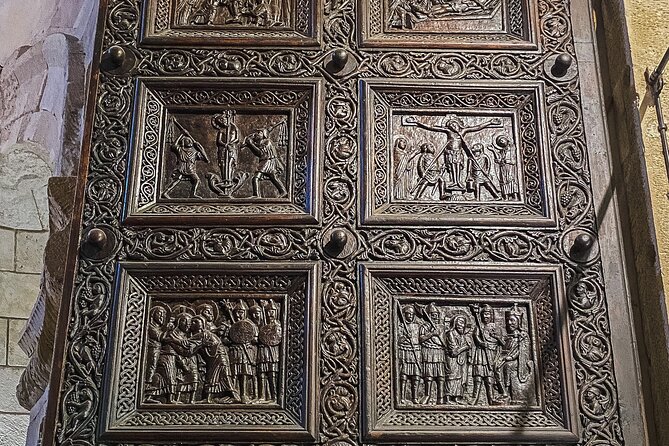
One of the headline stops is the Cathedral of Saint Domnius. It used to be the mausoleum of the late Emperor Diocletian. Over time, as Christianity took hold, the pagan emperor’s burial place became a cathedral.
That transformation is exactly what makes Split such a fascinating place to walk. You’re not only seeing a church. You’re standing in the footprint of earlier authority and later faith.
The Temple of Jupiter (now a baptistery)
You’ll also get the Temple of Jupiter, which today serves as a baptistery. The guide will point out the special ceiling design—its influence is tied to later Renaissance architects in Dalmatia.
Even if you’re not a Roman-architecture nerd, you’ll feel the difference between “ancient ruin” and “still in use.” This stop works because it connects design details to the way the space has been reused.
You can also read our reviews of more private tours in Split






Diocletian’s Cellars: the scale you can actually feel
Next come the Diocletian’s Cellars, entered through the South Gate. These underground spaces are more than 1700 years old and remain very well preserved.
What you’ll like here is the shift from monuments to function. Cellars are where you understand that the palace wasn’t only about ceremonies and views. It was built at a huge scale, with storage and infrastructure that supported the whole complex.
If you’ve ever seen a famous building and thought, Sure, but how big was it really, this is the answer. You’ll leave with a clearer sense of the palace dimensions because you’re walking in spaces that still hold their shape.
The Peristyle and vestibule: sacred meeting and private entrances
The tour doesn’t treat the palace like a straight museum line. You’ll pass through spaces connected to different kinds of presence.
The Peristyle: a stage for worship
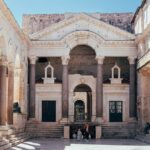
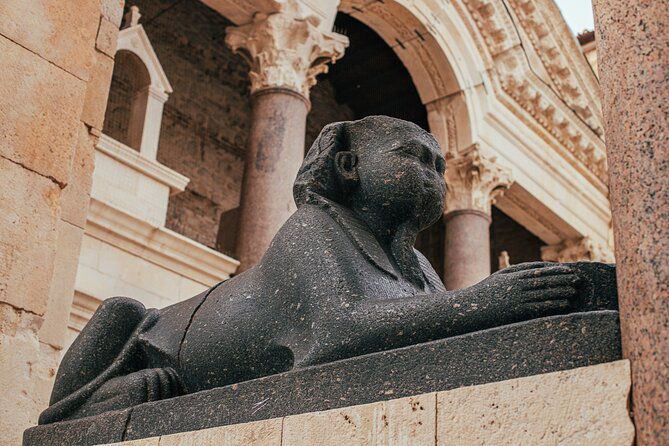
The Peristyle was a sacral meeting place in Diocletian’s time. Here, Diocletian was presented to subjects and worshipped as the son of Jupiter.
It’s a key stop because it explains why the palace feels ceremonial. Roman power wasn’t only political. It was visual, ritual, and built into the architecture.
The vestibule: the idea of private chambers
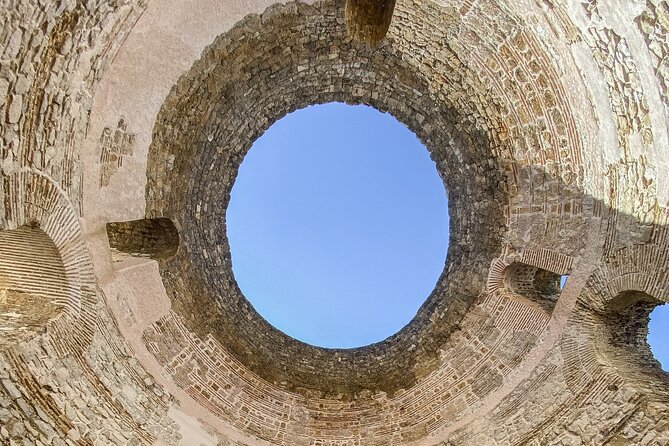
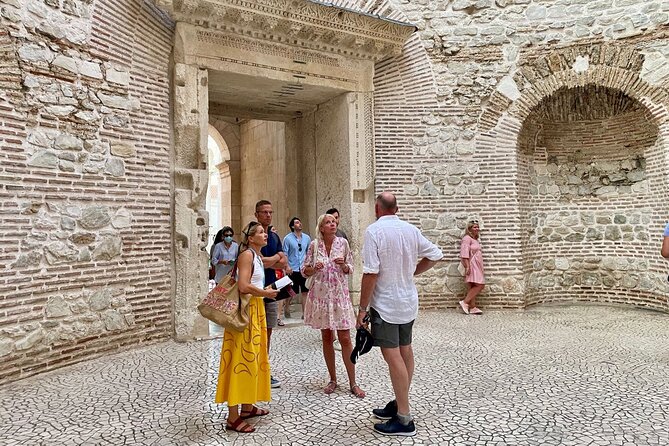
Then you’ll see the Vestibulum of Diocletian’s Palace, described as the entrance area to Diocletian’s private chambers.
This is the kind of stop that’s easy to miss on your own. In a walking tour with a guide, it becomes a link: you start to see how public movement transitions toward personal space.
Golden Gate and the palace walls: the Roman road connection
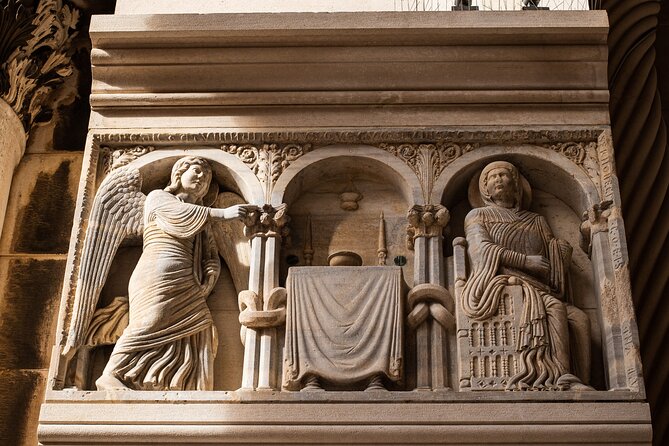
From the palace’s North side, you’ll reach the Golden Gate. In Roman times, this was the most important gate, and it connected the palace to the road leading to Salona, the capital of the Roman province.
That detail matters because it turns the palace from a self-contained monument into part of a larger network. You can start imagining the flow of people, supplies, and politics moving beyond the walls.
Then the walk continues along the palace walls toward Old Split.
Old Split streets and squares: your route feels intentional
After the palace gates, you’ll transition into the city that grew around it. This part of the tour is built around key public spaces, so you’re not wandering aimlessly.
Narodni Trg and Voćni Trg
From the North Gate, the route heads toward the actual center of the Old Town, including Narodni Trg and Voćni Trg (the former fruit market). The guide will connect the area’s development to life west of the palace since the Middle Ages.
This is where your eyes start to read the city differently. You stop seeing streets as random paths and start seeing them as organized history.
Pjaca (People’s Square)
Then comes Pjaca, the city’s center since the Middle Ages. You’ll see old Venetian palaces and the old city hall in neo-Gothic style.
This stop is useful because it shows layers: Roman foundation, medieval center, Venetian influence, then later architectural styles. You’re basically getting a timeline in walking form.
Trg Brace Radic and Marko Marulić
At Voćni trg you’ll also find a monument to Marko Marulić, one of Split’s important Renaissance authors. This is a nice change of pace. It’s not only stones and gates; it’s also culture you can point to.
Fish Market and sulfur baths: a practical oddity with a science-y twist
A highlight for many people is the Split Fish Market, near the sulfur baths. The tour notes that sulfur baths were known even to Diocletian, with a reputation for relief from rheumatism and other diseases.
And here’s the practical detail you’ll remember: there’s no fly problem mainly because of the smell of sulfur. It’s one of those “only in a living city” facts that makes the market feel real, not staged.
This part works well right before the walking tour’s end, because you’re seeing everyday Split life, not only landmark spaces.
Marmontova ulica and ending at Prokurative
Next is Marmontova ulica, a busy pedestrian zone built by the French during Napoleon’s rule in the early 19th century.
Then the tour ends at Prokurative—a square that’s reminiscent of St. Mark’s Square in Venice. It’s an easy place to decompress after the palace walking, with cafes and restaurants right there.
It’s also a smart finish because you’re not dumped back into an awkward transit spot. You can simply keep going at your own pace.
Entrance fees included: where the value really comes from
The advertised price is $203.95 per person for about 2 hours 30 minutes, and it’s set up as a private tour. The big value move is that entrance fees are included for key palace attractions, including stops like the palace basement, the Cathedral interior, and the Temple of Jupiter, plus the cellars.
So you’re paying for more than a guide’s narration. You’re paying for access to specific parts that can otherwise mean time lost buying tickets and coordinating entry.
Also, the experience uses a mobile ticket, which is the kind of small convenience that reduces friction on a busy day.
One more value note: this is English-language and private, which tends to make it feel more efficient than a group tour if you care about asking questions or want the timing to fit your pace.
Guides matter: Dana and Jana set the tone
Two guide names show up often in strong feedback: Dana and Jana. What stands out is that both are praised for history knowledge and for helping people plan what to do next after the tour.
That last part matters. A great guide doesn’t only finish at the end point. They help you continue your day with direction and options, especially in a place like Split where Old Town is compact but easy to misread if you’re moving fast.
If you get Dana or Jana, you’re likely in for a tour that feels organized and friendly, with clear explanations rather than a rush-through.
Timing, weather, and when sights may shift
This is a tour that depends on good weather. If conditions are poor, the tour may be canceled and you’ll be offered another date or a full refund.
You should also know that some attractions might not be visited if there’s an event or a church service. In that case, the route can change slightly.
In practice, that’s the reality of a working city and a palace complex that’s both historical and functional. The key is that the tour is designed to adapt rather than stop completely.
Who this tour fits best (and who may want something else)
This private walking tour is a great match if you:
- Want a first-time, high-impact walk focused on Diocletian’s Palace and Old Split squares
- Prefer a route built around major stops, not a free-for-all
- Appreciate included entrances so you can spend your energy on seeing, not ticket hunting
You might choose a different option if:
- You want an all-day pace with lots of breaks, because this one is time-focused at about 2.5 hours
- You’re traveling on a day where weather is highly uncertain and you don’t want any risk of partial changes
If you like structured walking with a guide’s explanations, this is the right style.
Should you book Split Palace & Old Town?
I’d book it if you’re trying to understand Split in a single afternoon. The combination of palace interiors + cellars + Old Town squares gives you a clear storyline from Roman times to later city life.
The price looks high at first glance, but once you factor in that multiple entrances are included and the format is private, it starts to feel fair. You’re not just buying a walk—you’re buying access to the right parts of the palace complex.
If you’re okay with a short weather-dependent route and you want the major sights handled in a smart order, this is a strong choice for Split.
FAQ
How long is the Split Palace & Old Town private walking tour?
The tour lasts about 2 hours 30 minutes.
Is this tour private, or will I share it with others?
It’s private. Only your group participates.
What’s included in the ticket price?
Entrance fees are included for multiple palace attractions, including stops such as the Diocletian’s Palace complex areas (when open) and the Diocletian’s Cellars, plus entries at specific cathedral and temple stops mentioned on the route.
Is there a mobile ticket?
Yes. The tour uses a mobile ticket.
What language is the tour offered in?
The tour is offered in English.
What happens if weather is bad or a site is closed due to events or services?
The tour requires good weather. If it’s canceled due to poor weather, you’ll be offered a different date or a full refund. If sights can’t be visited due to events or church services, the program may be slightly changed.