REVIEW · SPLIT
Split: Private Walking Tour for Families with kids (5-17y)
Book on GetYourGuide →Operated by Split Guide · Bookable on GetYourGuide
Roman ruins turn into a family game here. You walk through Diocletian’s Palace like it’s a puzzle box, with a treasure hunt style route that keeps kids moving and thinking. I like that the tour doesn’t treat history like a lecture; it turns it into questions, challenges, and small surprises at each turn.
Two things I really love: first, the format is built for mixed ages, from 5 to 17, so both younger kids and teens usually have something to grab onto. Second, you get clear Roman context tied to real spots inside the palace complex, including the Perystil area where Diocletian would present himself to the public.
One possible drawback: it’s a walking tour through stone streets and open spaces, so if your kids tire quickly or you have very small ones who need constant breaks, plan on going slow and bringing water and snacks for outside the tour stops.
In This Review
- Key points to know before you go
- Why Diocletian’s Palace Works So Well for Families
- Private Tour Value: $352 per Group Up to 6
- The Walking Game Start: Treasure Hunt Logic in Real Roman Space
- Perystil and Diocletian’s Power Display
- Split Cathedral Stop: The Missing Coffin and the Saint Clue
- The Riddle Finish With Sweets and Chocolate
- What Your Family Will Actually Learn (Without Feeling Like School)
- Practical Tips for a Smooth Palace Walk With Kids
- Who This Tour Fits Best
- Should You Book? My Honest Take
- FAQ
- What age range is this family tour for?
- Is the tour private?
- What languages are available?
- What’s included in the price?
- Are meals or drinks included?
- How much does the tour cost?
- Can I book now and pay later, and what about cancellations?
Key points to know before you go
- Private family group (up to 6) means less waiting, more focused attention, and a smoother pace for kids
- Treasure hunt + riddles turns Roman facts into something you solve together
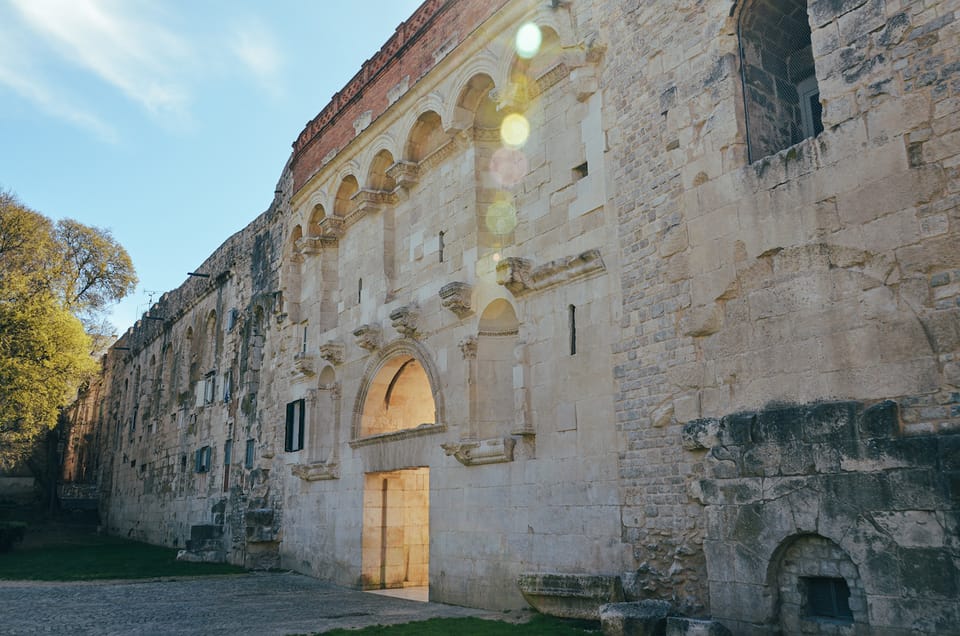
- Perystil and Diocletian’s public moments give the palace a clear storyline, not random sightseeing
- Split Cathedral mysteries add a real-life “where did it go” type of question
- Local sweets and chocolate included gives kids a fun, no-stress payoff at the end
- Certified guide in English, French, or German keeps the explanations age-friendly
Why Diocletian’s Palace Works So Well for Families
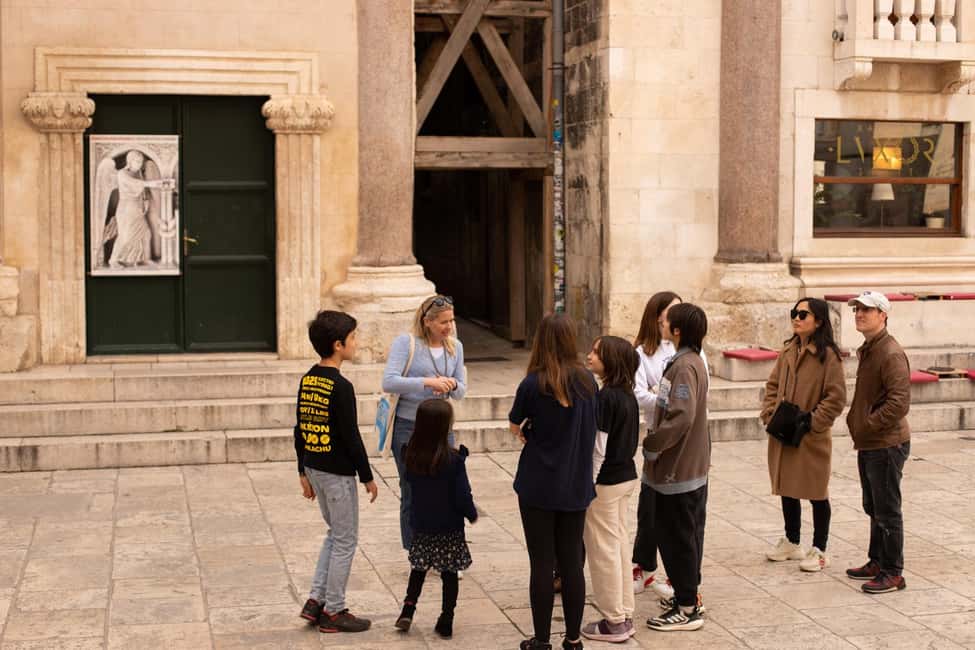
Diocletian’s Palace is perfect for families because it’s already a maze. Streets and stone walls form natural “checkpoints,” and the palace layout helps you feel like you’re discovering a place instead of just touring it. Kids usually get more excited when they’re searching for answers, not just staring at walls.
What makes this experience especially kid-friendly is the way it ties the game to specific areas inside the palace. You’re not asked to memorize dates. Instead, you follow clues, answer questions, and connect what you learn to what you can actually see in front of you. That matters in Split, where the old town can feel like a lot at once.
I also like the small details that make the place feel alive. In one family’s experience, the kids were especially captivated by the sights and activities, including the cats you may notice around the palace area. It’s not a “theme park,” but it does feel like a real neighborhood of old stone and everyday life.
You can also read our reviews of more walking tours in Split

Private Tour Value: $352 per Group Up to 6
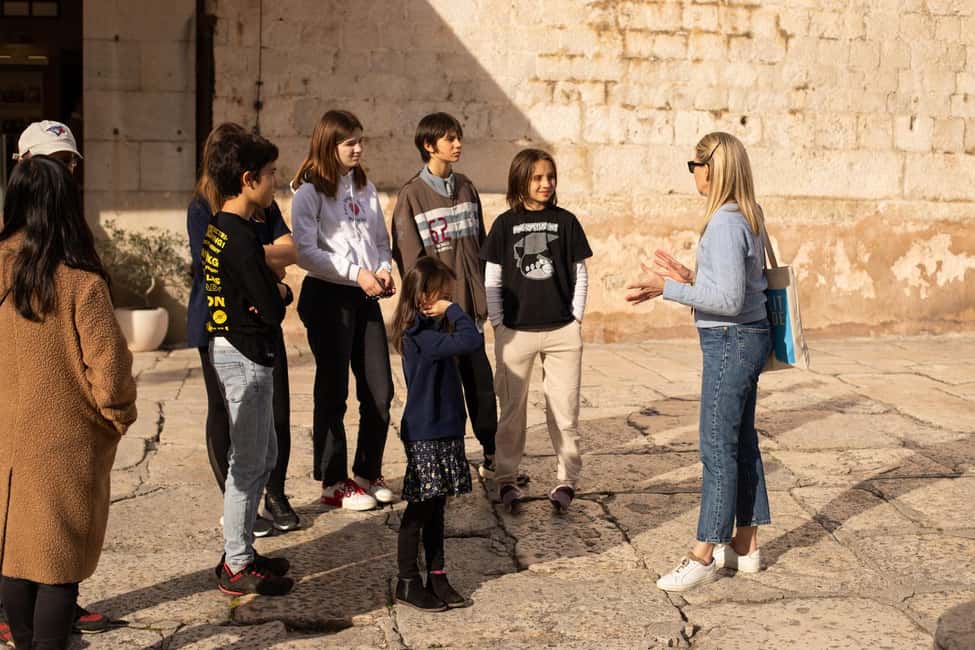
This tour costs $352 per group, for up to 6 people. The price makes more sense when you look at the payoff: you’re buying a private, guided experience plus game elements plus sweets and chocolate. If you have a family of four, the per-person cost drops quickly compared to piecing together separate attractions.
The bigger value is the pacing. With a private group, you’re not stuck in a slow shuffle behind other families, and you can better manage attention spans. For kids ages 5 to 17, that flexibility is huge. A teen who wants facts can usually get them, while a younger kid can still stay engaged through riddles and hands-on-style prompts.
One more practical point: since it’s private, the guide can steer the experience around your kids’ energy level. If your group is chatty and curious, it can stay playful. If they’re tired, you can keep things moving without turning it into a slog.
The Walking Game Start: Treasure Hunt Logic in Real Roman Space
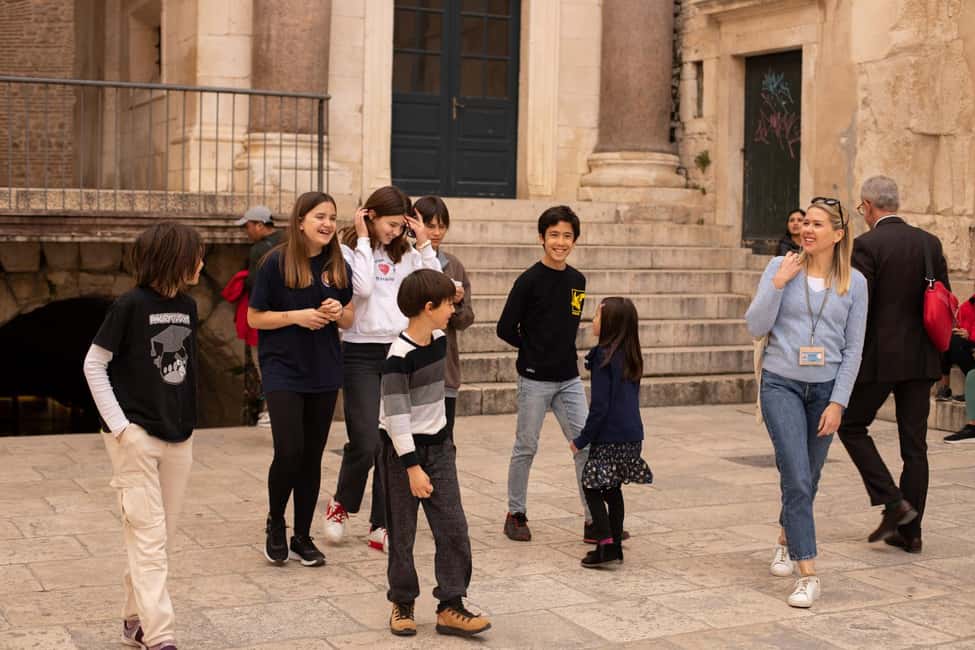
The tour begins inside the palace grounds with a guided walk that feels like a scavenger mission. You’ll be tasked with solving puzzles and working through a quiz style challenge as you go. The main idea is simple: you learn by doing, not by sitting and listening.
This is where the tour earns its family reputation. Kids tend to forget they’re learning when there’s a goal in front of them. A riddle pushes them to look closely. A clue makes them slow down. And when the guide connects the answer to a real structure nearby, the moment sticks.
You should also expect a steady rhythm: move to a key location, get the story, answer a question, then continue. That structure helps both younger kids and older ones. For the older kids, it turns the Roman era into something they can reason through. For the younger kids, the game keeps the attention anchored.
And because it’s private, you can usually keep the team momentum. If a kid needs a second to read or think, you don’t lose the whole group. That alone can make an afternoon in Split feel less stressful.
Perystil and Diocletian’s Power Display
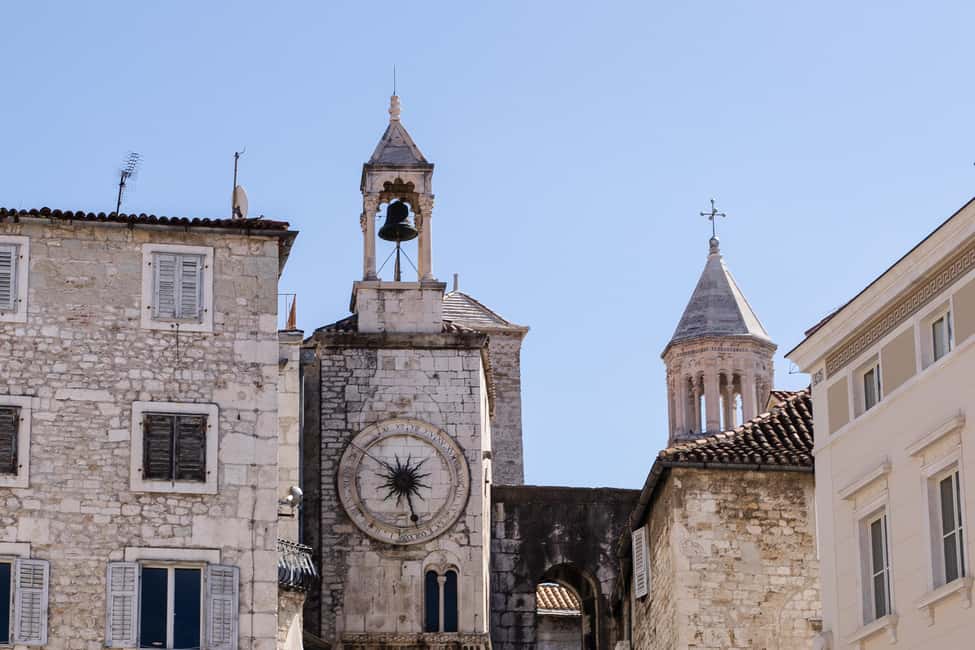
One of the standout parts is the stop at the Perystil area, where Diocletian would show himself to his people. This is one of those moments where the palace stops being “old buildings” and becomes a political stage.
You’ll learn how Diocletian positioned himself as more than a ruler. He’s described as a clever leader who did what he could to stay on top, even claiming he was the son of Jupiter. That kind of detail lands better when your kids are already active and paying attention from the earlier game.
The Perystil angle gives the tour a clear storyline: this wasn’t just a home; it was designed to communicate power. You can almost see the choreography: people gather, Diocletian appears, and the crowd responds. For kids, that can turn into a quick “how would you act” conversation, and the guide can use it to make the Roman social setting feel understandable.
If your family likes “why did they build it like that?” explanations, this is where you’ll feel it. You’re not just learning what happened; you’re learning how the space was meant to work.
Split Cathedral Stop: The Missing Coffin and the Saint Clue
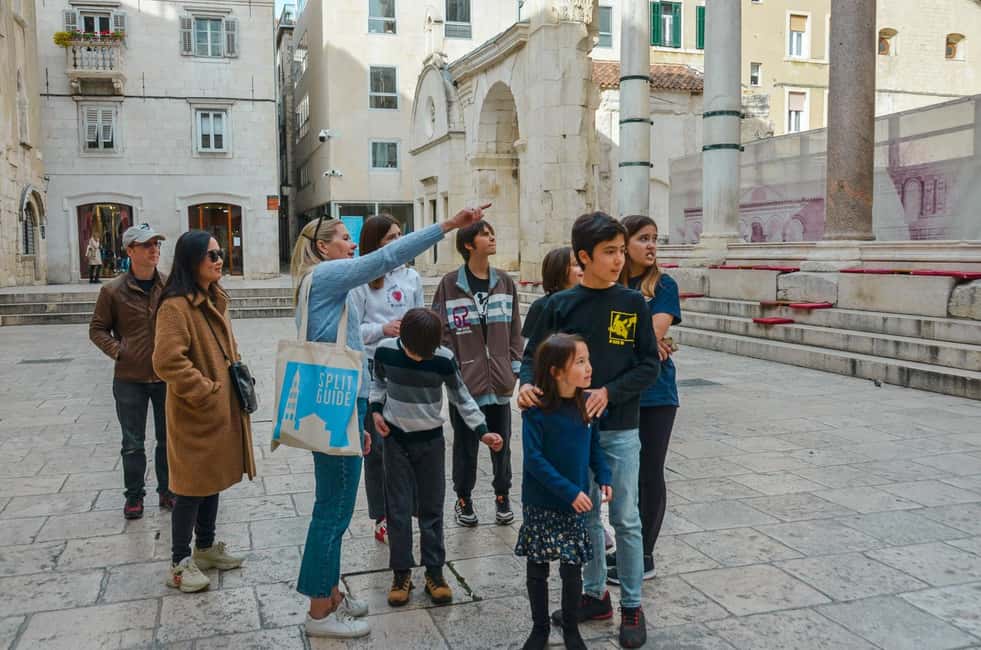
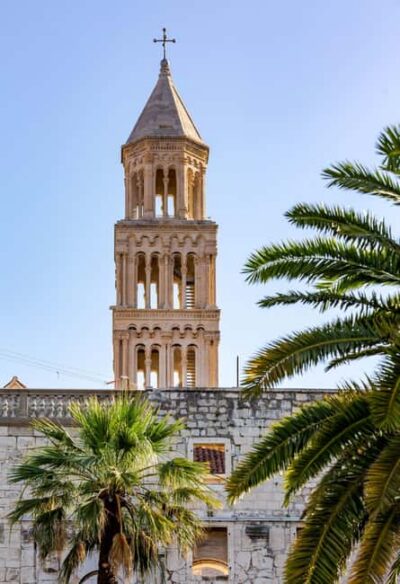
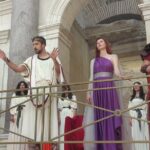
The tour also includes time around Split Cathedral, with a question that feels like a real mystery. You’ll hear that the cathedral used to house a fancy coffin belonging to Diocletian. The catch is that it’s gone now.
The tour uses that missing-piece idea to spark curiosity: where did it go? That type of question is more engaging for kids than a straight lecture because they’re invited to think along, not just absorb.
Then there’s a second thread in the cathedral story: the cathedral still hosts an important person, described as a famous saint. The tour makes you try to guess who before the answer lands, which keeps the stop interactive instead of turning it into a “stand quietly and listen” moment.
This is also where the guide’s language skills matter. In one family’s experience, the guide (Jen) had perfect English and kept three children aged roughly 7 to 12 engaged the whole time. Another family had Dana as their guide, and the two girls (ages 7 and 9) were captivated by both the sights and the puzzle style activities. That mix of humor, clarity, and pacing can make the cathedral stop work even for families who normally dislike long indoor moments.
You can also read our reviews of more private tours in Split





The Riddle Finish With Sweets and Chocolate
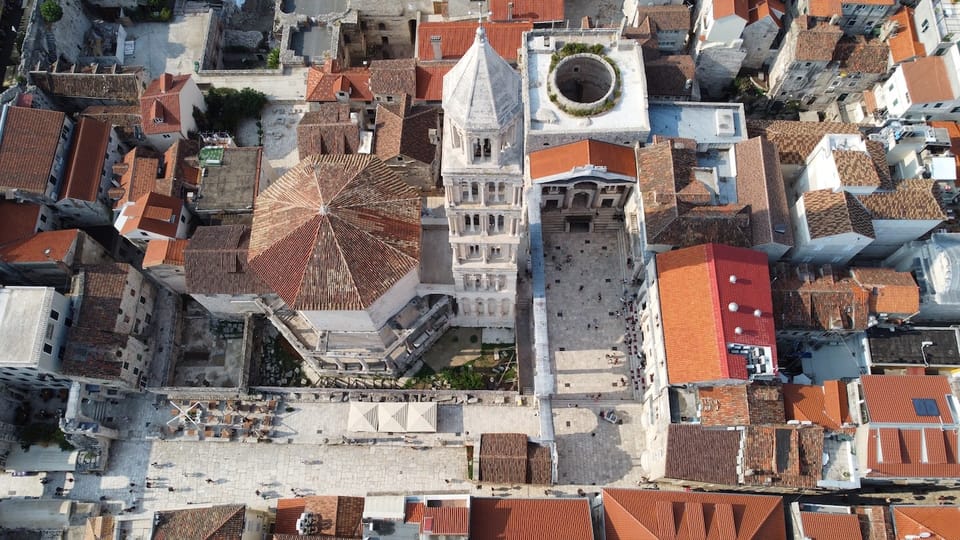
After you’ve walked, solved, and guessed your way through the palace storyline, you get the payoff: sweets and chocolate. This isn’t a small afterthought. The tour includes sweets and chocolate from a local manufactory, and the tone is that you can try them all.
For families, that matters more than it sounds. It turns the end of the tour into a reward that feels connected to the experience, not just a random snack stop. Kids often leave happier when the last stage is fun and tasty, especially if they’ve been focusing on riddles for the previous hour or so.
It also helps with energy. If you’ve got a mix of ages, older kids might be ready to talk about Roman details, while younger kids just want the game wrap-up. Sweets create a shared “we did it” moment that ties the group together.
One family specifically called out the exciting ending and the way the kids loved the challenges and puzzles. That’s exactly the point: you get a structured adventure, and then you get a clearly defined conclusion.
What Your Family Will Actually Learn (Without Feeling Like School)
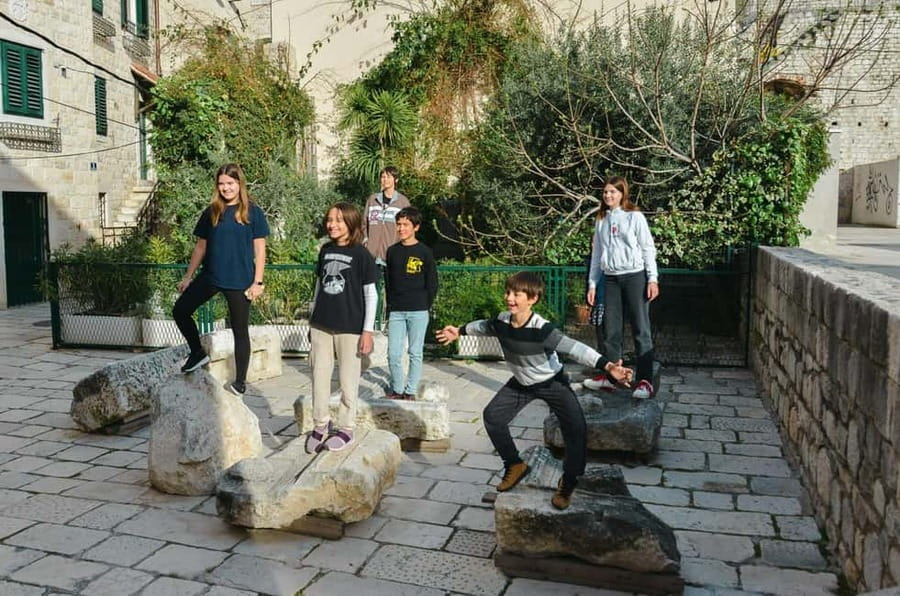
This is educational in a way that feels practical. You learn about Roman life in and around Diocletian’s world, but you learn it through stories attached to real spaces. The tour explains what life was like during Roman times and what happened right here in Split about 1700 years ago.
It also teaches through cause-and-effect. For example, you don’t only hear that Diocletian ruled; you hear how he wanted to stay on top and how he presented himself. Then you connect that idea to the palace spaces where he would show himself. When kids can connect a claim to a place, learning feels less abstract.
And the tour is designed to be handled by a certified guide, which you’ll feel in the way explanations match the game. A good guide keeps the tone steady: enough facts to satisfy teens, enough play to keep younger kids from zoning out.
If you want history you can discuss on the walk back to your hotel, this tour does that. Kids usually have at least a couple of answers in their heads, like what the Perystil was for or why the cathedral story has a mystery built in.
Practical Tips for a Smooth Palace Walk With Kids
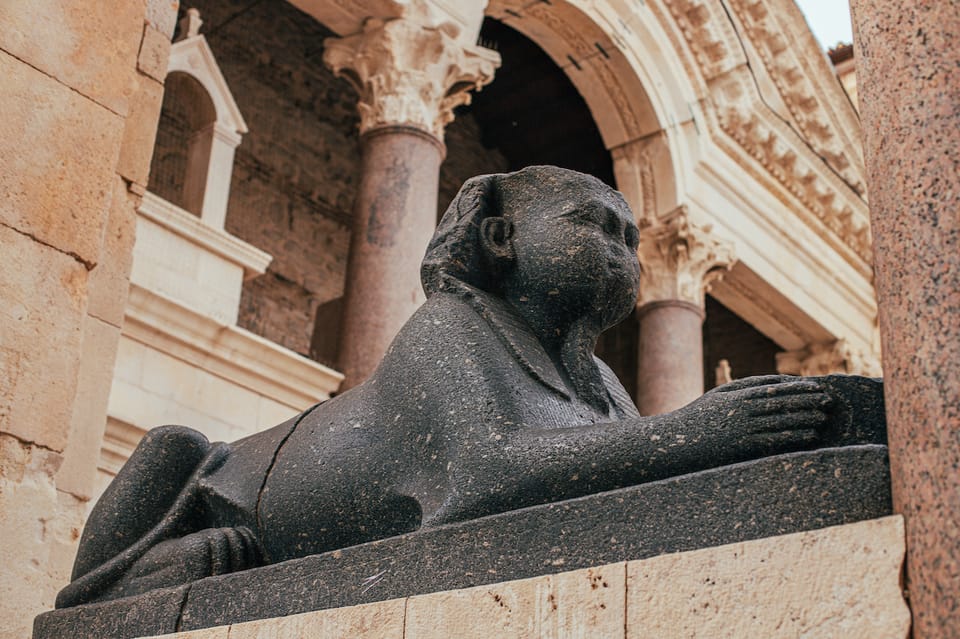
A few things can make or break any family walking tour in an old town, and Diocletian’s Palace is no exception.
First, wear shoes that handle uneven stone. You’ll be moving through corridors and open areas, and the palace layout can include spots where strollers might feel awkward. If you use a stroller, plan on keeping it manageable, and be ready for occasional “carry or adjust” moments.
Second, keep an eye on attention. The tour includes quizzes, games, and a riddle-based flow, so kids should stay engaged. Still, bring a little patience for the times a child wants to move faster or ask extra questions.
Third, water helps. The tour doesn’t list additional food or drinks as included, so you’ll want to plan for what you need between stops and outside the sweets finale.
Finally, embrace the fact that it’s private and family-oriented. If you have a kid who likes to guess answers, let them drive the guessing. If you have a teen who wants the factual explanation, give them that role. You’ll get more out of the tour when your family actively participates rather than passively tagging along.
Who This Tour Fits Best
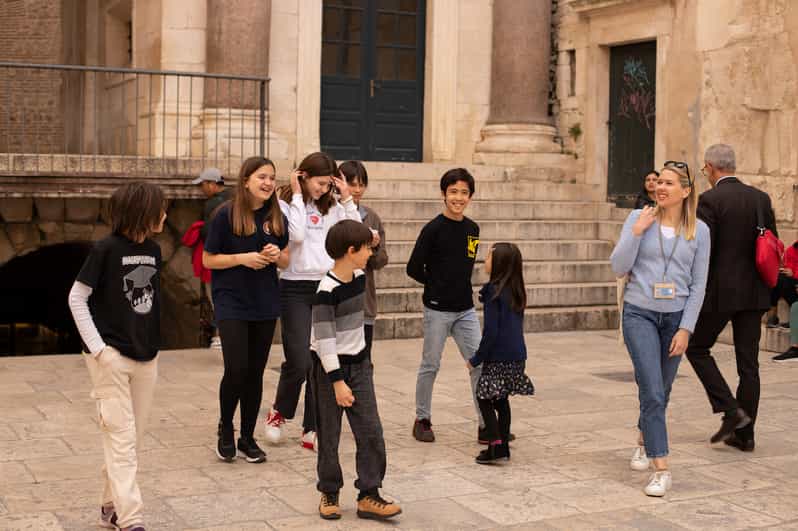
This works best for families that want a structured, playful way to see the palace rather than a long adult-style history walk. It’s especially good if your kids are 5 to 17 and you have a mix of ages in the same group, because the game format is designed to keep different kids engaged.
It also fits well if you want something that feels like it has a clear beginning, middle, and end. You start with the hunt and puzzles, hit major palace and cathedral story stops, and finish with sweets and chocolate. That “adventure arc” helps families avoid the common problem of kids getting bored halfway through.
If your family strongly prefers quiet museums, this might feel too active. But if you want an experience that uses Roman architecture as the backdrop for games, this is a smart match.
Should You Book? My Honest Take
Book it if you want a private family tour that mixes real Roman sites with puzzles and riddles, plus an included sweets and chocolate finale. The price of $352 per group up to 6 is often reasonable when you consider what you’re getting: a certified guide, interactive quiz and games, and included treats that keep kids happy at the end.
Skip it if your kids hate games or you know you’ll struggle with walking around stone streets. The tour is designed to keep minds active, not to provide a slow, minimal-effort stroll.
If you can meet the tour halfway with comfortable shoes and the willingness to play along, you’ll likely come away with more than photos. You’ll come away with answers, a few mysteries, and a sweet ending that feels earned.
FAQ
What age range is this family tour for?
It’s listed as a private walking tour for families with kids ages 5 to 17.
Is the tour private?
Yes. It’s a private walking tour designed just for your family group (up to 6 people).
What languages are available?
The tour is available in English, French, and German.
What’s included in the price?
Included are the guided walking tour through Diocletian’s Palace with a certified guide, sweets and chocolate, and quiz & games.
Are meals or drinks included?
No. Other food or drinks are not included.
How much does the tour cost?
The price is $352 per group for up to 6 people.
Can I book now and pay later, and what about cancellations?
You can reserve and pay later. You can cancel up to 24 hours in advance for a full refund.
If you tell me your kids’ ages and whether you prefer shorter or longer sightseeing, I can help you decide if this pacing fits your family.