REVIEW · SPLIT
Split: Private Walking Tour and Diocletian’s Palace
Book on GetYourGuide →Operated by www.south-tours.com · Bookable on GetYourGuide
Split feels like a city built in layers. And on this private walk, you trace those layers through the landmarks you already recognize, plus the details you usually miss.
I like how the tour keeps you moving through Split’s historic core without turning it into a lecture. You get a live guide (Spanish or English) and an audio guide, then you’re guided square by square through the old town’s main sights. I also love that you go inside the Diocletian’s Palace cellars with the entry ticket included, so you’re not just looking at walls from the outside.
One possible drawback: it’s not designed for people with mobility impairments, and it involves walking on old-town streets and steps. If your feet or knees need a lot of breaks, you’ll want to plan carefully with your guide beforehand.
In This Review
- Key highlights
- Walking the UNESCO core without getting lost in the maze
- Starting at South Tours: a simple plan that keeps momentum
- Golden Gate, then the quick stop that sets the mood
- People’s Square and Fruit Square: where the city’s pulse lives
- The Riva promenade: a seaside break with context
- Entering Diocletian’s Palace: more than a fortress
- Diocletian’s Cellars: one of the best included experiences
- Peristil: the central square that changes how you see the palace
- Cathedral of Saint Domnius and the Vestibul photo moment
- Why the guide makes this feel worth $117 per person
- Best for: first-timers, history lovers, and anyone who hates aimless wandering
- A quick reality check before you book
- Should you book this private Split walking tour and Diocletian’s Palace visit?
- FAQ
- How long is the tour?
- What’s included in the price?
- Is the tour private?
- What languages are available?
- Where do I meet the guide?
- Is food and drink included?
Key highlights
- Private group: more time for your questions and fewer crowds
- UNESCO old town orientation: you connect the landmarks into a clear story
- Diocletian’s Palace cellars included: real access, not just a photo stop
- Peristil + Saint Domnius area: the palace and later Christian Split in one route
- Spanish/English live guide + audio: you can follow both with ease
- Comfort-focused tip: bring comfortable shoes because you’ll be on your feet
Walking the UNESCO core without getting lost in the maze
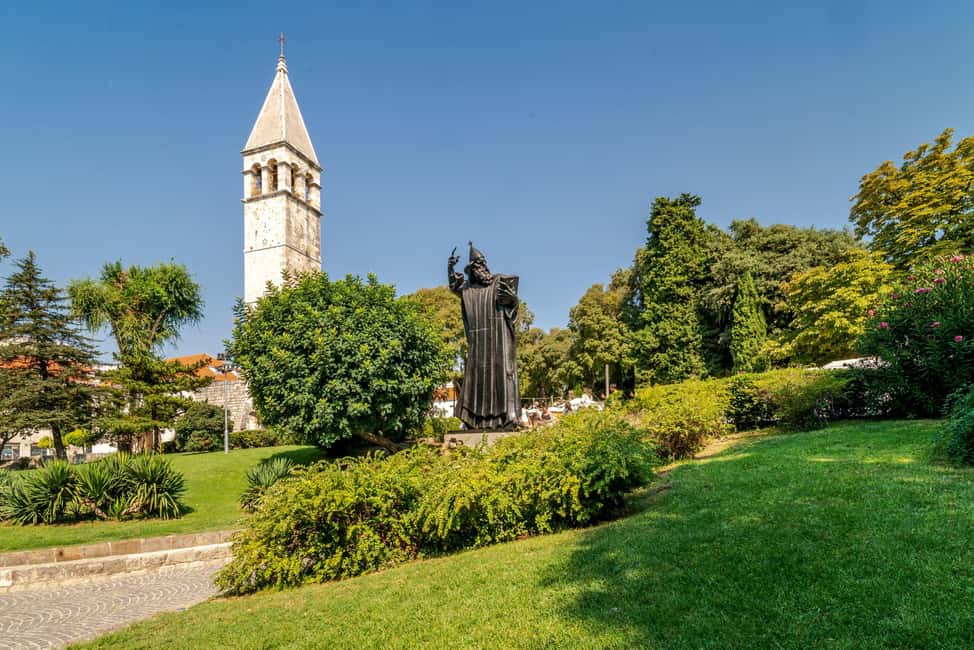
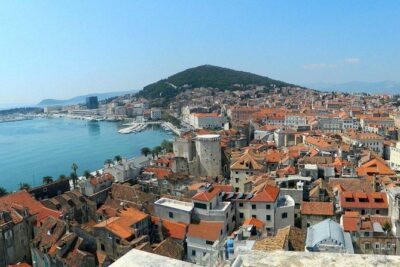
Split’s old town can feel like a puzzle: narrow streets, big stone walls, and lots of famous names that don’t always line up on a map. This tour helps you connect the dots fast. You start with a clear orientation, then your guide walks you through the city center as one connected place.
The value here is not just seeing sights, but understanding why they’re where they are. The route is built around key stops in the historic layout—starting at the Golden Gate and moving through public squares, the Riva promenade, and into the palace complex.
You’ll also get a practical sense of geography. Where Riva sits in relation to the palace. How the main squares function as meeting points. And how the palace’s interior still organizes daily life around it.
You can also read our reviews of more walking tours in Split

Starting at South Tours: a simple plan that keeps momentum
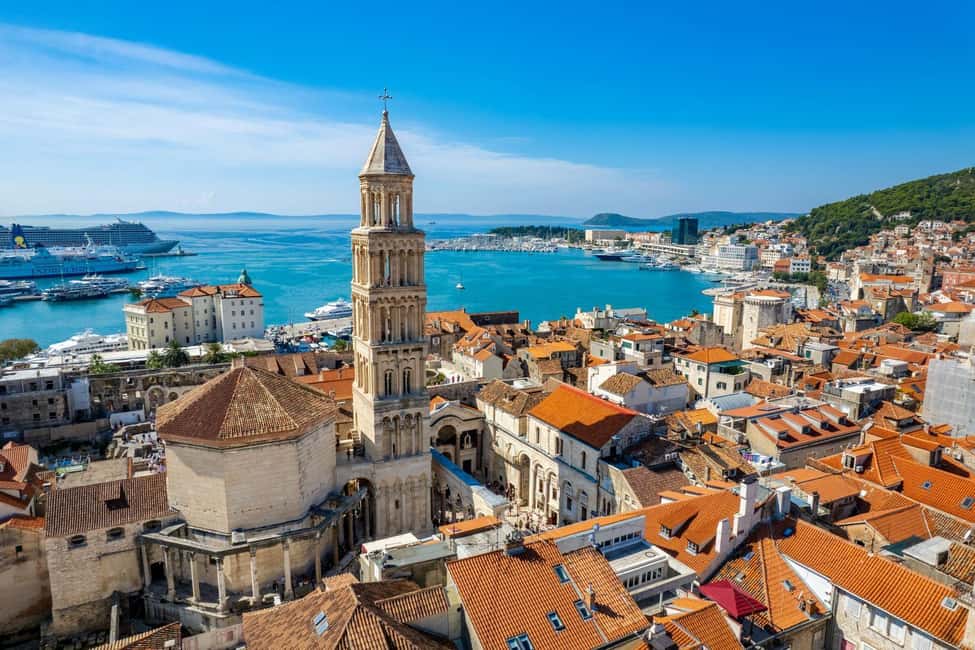
You meet at South Tours Travel Agency at Mrčelina 1. Arrive about 15 minutes early so you can meet your guide, get your bearings, and settle in before you start walking.
This matters because Split rewards attention and pacing. If you show up late, you’ll miss that first chunk of orientation where the guide sets up the story of the city. Once you’re moving, the tour keeps a steady rhythm: short stops for photos and key points, then enough time to actually absorb what you’re looking at.
Because it’s a private group, you’re not forced into the same pace as a large crowd. If you want a slower look at a doorway detail or a faster photo moment, your guide can usually adapt.
Golden Gate, then the quick stop that sets the mood
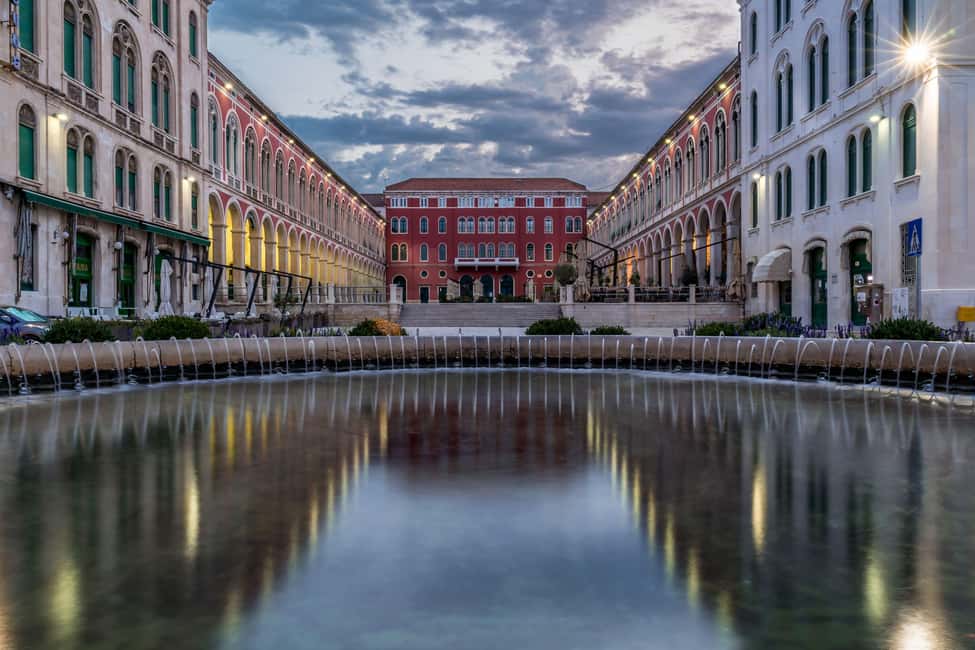
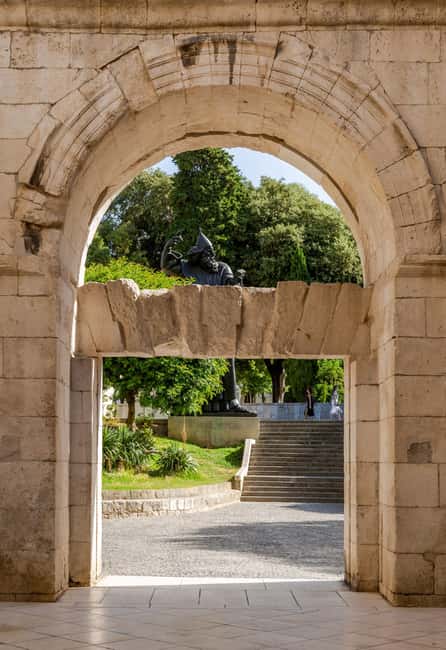
The walk begins at Golden Gate, Split. This is your first big “portal moment,” and it’s a smart start because you’re entering the part of town that historically shaped how people moved. Your guide uses this as a jumping-off point for the bigger story of the city’s Roman-era beginnings.
Next you stop briefly at the Game of Thrones Museum, Split. Even if you’re not a superfan, this stop works as a timing marker. It gives you a quick visual anchor in the wider old-town area, right before the tour turns to the civic squares where daily life has been happening for centuries.
In my experience, that mix—one Roman-era gateway, one modern pop-culture marker, then the public squares—helps you stop thinking of Split as only one era. You learn to see how the present sits on top of older foundations.
People’s Square and Fruit Square: where the city’s pulse lives
You’ll spend time at People’s Square. This is one of those places where the scale of the surroundings makes sense once you understand how the city functions. Your guide points out the layers of use: where people gather, where the city focuses, and how buildings frame movement.
Then you move to Fruit Square (Fruit Market). This stop is practical and memorable because it connects the idea of “history” to something you can still feel today: squares meant for circulation, trading, and meeting. Even if you’re not shopping, the space tells you how Split worked as a working city, not a museum.
The guide also helps you notice how these squares relate to each other. The route isn’t random. It pulls you through the old-town grid so you can start forming your own mental map before you even reach the palace.
The Riva promenade: a seaside break with context
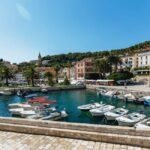
At Riva, Split, you get a stretch of promenade time. This is where Split feels like Split—sea views, open space, and the “walkable waterfront” vibe that makes people linger.
What I like about this stop during a historical tour is that it resets your eyes. After stone walls and dense streets, Riva gives you visual breathing room. And because your guide keeps linking the surroundings back to older patterns, it doesn’t feel like a detour.
Also, it’s a good moment for photos. You’re standing where you can see how the city opens toward the water, while still being close to the palace core. If you’ve ever felt like Split looks great in postcards but confusing on foot, this is the part where it starts to click.
You can also read our reviews of more private tours in Split






Entering Diocletian’s Palace: more than a fortress

The biggest draw is Diocletian’s Palace, built for Emperor Diocletian around the turn of the fourth century. When you walk into this complex, you’re stepping into a structure that was designed with power, privacy, and daily function in mind.
The route into the palace feels like a transition from public city life into a more controlled interior world. Streets and squares outside give way to organized spaces inside. Your guide points out how the palace layout shapes movement—so you don’t just wander through pretty ruins.
And here’s the practical bonus: because the palace is still visually dominant, once you understand its main spine, the rest of the old town starts to feel easier. You stop getting lost. You start recognizing where you are.
Diocletian’s Cellars: one of the best included experiences
A standout stop is Diocletian’s Cellars. The tour includes an entry ticket, which is a big deal for value. You don’t have to juggle separate admissions or decide whether it’s worth the extra time.
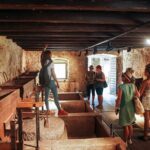
The cellars are a different kind of experience than what most people expect from a palace tour. Instead of grand open spaces, you get the sense of storage, structure, and everyday function tucked under the palace. Your guide helps you read what you’re seeing—why these spaces mattered, and how they fit into the palace’s overall design.
This is the place where the tour justifies its “private” feel. You’re able to move through with less crowd pressure, and you can ask questions about the architecture without feeling rushed. If you only do one indoor stop, make it this one.
One caution: cellars can mean cooler air and uneven footing. Wear shoes you’d trust on stone, not just sneakers you’d use for a mall stroll.
Peristil: the central square that changes how you see the palace
Next you reach Peristil, the palace’s central square. This is the heart of the complex, and it’s important because it’s the space that reveals the palace’s logic. It’s where you understand how open space and surrounding architecture work together.
Your guide highlights the layout and explains what the central courtyard meant. When you’re standing in Peristil, you can feel the difference between outside streets—where you pass through—and inside spaces—where the palace organizes life.
It also helps you understand how later layers of Split moved around the palace core instead of erasing it. Even if you’ve seen pictures, being here makes it real. You stop treating Diocletian’s Palace like a single landmark and start treating it like a system.
Cathedral of Saint Domnius and the Vestibul photo moment
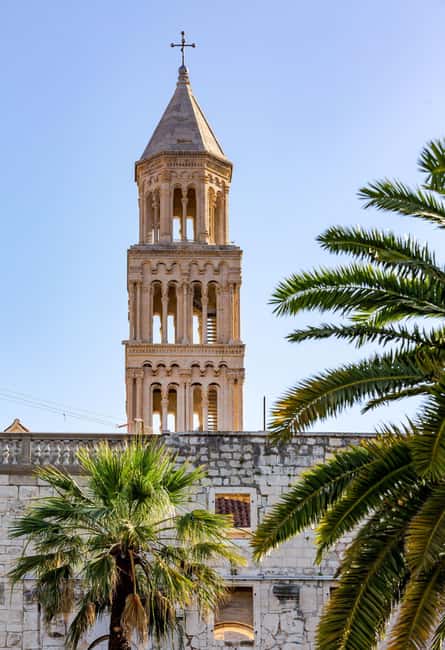
From Peristil, you continue to the Cathedral of Saint Domnius area. This part of the tour connects the Roman-era space to later religious and civic importance. You’re seeing how the city evolved without tearing itself apart.
Then there’s a Vestibul stop with a photo moment plus guided context. It’s a smart close-to-the-end stop because it lets you frame what you learned during the walk. You can look back at the palace elements and understand what you’re photographing—not just where the camera should point.
If you’re the type who likes to capture details, the photo stop helps. If you’re more of a “listen first, then shoot later” person, it still gives you a chance to get your final shots without losing the last pieces of the story.
Why the guide makes this feel worth $117 per person
At $117 per person for a private 90-minute experience, the question is always value. Here’s what makes it add up.
You’re paying for three things: a live guide, entry to the cellars, and a guided route through multiple major landmarks and squares that are easy to trip over if you’re on your own. The audio guide included in Spanish and English also helps you keep up when the guide is talking and you’re moving between spots.
Also, the tour quality shows up in the feedback style: a guide named Ana is singled out as attentive with plenty of knowledge, and other participants describe the guide as friendly and engaged. That combination matters on a palace walk because you’re dealing with details, not just scenery.
Is it for everyone? If you want a long museum-style experience or lots of free time at each stop, 90 minutes might feel tight. But if you want a smart, connected route through Split’s most important layers, it’s a solid use of your time.
Best for: first-timers, history lovers, and anyone who hates aimless wandering
This tour fits especially well if:
- You’re seeing Split for the first time and want an organized path through the old town
- You like history that’s tied to places you can stand in
- You want indoor time in Diocletian’s cellars without adding extra ticket planning
- You prefer a private group pace over joining a large crowd
If you already know Split well and just want a quick palace highlight, you might not need the full route. But for most visitors, the way this walk ties the Golden Gate → squares → Riva → palace interiors into one storyline is exactly what reduces stress.
A quick reality check before you book
This is a walking tour through old-town streets and the palace grounds. Bring comfortable shoes because the experience depends on you being able to move from stop to stop comfortably.
The tour is also listed as not suitable for people with mobility impairments, so if that applies to you, it’s better to look for an alternative format.
On the language side, you’ll be fine if you choose Spanish or English. The audio guide in those same languages helps you follow along even when you’re pausing for photos or moving between viewpoints.
Should you book this private Split walking tour and Diocletian’s Palace visit?
Yes—if you want a guided, connected way to experience Split’s core without wasting time. I think it’s especially worth it because the cellars entry is included and because you’re getting both the big headline sights and the smaller “why does this spot matter” context.
Book it if you like being shown how the city fits together: the Roman palace layout, the central public spaces, and the way later eras claimed parts of the same footprint. If you’re after long downtime, or you can’t handle walking on historic surfaces, then this probably won’t match what you need.
FAQ
How long is the tour?
The tour lasts 90 minutes.
What’s included in the price?
A guide, sightseeing of Split, and an entry ticket to the cellars of Diocletian’s Palace are included.
Is the tour private?
Yes. It’s a private group experience.
What languages are available?
The live guide and the audio guide are offered in Spanish and English.
Where do I meet the guide?
You meet at South Tours Travel Agency, Mrčelina 1, Split. Arrive about 15 minutes before the tour starts.
Is food and drink included?
No. Food and drinks are not included.