REVIEW · SPLIT
Walking tour of Split old town and craft beer tasting
Book on Viator →Operated by Private Tourist Guide Croatia · Bookable on Viator
Beer and emperors in one walk. Split’s old town is a maze of Roman walls and everyday life, and this tour threads you through Diocletian’s Palace before a stop at a real microbrewery. You get a local, licensed guide who makes the stones feel readable, not like a museum label wall.
I especially liked how the guide, Darijo, walked me through the palace in a logical way. I loved the mix of big set pieces like the Peristyle and the smaller, more surprising spaces like the cellars and the circular Vestibulum. One thing to watch: beer is not included, so your final bill at the brewery depends on how many tasters you order.
In This Review
- What You’ll Love About This Split + Beer Combo
- Entering Diocletian’s Palace Without Feeling Lost
- Stop 1: Riva Harbor and the Palace Waterfront Story
- The Palace Cellars: Vaults That Explain the Whole Complex
- Stop 2: Peristyle Square and the Emperor’s World
- A Hidden Ancient Interior Between Buildings (Optional Paid Access)
- Stop 3: Vestibulum and the Acoustics of Klapa
- Stop 4: Triklinij and Roman Dining Reality
- Stop 5: Mausoleum Becomes a Cathedral
- A Quick Chocolate Stop and a Guinness-Style Moment
- Stop 6: Golden Gate and the Palace Defense Logic
- Stop 7: Grgur Ninski Statue and the Golden Toe Legend
- Stop 8: Pjaca Square and the Changing Name Story
- Stop 9: Fruit’s Square (Trg Brace Radic) and Baroque Split
- Leopolds Craft Beer Bar: Your Beer Stop (And What It Means for Cost)
- Price, Time, and Group Size: Is It Worth $30.04?
- Who This Tour Suits Best
- Should You Book This Split Old Town + Beer Walk?
What You’ll Love About This Split + Beer Combo

- Small group (max 8 people): You move faster, ask more questions, and don’t get lost in a crowd.
- UNESCO Diocletian’s Palace, explained well: You get the why behind the walls and vaulted spaces, not just what you’re looking at.
- Acoustics and klapa singing connection: The Vestibulum isn’t just architecture; it’s tied to a living Dalmatian tradition.
- A microbrewery stop at the end: You finish at Leopolds Craft Beer Bar with time to order and taste.
- Roman + Venetian + modern Split in one route: The walk naturally hops between eras without feeling forced.
- Extra culture stops that break up the pace: The Gregory of Nin statue moment and the Guinness-style chocolate story add variety.
Entering Diocletian’s Palace Without Feeling Lost
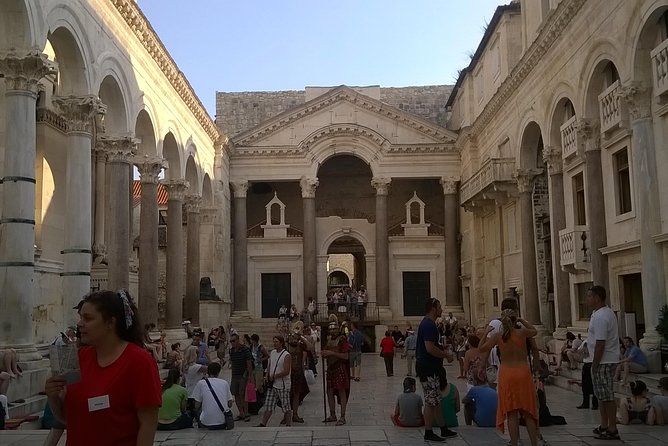
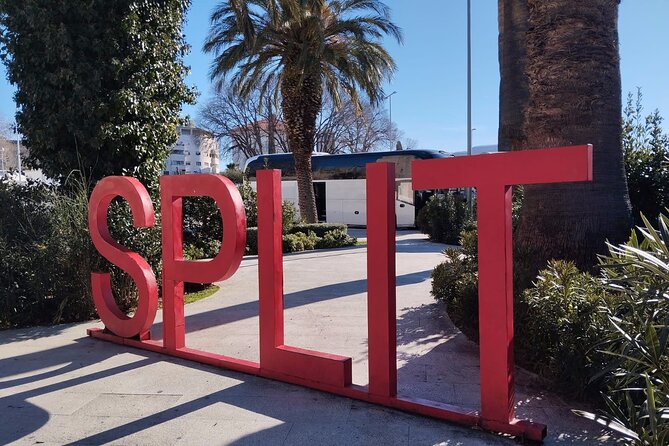
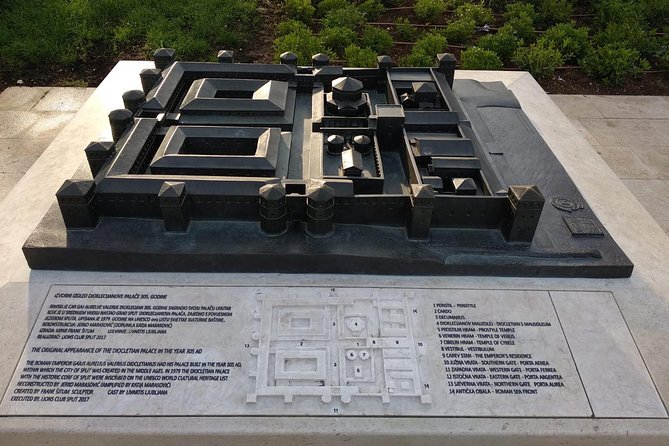
This tour is built around the 1700-year-old heart of Split: Diocletian’s Palace. You meet in the Grad area at the Split sign (21000) and set off at 6:00 pm, so you’re walking in the warmer light and getting your bearings early in the evening.
The pacing is comfortable for a walking tour. You’re not sprinting from one photo spot to another; you’re stopping often enough to take in how the palace works as a whole. Most of the key sights you visit inside the palace substructures are free to enter, which matters because you can spend your budget where you want it—like at the beer bar.
If you’re the type who likes history but hates trivia overload, this format fits. You’ll get context for the places that normally feel like “cool ruins” from the outside.
You can also read our reviews of more walking tours in Split
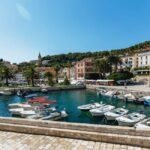
Stop 1: Riva Harbor and the Palace Waterfront Story
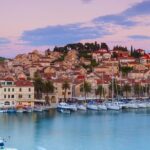
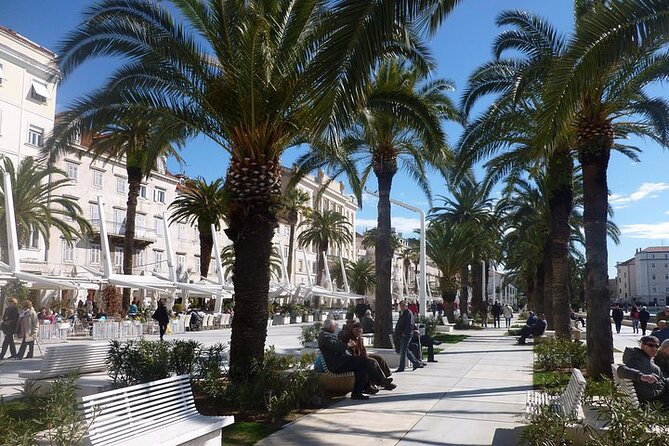
The first stop is Riva Harbor, Split’s famous promenade. Your guide sets up a simple but powerful idea: this shoreline used to be a palace waterfront, and it eventually turned into the public living space locals use today.
That shift—from private imperial edge to everyday street—helps you understand why Diocletian’s Palace is still part of life, not separated from it. You’re not just seeing the palace; you’re seeing how it was repurposed over centuries.
You also get an easy start. This is a low-pressure opening stop, so it’s a good moment to settle in, orient yourself, and figure out which direction you’ll be headed next.
The Palace Cellars: Vaults That Explain the Whole Complex
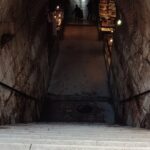
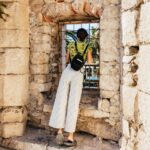
Right after the harbor, you move into the palace substructures known as the cellars. Even in a short visit, the impact is big: these are vaulted rooms tied to the practical side of late antiquity—storage, infrastructure, and the physical engineering that kept the whole fortress running.
The way the tour frames it is useful. You don’t just look up and say, wow. You learn why this kind of vaulted complex is considered among the best preserved of its type, and that makes the spaces feel intentional instead of random.
If you’re visiting Split with limited time, this stop is a strong value add. Many tours rush through the palace highlights; this one gives you a look at the less obvious parts that make the palace feel real.
Stop 2: Peristyle Square and the Emperor’s World
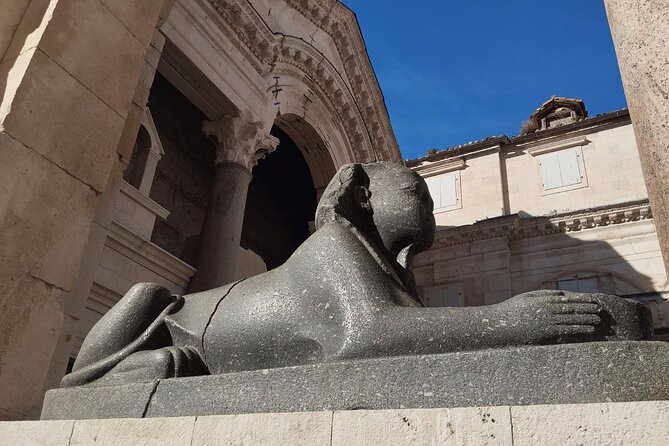
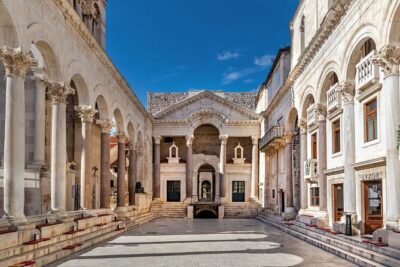
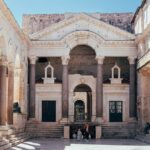
Then you step into the Peristyle, the palace’s central square. This is where you start to feel the scale of the original plan: columns around you, open space ahead, and that specific sense of stepping into a stage set that’s been used for centuries.
The guide connects the architecture to behavior—how authority was performed, how people moved through space, and how the main streets (Cardo and Decumanus) were reshaped as new styles layered onto old foundations. That kind of explanation matters because Split’s old town can feel like a jumble unless someone teaches you how the pieces connect.
You’re there long enough to look around and actually orient yourself. You also get the classic opportunity to compare what you see now to what the palace intended back when it was still functioning as a power center.
A Hidden Ancient Interior Between Buildings (Optional Paid Access)
From the Peristyle area, you visit a beautiful ancient remnant hidden between houses. The tour points out something most people miss on their own: the way the palace’s story can stay tucked away, squeezed into everyday streets and building lines.
There’s also a useful detail for planning: visiting the interior is available for an additional fee. So if you’re the kind of traveler who likes to go deeper, you can spend extra time there. If you’d rather keep moving and save money, you can still get value from the exterior look and explanation.
Either way, this stop breaks up the more famous palace rooms, which keeps the tour from becoming one long repetition of stone arches.
You can also read our reviews of more food & drink experiences in Split


Stop 3: Vestibulum and the Acoustics of Klapa

Next up is the Vestibulum, a circular building with an open ceiling. This is one of those places where architecture turns into experience. The tour highlights how it functions like a lobby to Diocletian’s residential quarters, but the bigger surprise is acoustics.
Here’s the practical takeaway: this space is frequently used for klapa singing—Dalmatian a cappella groups. That’s not just a trivia line. It tells you why the building’s shape and openness matter, and why UNESCO protected singing style matters in real settings, not just on a poster.
If you’re arriving in Split and want one cultural “thread” that ties past to present, this is it. The palace isn’t frozen; it’s still useful.
Stop 4: Triklinij and Roman Dining Reality
From the Vestibulum, you move to the Triklinij, the remains of an emperor’s dining room. The guide brings the space closer by focusing on how Roman dining worked and what they ate—plus how vomitorium function is often misunderstood.
Even if you’ve heard bits about Roman entertainment before, hearing it tied directly to this room helps it click. It’s one of the stops where the explanation changes how you look at the stones, because dining rooms aren’t built like fortresses. They’re built for a particular kind of event, and you feel that.
There’s also a light “carpe diem” message built into the pacing here. It keeps the stop from getting too heavy, and it helps you stay engaged even as you step deeper into ancient detail.
Stop 5: Mausoleum Becomes a Cathedral
One of the strongest moments on the walk is the transformation story: Diocletian’s Mausoleum becoming an impressive cathedral. You’ll also learn about the bell tower’s elegant look on the Dalmatian coast.
This stop is great value because it’s not just “old building, now used differently.” It’s about continuity. You’re seeing how one structure’s purpose shifted as Christianity spread and as political power changed hands.
If you like architecture that has layers you can spot without a degree, you’ll enjoy this. It’s also a nice emotional pivot from the more “imperial” feel of earlier palace rooms.
A Quick Chocolate Stop and a Guinness-Style Moment
At one point on the route, you’ll hear about a small chocolate producer in Split that won a Guinness world record for the biggest slab of chocolate in the world. It’s a short, fun break from Roman and Venetian layers.
This kind of stop is more than a joke. It gives you a taste of present-day Split culture and reminds you that old towns aren’t only about the past. They’re also about local quirks, shops, and stories people repeat.
You don’t need to buy anything to get the value, but you’ll likely be curious enough to check it out afterward.
Stop 6: Golden Gate and the Palace Defense Logic
The Golden Gate stop shifts the mood. Back in Roman times, entering the palace wasn’t easy, and the tour explains why the monumental gate and surrounding walls mattered for defense.
You’ll also see the best preserved wall of the palace, which is a key point. This is one of those things you might walk past without noticing if you were going solo, because it looks like part of the scenery rather than a main character.
Getting the defense context makes the gate feel bigger than it is in size. It’s about control, entry, and how security was built into the place.
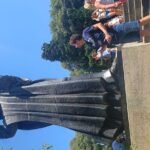
Stop 7: Grgur Ninski Statue and the Golden Toe Legend
Then you hit a famous photo stop: the Gregory of Nin statue. The tour encourages you to look closely because the artist, Ivan Meštrović, is recognized as one of the world’s best sculptors.
And yes, there’s a legend connected to the statue: if you touch the golden toe, your wish will come true. People do this for fun, and the tour makes it an easy, quick moment before you move back to streets and squares.
Even if you’re not superstitious, this is worth doing once. It’s a light human break during a history-heavy walk, and it gives you a real landmark to remember Split by.
Stop 8: Pjaca Square and the Changing Name Story
From the statue area, you walk to Pjaca, today’s main square of the old town. The tour notes that the square changed names several times through its history, and that detail helps you understand the constant political and cultural shifts happening in the space.
In practice, this stop is also about pacing. Squares are where you can pause, breathe, and look at the layered architecture without having to constantly step around doorways and narrow lanes.
If you like people-watching, you’ll get it here. Even on a planned route, squares tend to feel more open and less “corridor-like” than the palace streets.
Stop 9: Fruit’s Square (Trg Brace Radic) and Baroque Split
The final old-town square stop is Fruit’s Square, also known as Trg Brace Radic. This is where the tour points out a strong baroque presence and adds story about how the Venetian Republic protected Split from Ottoman attacks.
You’ll also hear about Marko Marulić, described here as the father of Croatian literature. That’s a helpful reminder that Split’s identity isn’t only Roman or Venetian; it’s also tied to Croatian cultural figures who lived later and shaped language and literature.
This stop is a good “wrap” before you leave the historic zone and head toward the beer bar. It also gives you one last shot of architecture before you shift into a more relaxed social setting.
Leopolds Craft Beer Bar: Your Beer Stop (And What It Means for Cost)
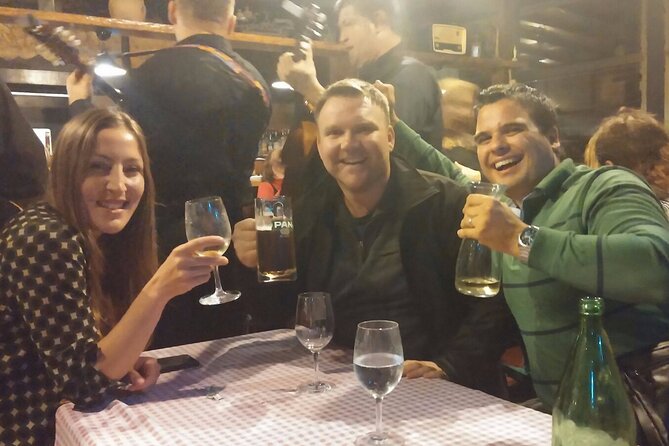
The tour ends at Leopolds Craft Beer Bar, Dosud ul 5. You get about 30 minutes at the brewery area, with beer and other drinks not included in the tour price.
So what’s the value here? You’re not just going to a random bar. You’re getting a guided intro that sets you up to understand what makes a craft place different, and then you have time to order what you actually want.
If you’re watching your budget, this is where you can control spending. If you love beer, you can order a few tasters. If you just want one drink, you can keep it simple.
This ending time also works well for the evening. You’re done with the heavier walking, and you still have enough time after the tour to explore on your own if you want.
Price, Time, and Group Size: Is It Worth $30.04?
At $30.04 per person for about 2 hours, this tour is priced like a focused evening experience rather than a half-day event. You’re paying for a professional licensed guide, plus guided sightseeing of Diocletian’s Palace as a UNESCO World Heritage site.
Because most palace entrances you pass are free (based on how the stops are framed), your money mostly goes toward interpretation. That’s often where guided tours earn their keep, especially in a place like Split where centuries overlap visually.
The small-group size, capped at eight travelers, is also part of the value. It tends to mean the guide can adjust pace, answer questions, and keep the group from stretching out too far in narrow areas.
If beer drink cost matters to you, just plan for it. The walking and palace education are included; the tasting is an order-at-the-bar moment.
Who This Tour Suits Best
This is a great fit if you want:
- A guided walk through Diocletian’s Palace without feeling overwhelmed
- A smooth mix of Roman structures and later cultural layers
- A small group experience with time for questions
- A relaxed brewery finish where you can order at your own pace
It may not be ideal if you hate walking and standing for extended periods. The route is old town heavy and you’ll be on your feet through multiple stops. On the other hand, the tour notes that most travelers can participate, so it’s not marketed as a extreme hike.
Should You Book This Split Old Town + Beer Walk?
If you’re visiting Split for the first time and you want the palace experience to click, this tour is a strong choice. I like that it’s time-smart: you get major UNESCO sights, some lesser-noticed spaces, and then a real craft beer bar finish.
Book it if you’ll enjoy a guided storyline and you like the idea of ending with a drink you choose yourself. Skip it only if you want beer costs to be fully bundled into the price or you prefer free-choice sightseeing with no set route.