REVIEW · SPLIT
Diocletian Palace in Split and Trogir Private Heritage Tour
Book on Viator →Operated by CROATIA PRIVATE TOURS · Bookable on Viator
Split’s stone walls have a way of grabbing you. This private heritage tour strings together Diocletian’s Palace in Split and Trogir’s UNESCO historic center in one comfortable day, with an English-speaking guide to connect the dots from Roman rule to life today.
I like that you get close to the big-ticket sights without the hassle of lining up or sorting details. I also like the human touch: the tour feels adjustable for different groups, and guides such as Henry (tailoring it for a family of four with kids) and Jelena (thorough, upbeat explanations) set the tone. The one drawback to plan for: some optional entry fees can add up, like the Substructures and certain cathedral/temple stops.
In This Review
- Quick hits you’ll actually care about
- Why combining Diocletian’s Palace and Trogir works so well
- Getting around Split and Trogir in comfort (and with less stress)
- Entering Diocletian’s Palace: what to focus on for a first-time visit
- The Peristyle: the late Roman centerpiece you should not rush
- Split and Salona context: how the story ties together
- Trogir historic center: walking time well spent
- Optional church and temple extras: how to decide without overpaying
- The best part is the guide energy: Henry and Jelena as examples
- Price and value: is $309.89 per person a good deal?
- Who this tour fits best (and who should rethink)
- Should you book this Diocletian’s Palace and Trogir private tour?
- FAQ
- How long is the private heritage tour?
- What does the price include?
- Are entrance fees included?
- Is lunch included?
- What language is the tour in?
- Is it refundable if plans change?
Quick hits you’ll actually care about
- Private, English-led sightseeing with a local licensed guide for Split/Diocletian’s Palace focus
- Air-conditioned vehicle with Wi‑Fi for the Split–Trogir travel leg
- Two UNESCO stops in one day: Diocletian’s Palace and Trogir’s historic center
- Free admission for the main palace visit and Trogir center (but some extras cost extra)
- Guiding that works for families and history fans, with examples including Henry and Jelena
Why combining Diocletian’s Palace and Trogir works so well
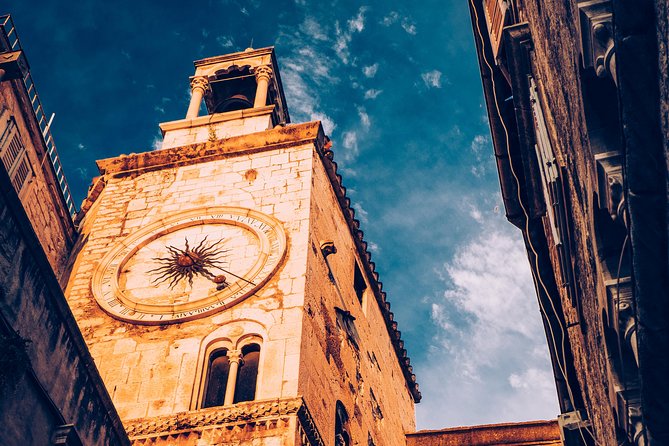
If you only have a short window in Croatia, this is one of those days that uses your time smart. Split gives you the Roman spine of the story through Diocletian’s Palace, while Trogir shifts you into a medieval waterfront-era town where the streets feel like you’re walking through layers rather than one single moment.
What makes the plan feel efficient is the pace: you’re not trying to sprint. The tour allocates time that matches how these places function. Diocletian’s Palace needs time to understand the layout, and Trogir benefits from a guided walk where you can slow down at key corners.
A small consideration: this is history-first. If you’re expecting mostly beach time or long free-roam shopping, you may find the schedule a bit structured. Still, it’s a great fit if you like learning as you see.
You can also read our reviews of more private tours in Split



Getting around Split and Trogir in comfort (and with less stress)
The ride matters more than you’d think in this part of the Adriatic. You’ll travel by air-conditioned vehicle, and it’s equipped with Wi‑Fi, which helps if you want to look up streets, maps, or photos while en route.
Because it’s private, pickup and drop-off are handled around your group. You’ll be picked up and dropped off from Split and outside downtown Split, and you’ll need to share your exact pickup spot after confirmation so the driver can find you easily.
This kind of door-to-door convenience is the real value of a private tour. You’re not piecing together bus routes, guessing transfer times, or losing the start of your sightseeing day to logistics. Instead, you start in the right place and keep the day moving.
Entering Diocletian’s Palace: what to focus on for a first-time visit
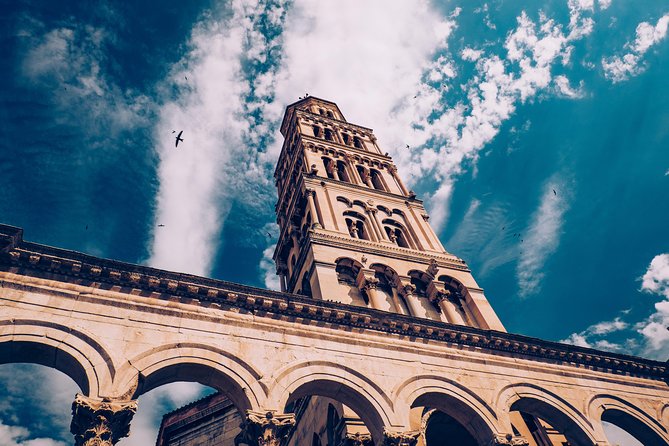
Diocletian’s Palace isn’t a normal “old building” experience. It’s a whole world: walls, corridors, and major spaces built for one emperor, then repurposed by generations after him. On this tour, the main palace visit is allocated about two hours, and the admission ticket for that core visit is free.
I like how this time block gives you room to do more than just take photos. With a licensed local guide leading you through the big elements, you get the kind of orientation that makes the palace make sense. You’ll also hear the story in a way that connects Roman planning to what you see now in Split.
One practical note: not all palace-related areas are included at no cost. If you’re the type who likes to see every possible layer, you should decide in advance whether the extra paid stops are worth it for your group.
The Peristyle: the late Roman centerpiece you should not rush
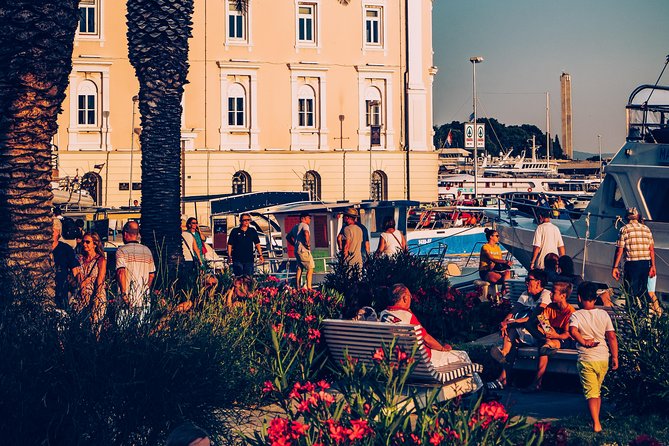
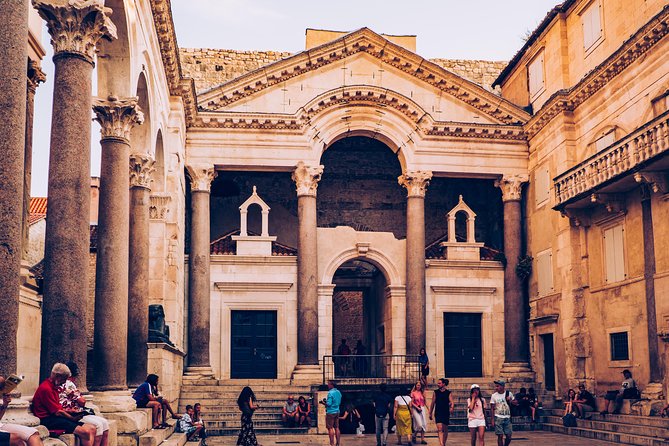
The Peristyle is where the palace starts to feel like a functioning architectural machine. It’s ordered to be built by Roman Emperor Diocletian and is recognized as a top UNESCO World Heritage feature, with one of the best-preserved late ancient architecture settings in the world.
You get about one hour here. That’s a good amount of time because the Peristyle isn’t just “see it, done.” The space has symmetry and scale, and those qualities only click when you pause and look around. A guide also helps you understand what you’re seeing without turning the experience into a lecture.
Consider this as your anchor moment. If you rush, you’ll miss why people get genuinely excited about the details. If you slow down (and use the guide’s explanations), you’ll come away with a better mental map of the palace.
Split and Salona context: how the story ties together
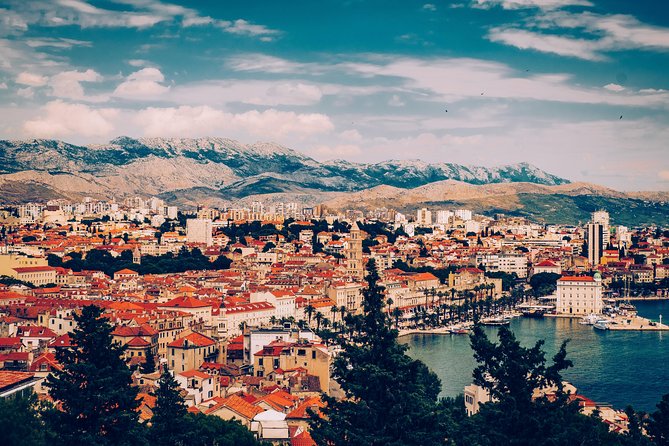
Even though Diocletian’s Palace is the headline, Split’s broader setting is part of what you should be trying to understand. The tour includes history of the Split area and Salona in the narrative, so you’re not just collecting landmarks—you’re learning how the region’s past shaped what became Split.
This matters because the palace doesn’t exist in a vacuum. Understanding the relationship between the palace and the surrounding Roman world makes the streets feel less random. Instead of guessing why certain spaces exist where they do, you get a framework for interpretation.
If you like history, this is where you’ll feel your guide earn their keep. A good explanation turns “ancient stones” into a coherent story you can repeat to friends later.
If you dislike talking while walking, you may want to mentally switch into listener mode. Otherwise, you’ll be watching the guide instead of watching the buildings.
You can also read our reviews of more historical tours in Split





Trogir historic center: walking time well spent
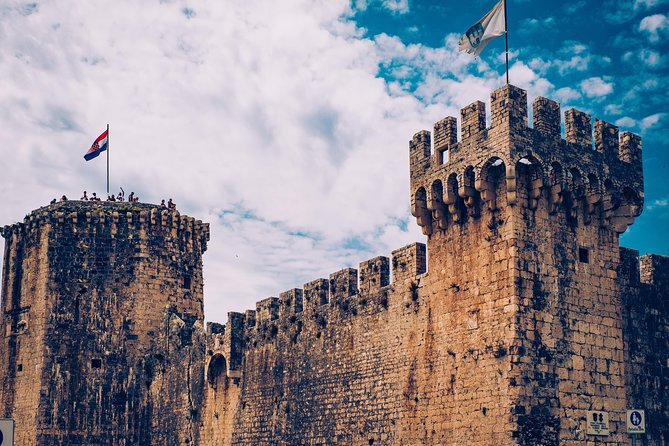
Then you shift gears to Trogir, another UNESCO-listed town where the historic core is a joy to walk. You’ll spend about two hours here, and the main historic center admission is free for the visit portion included in the plan.
Trogir’s value is how it feels: compact, walkable, and full of architectural clues that reward slow looking. With a private guide, you’re not just passing by. You can pause at the key spots and get the “what is this and why does it matter” answer on the spot.
A drawback to keep in mind: two hours can move quickly in a place this walkable. If your group tends to stop for every photo, you might want to adopt a strategy: pick a few must-see corners, and let the rest be “good enough” so you don’t run out of time.
Optional church and temple extras: how to decide without overpaying
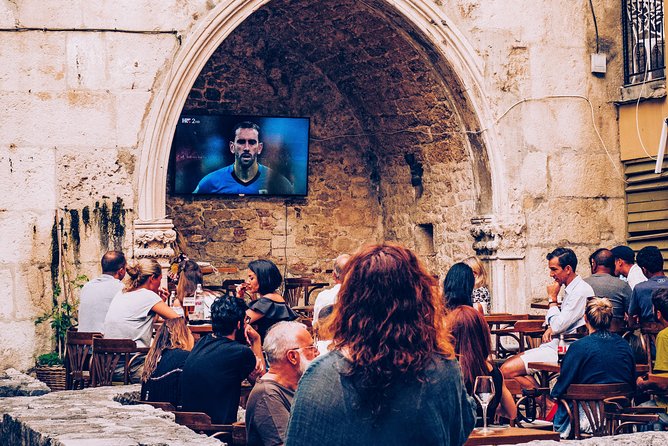
Some of the most interesting add-ons cost extra, so it’s smart to think about what you genuinely want.
You may encounter extra fees for:
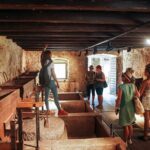
- Substructures of Diocletian’s Palace: €5.00 per person
- Mausoleum & Jupiter’s temple: optional, €5.00 per person
- St Lawrence’s Cathedral: optional, €5.00 per person
Here’s a practical way to decide. If you’re the type who loves interior details and symbolic meaning, the optional stops may be worth it. If you’re more of a big-picture visitor—structures, layout, views—then you can stick to the included highlights and keep costs under control.
Also, because the tour is private, you can usually make choices based on the group’s mood that day. Just be ready to pay if you opt into the extras.
The best part is the guide energy: Henry and Jelena as examples
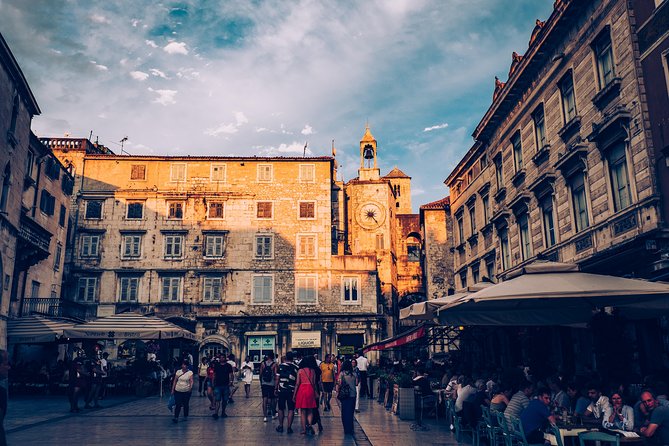
What consistently makes this tour work is guide quality. In the examples from past groups, Henry tailored the day for a family of four, including 5 and 7-year-old kids, which is no small feat in a palace town where attention spans can wander. Jelena brought enthusiasm and a thorough overview of Split and Croatian culture, which is the kind of guiding that helps first-timers understand what they’re looking at.
If you’re booking a private tour, you’re really paying for that: not just facts, but clarity and pacing. When a guide can explain the Roman layout in a way that feels approachable, you’ll enjoy the walk far more.
A helpful sign to watch for (even before the day starts): do they give you a sense of what’s coming next? That’s what prevents the palace from turning into random corridors.
Price and value: is $309.89 per person a good deal?
At $309.89 per person, you’re paying for a private, guided day with transportation and professional local leadership—not a casual self-guided walk. For me, the value comes from three buckets:
1) Private logistics: air-conditioned vehicle, round-trip transfer, and pickup/drop-off around Split.
2) Real guiding time: a local licensed guide for the palace and Split downtown focus, plus the structure to keep the day flowing.
3) UNESCO impact: Diocletian’s Palace plus Trogir’s UNESCO historic center, with core admission listed as free for those main stops.
You do have extra costs possible through optional paid sights (those €5 items). But you can control that. If you treat the included stops as the main plan, you won’t feel “nickel-and-dimed.”
If you’re traveling as a couple or small family, private tours often feel pricey until you price out the time and hassle you avoid. Here, the schedule is tight enough that the “no headaches” part matters.
Who this tour fits best (and who should rethink)
This private tour is a strong match if you:
- want UNESCO highlights without managing tickets and timing yourself
- like history that connects buildings to the wider story of the region
- have limited time and want a day that covers Split and Trogir
- appreciate guides who can adapt for kids, like the Henry family example
It may be less ideal if you:
- want mostly free time and minimal explanation
- dislike structured walking schedules
- only care about one monument and would rather skip Trogir
Dress code is listed as smart casual, so plan to look decent and feel comfortable enough for walking inside historic areas.
Should you book this Diocletian’s Palace and Trogir private tour?
I’d book it if you want a well-paced private day that hits two UNESCO anchors with a guide who explains what you’re seeing. The combination of private transport, licensed guidance, and the chance to make sense of both Roman Split and medieval Trogir is the winning formula here.
Book it sooner rather than later if your dates are flexible only within a narrow window, since this tour is commonly reserved well ahead. And if your group has strong preferences, decide before you go which optional paid sights you’d actually enjoy, so the day stays smooth.
FAQ
How long is the private heritage tour?
The tour runs about 4 to 6 hours.
What does the price include?
It includes air-conditioned transportation, a private tour with an English-speaking driver, a local licensed guide for Diocletian’s Palace and Split downtown, and round-trip private transfer.
Are entrance fees included?
For the main highlights, Diocletian’s Palace and Trogir’s historic center are listed as Admission Ticket Free. Optional paid sites include Substructures (€5 per person), Mausoleum & Jupiter’s temple (€5 per person), and St Lawrence’s Cathedral (€5 per person).
Is lunch included?
Lunch is not included. You’ll have stops at local restaurants where you can buy lunch at your own expense.
What language is the tour in?
The tour is offered in English.
Is it refundable if plans change?
No. This experience is non-refundable and cannot be changed for any reason.