REVIEW · SPLIT
Experience Split History Walking Tour With Local Historian
Book on GetYourGuide →Operated by Pomalo · Bookable on GetYourGuide
Split history fits in two hours. This walking tour takes you through Diocletian’s Palace like it is still an address, not a ruin, using stories that connect Roman power to how people live in Split today.
I especially love the small group setup (up to 12). It makes the tour feel like a conversation, not a lecture. I also like the See, Hear and Feel approach, where the guide points out what you might otherwise miss, then backs it up with 3D reconstruction images so you can understand the palace layout even when parts are hard to visualize.
One possible consideration: this is a walking tour on stone streets and inside uneven palace areas, so it is not a good fit for wheelchairs or people with mobility impairments.
In This Review
- Key highlights I’d plan around
- Why Diocletian’s Palace feels different on foot
- Golden Gate orientation and the Gregory of Nin moment
- Entering the palace: Peristil and the main square rhythm
- Jupiter’s Temple and the palace’s sacred edges
- Cathedral of Saint Domnius: where Roman and later Split overlap
- Vestibule and Triclinium: the palace spaces that shape the story
- Diocletian’s Cellars: understanding the palace from below
- Riva promenade: the Roman-to-medieval connection you can feel
- Fruit Square and People’s Square: medieval corners with a twist
- Narrow streets, lost sphinx head, and the secret garden
- How much time you’ll actually be walking
- Price and value: is $37 a fair deal?
- Who this tour fits best
- A few practical tips so you enjoy the full 2 hours
- Should you book this Split History Walking Tour?
- FAQ
- Where does the tour start and where does it end?
- How long is the Split history walking tour?
- What’s included in the price?
- Is food or drinks included?
- What languages are offered?
- Is it suitable for wheelchair users or people with mobility impairments?
Key highlights I’d plan around
- Golden Gate start at the northern gate, with orientation right away on Gregory of Nin’s area
- Peristil (main palace square) explained with its monumental surroundings, plus the palace rhythms around it
- See inside the palace system, including Jupiter’s Temple, the Cathedral of Saint Domnius, and the Vestibule
- Diocletian’s Cellars and other palace spaces put into context with the help of 3D reconstructions
- Two medieval squares you can’t fully appreciate from a quick look: Fruit Square and People’s Square
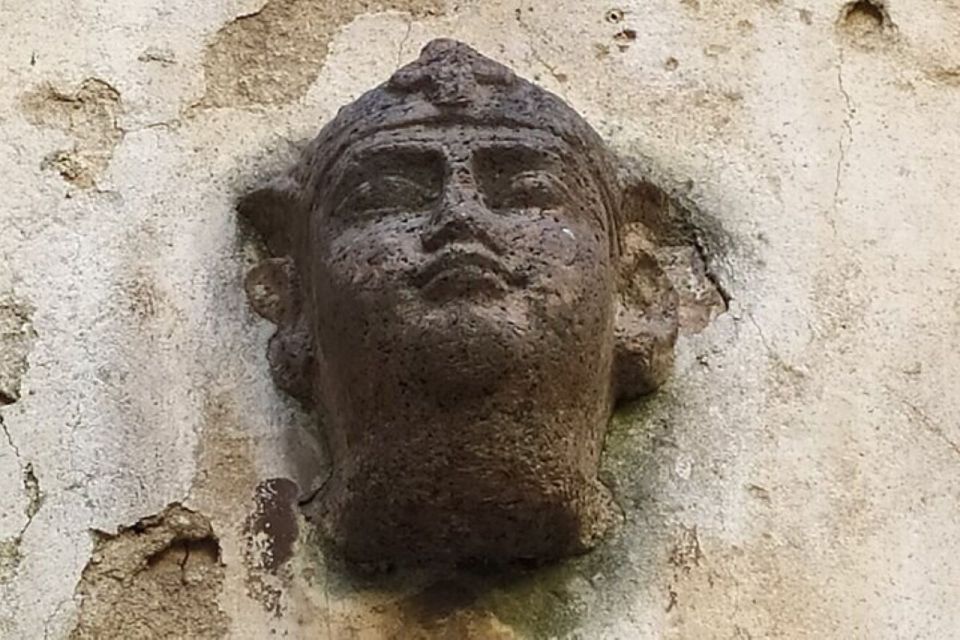
- Short secret stops that trade big speeches for quick, memorable details (narrow church, narrow street, lost sphinx head, secret garden)
Why Diocletian’s Palace feels different on foot
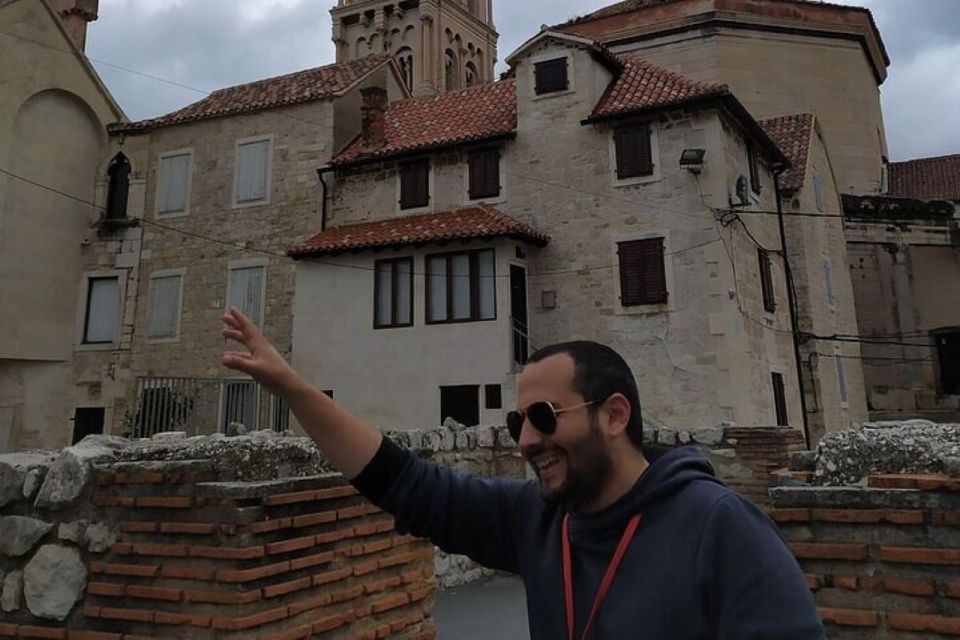
Split’s biggest attraction is also its trickiest one to understand. Diocletian’s Palace is UNESCO-listed and jaw-dropping, but on your own it can turn into a maze of stone, arches, and names you forget five minutes later.
This tour solves that problem with timing and structure. You start at Golden Gate, learn what it meant in the Roman plan, then you move inward to the main palace spaces where you can actually see how the emperor’s world was organized. The guide keeps returning to the same idea: this is not just a museum. It is a live historical monument, with everyday movement all around you.
What makes the tour work well for me is the balance between big-picture history and small street-level details. You get the emperors and the architecture, yes. But you also get local context, including how Split’s community and daily life grew around this Roman shell.
You can also read our reviews of more walking tours in Split

Golden Gate orientation and the Gregory of Nin moment

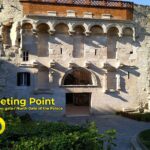
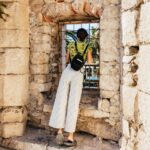
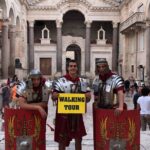
Your meeting point is Golden Gate, the northern gate of Diocletian’s Palace, opposite the eight-meter-high statue of Gregory of Nin. You’ll spend about 15 minutes here, and that early time matters.
First, you learn how to read the gate as part of the palace design. The guide explains its name, purpose, and importance before you even step inside. That means when the palace opens around you, you already know what direction you are looking at and why this spot was made to matter.
Then comes the Gregory of Nin area, with an 8-minute stop focused on who he is and why he matters in Split. If you’ve seen the statue from a distance, you’ll still be able to enjoy it as a landmark. But on this tour, it becomes a reference point for understanding the city’s later layers on top of the Roman core.
Entering the palace: Peristil and the main square rhythm
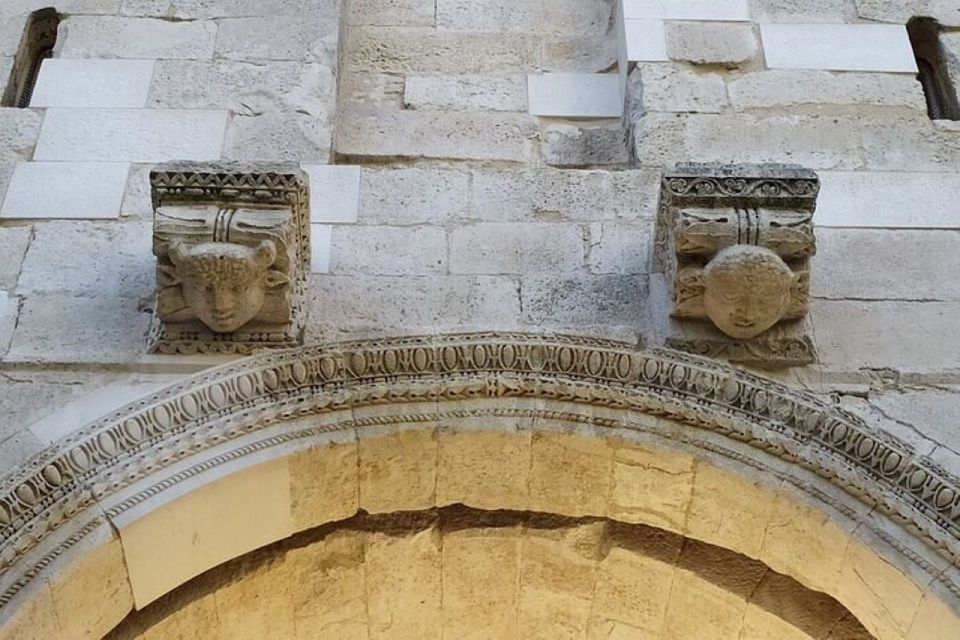
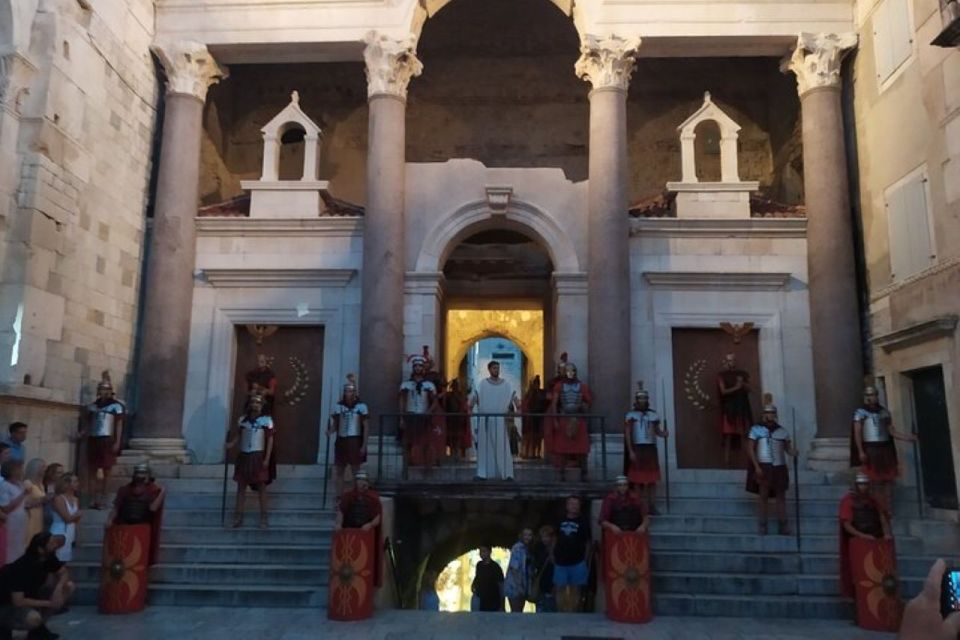
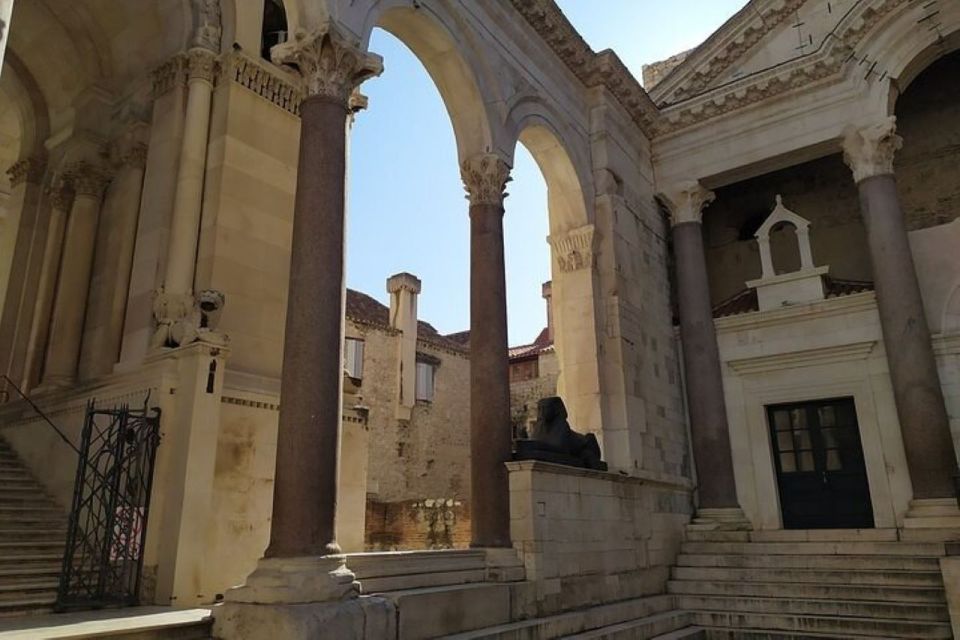
Once you’re inside Diocletian’s Palace, you quickly hit the core spaces. A key stop is Peristil, the main palace square. You’ll spend around 15 minutes there, and this is where the tour’s See, Hear and Feel method starts to click.
The guide focuses on the way Peristil works as a center: a place where movement concentrates, where views line up, and where the monumental surrounding structures tell you what kind of power lived here. You’re not only looking at stone columns and arches. You’re learning what those spaces were meant to do in daily palace life.
I like how the explanation stays tied to what you can see in front of you. Instead of forcing memorization, it gives you a map in your head. Once you understand Peristil as a hub, the palace stops feel less random.
Jupiter’s Temple and the palace’s sacred edges
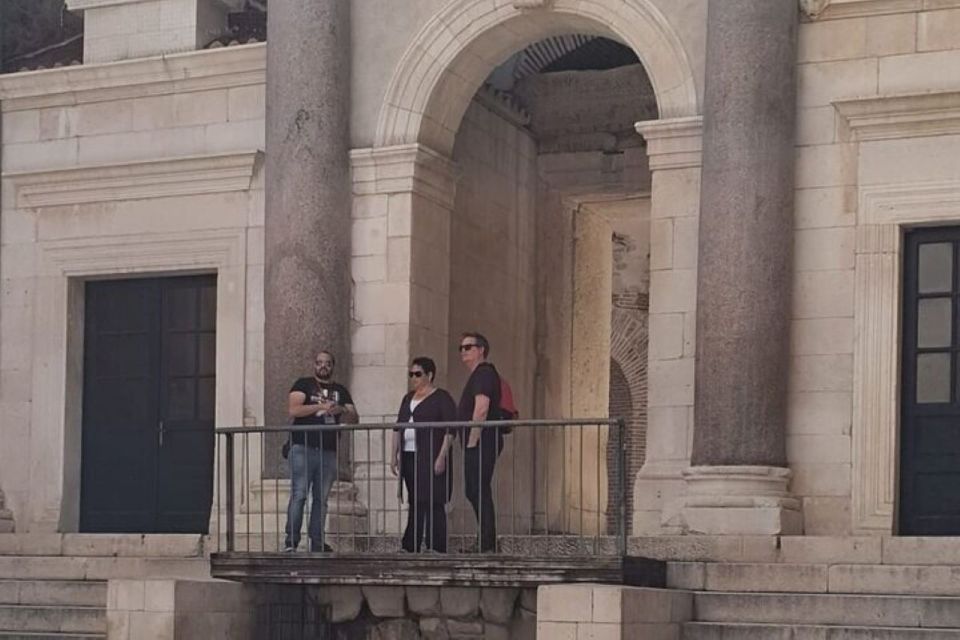
From Peristil, the tour moves to Jupiter’s Temple for about 10 minutes. This is one of those stops where your eyes catch the obvious shape, but your mind needs the context.
The guide connects this temple area to the wider Roman story inside the palace walls. You’ll learn what it was for and how it fits into the emperor’s world. Even if you are not a classic architecture person, you’ll leave with a clearer sense of what parts of the palace were designed for authority, worship, and ceremony.
Cathedral of Saint Domnius: where Roman and later Split overlap
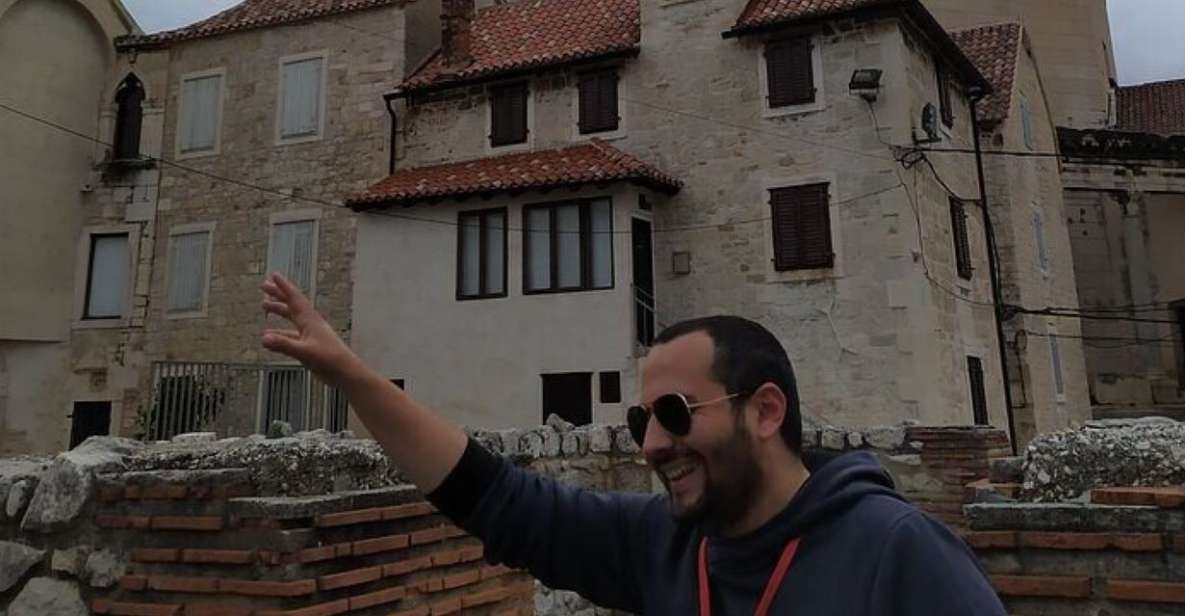
Next comes the Cathedral of Saint Domnius, around 10 minutes. This is a meaningful stop because it shows how Split’s story kept changing instead of freezing in one era.
The guide points out how the palace system was adapted over time, and how a later religious center took shape in the same complex. You’ll get the kind of explanation that helps you understand why these stones feel both Roman and not entirely Roman anymore.
For me, this is where the tour avoids becoming a list of monuments. You start thinking in layers: Roman planning, medieval additions, modern understanding, and the present-day city life that still flows through the same space.
You can also read our reviews of more historical tours in Split





Vestibule and Triclinium: the palace spaces that shape the story
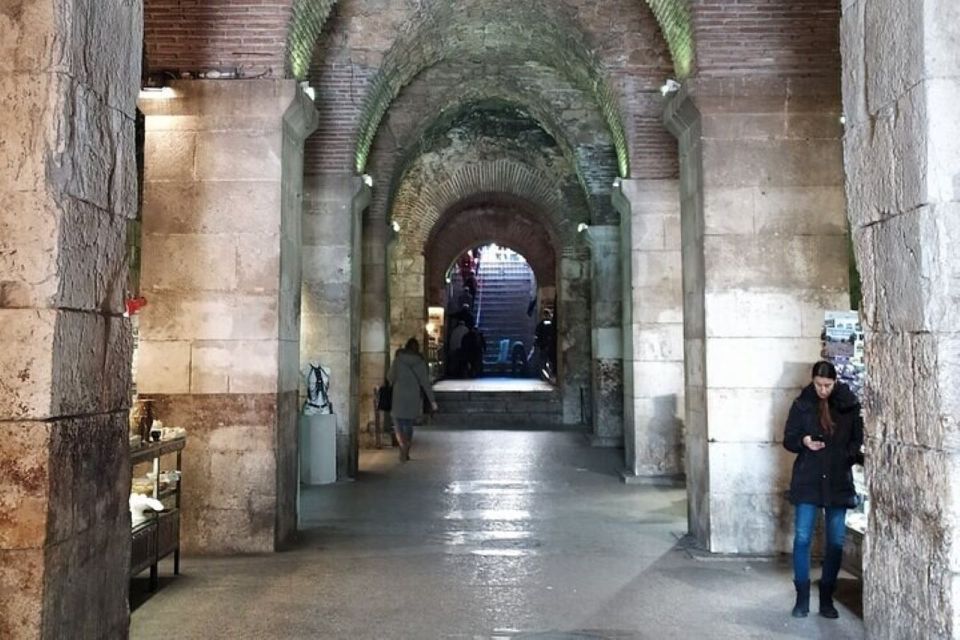
You’ll spend about 10 minutes at the Vestibule. Then you’ll hear about important palace areas that round out the experience, including spaces like the Triclinium and other central features of the palace’s internal layout.
Here’s where the tour’s 3D reconstruction images and display book are a big deal. Some palace rooms and structural relationships are hard to picture from ground level, especially if you don’t have a guide narrating what you are meant to notice. With the reconstructions, you can connect the visible remains to the layout you are hearing about.
The result is that you don’t just walk past things. You build a mental model as you go, which makes the palace feel coherent instead of chaotic.
Diocletian’s Cellars: understanding the palace from below
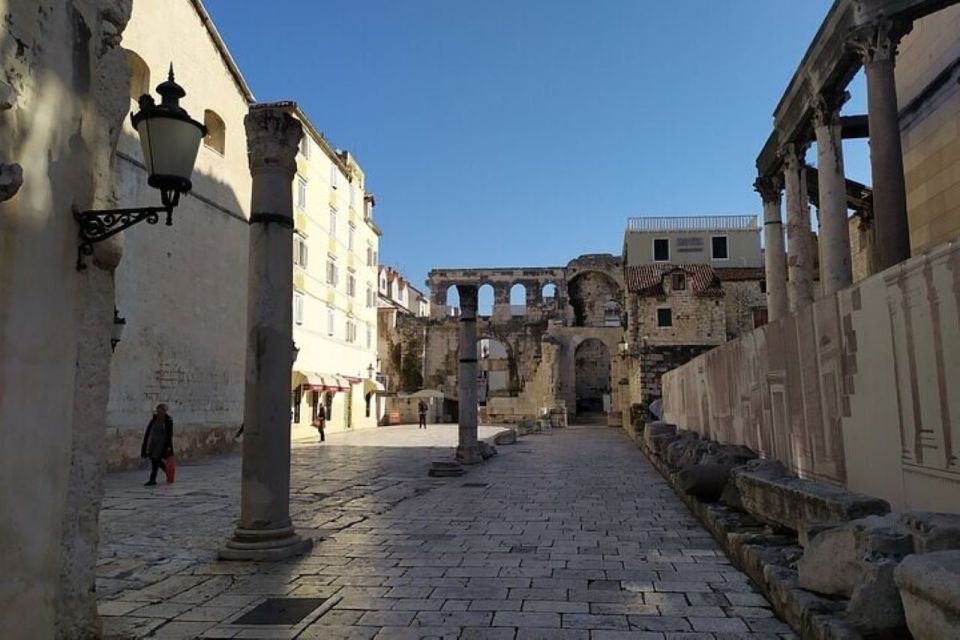
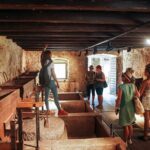
One of the most useful stops is Diocletian’s Cellars, about 10 minutes. It’s the kind of area that can be easy to skip if you only focus on the big square.
This stop adds a different viewpoint. You learn how the palace system worked beneath the main levels, and the guide uses the palace layout story to make the understructure make sense. If you’ve ever visited ruins and felt like you saw everything at eye level but missed how the place functioned, this is the moment that fixes that.
If the guide you get is Boris, you’ll likely appreciate how he explains details clearly and answers questions without rushing you. In past tours, he has been praised for both depth and friendly Q&A, which is exactly what you want when you’re trying to picture how ancient infrastructure served real life.
Riva promenade: the Roman-to-medieval connection you can feel
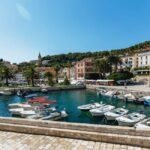
After the palace interiors, you step out into Riva promenade for about 5 minutes. This part is short on purpose: it’s a reset, a way to connect the Roman site to the modern waterfront life.
The guide explains the connection between the Roman and medieval periods through the way the city sits and moves. It helps you understand that Split’s story is not confined behind palace walls. The city grew outward, but it still carries the shape of its beginnings.
If you’re someone who likes your history tied to real streets you can walk later, don’t treat this as an afterthought. The Roman core matters less if you can’t connect it to where people actually hang out.
Fruit Square and People’s Square: medieval corners with a twist
Two stops anchor the later story: Fruit Square (about 10 minutes) and People’s Square (about 10 minutes).
I like that the tour doesn’t treat these as generic public spaces. The guide explains the secrets they hide in their architecture and in the happenings that played out there through the centuries. This helps you read the squares as stage sets for civic life, not just open areas for photos.
Fruit Square and People’s Square are a good reminder that Split’s identity did not end with Roman rule. Medieval life reworked the urban fabric, and those squares keep telling that story if you know what to look for.
Also, finishing around Narodni trg gives you a natural transition point to keep exploring on your own.
Narrow streets, lost sphinx head, and the secret garden
Toward the middle and end, you’ll hit quick secret stops that are designed for imagination. Expect stops that can include a narrow church, a narrow street, a lost sphinx head, and a secret garden, with very short time windows (one stop is listed at around 2 minutes, another at about 5 minutes).
These are not the places where you spend 20 minutes soaking in facts. They’re micro-moments: a detail a guide knows you would likely miss, and a story that makes the place feel weird in a good way. They also keep the pace from becoming repetitive as you move from one major monument to another.
My advice: don’t try to take everything in with your eyes alone. Listen for what the guide points out. On this kind of tour, the “hidden” detail is usually a clue to the bigger story you’re learning.
How much time you’ll actually be walking
The tour is listed as 2 hours, with stops adding up to a packed loop. Realistically, you’ll be moving through compact areas inside Diocletian’s Palace and then into the nearby city center.
Because the pace is structured, you won’t feel lost. But you should still plan for a decent amount of walking on stone surfaces. Comfortable shoes are not optional, especially in warm weather. The tour guide suggests water or a hat/cap on sunny days, which is smart for an outdoor half-day plan.
Price and value: is $37 a fair deal?
At $37 per person for a 2-hour tour, you’re paying for three things: (1) a licensed local historian with a master’s degree in history, (2) a small group size capped at 12, and (3) the added teaching tools like 3D reconstructions.
If you usually find walking tours hit the “too broad, too quick” wall, this one is priced like a focused experience. The small group matters because you can ask questions without waiting. The historian element matters because the palace isn’t explained as random trivia. You get the connections that make the palace understandable.
Also, you get skip-the-ticket-line service listed as part of the experience, which helps you spend more time learning and less time stuck in queue mode.
This is not a food tour. There are no included meals or drinks. So if you’re building your day, plan a snack or gelato afterward, and use the guide’s recommendations as a bonus.
Who this tour fits best
This is a great pick if you:
- Want Diocletian’s Palace explained in a way you can actually follow in real time
- Like history that connects architecture to daily life, not just dates and rulers
- Prefer smaller groups and a guide who answers questions
It’s not a great pick if you need wheelchair access or have mobility limits, since it is not suitable for wheelchair users and it involves walking through uneven areas.
A few practical tips so you enjoy the full 2 hours
- Bring comfortable shoes and plan for stone surfaces.
- On hot days, bring water and consider a hat/cap.
- Wear something you can move in. This tour is structured, but you still walk between many stops.
- If you’re curious about details, you’ll benefit from asking questions early. Past tours with Boris were noted for being open and responsive, and that kind of give-and-take is where a palace tour gets fun.
Should you book this Split History Walking Tour?
If you want to understand Diocletian’s Palace instead of just sightseeing it, I think this tour is worth your time. The combination of Golden Gate orientation, Peristil as a core anchor, cathedral and temple context, Cellars for the understructure story, and then the medieval squares gives you a strong arc in just 2 hours.
I’d book it if you’re the type who likes to walk away with a clearer mental map and a few stories you can repeat later. Skip it only if you strongly prefer independent wandering with no guide structure, or if your mobility needs are incompatible with a stone walking route.
FAQ
Where does the tour start and where does it end?
It starts at Golden Gate, the northern gate of Diocletian’s Palace, and it finishes at Narodni trg.
How long is the Split history walking tour?
The tour lasts 2 hours.
What’s included in the price?
Included are a local professional guide with a master’s degree in history and 3D reconstruction images and pictures via a display book.
Is food or drinks included?
No. Food and drinks are not included.
What languages are offered?
The live guide offers English and Croatian.
Is it suitable for wheelchair users or people with mobility impairments?
No. It is not suitable for people with mobility impairments and wheelchair users.